



Industry Update: Valve Body Manufacturing Focus Shifts to Reliability and Traceability
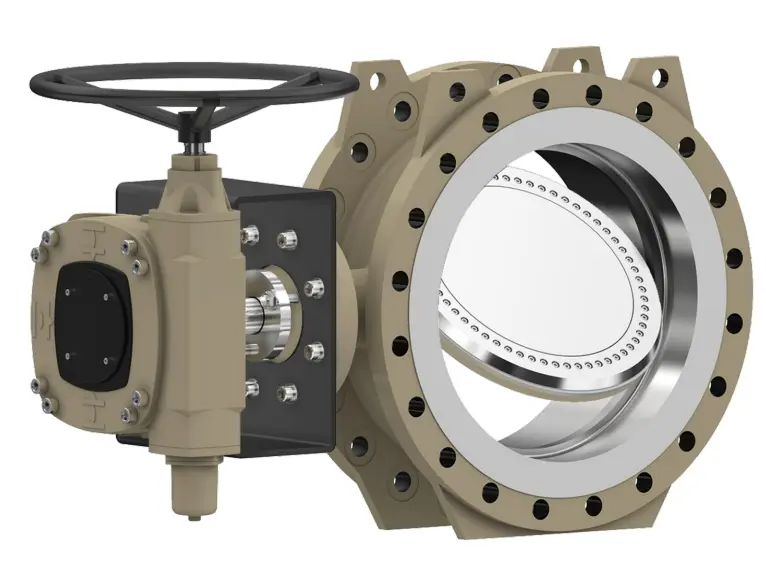
In the last year, procurement teams across oil & gas, chemical, and power plants have tightened specifications for the valve body at the heart of isolation and control assemblies. A high-integrity valve body is no longer judged only by alloy and weight; buyers now ask for certified heat treatment, documented NDE, and tighter machining of gasket interfaces. As a result, the valve body has become a strategic component that directly affects mean time between failure and fugitive-emissions performance.
At Yining Machinery we see two practical trends. First, the valve body is increasingly ordered with dual material options—carbon steel A105 or stainless grades such as 304L/316L/CF8M—to match media and temperature. Second, every valve body batch moves with end-to-end traceability: mill certs, PMI photos, hardness records, and heat-number mapping.
Standards that really matter for the valve body
Compliance now centers on API 6D/608 for flow and pressure integrity and ASME B16.34 for design. For corrosive service, a valve body destined for sour environments should meet NACE MR0175/ISO 15156 and specify impact properties at the actual minimum metal temperature. Pressure class must be defined alongside the test regime—hydrostatic shell tests on each valve body plus seat leakage by API 598.
Precision machining and sealing faces
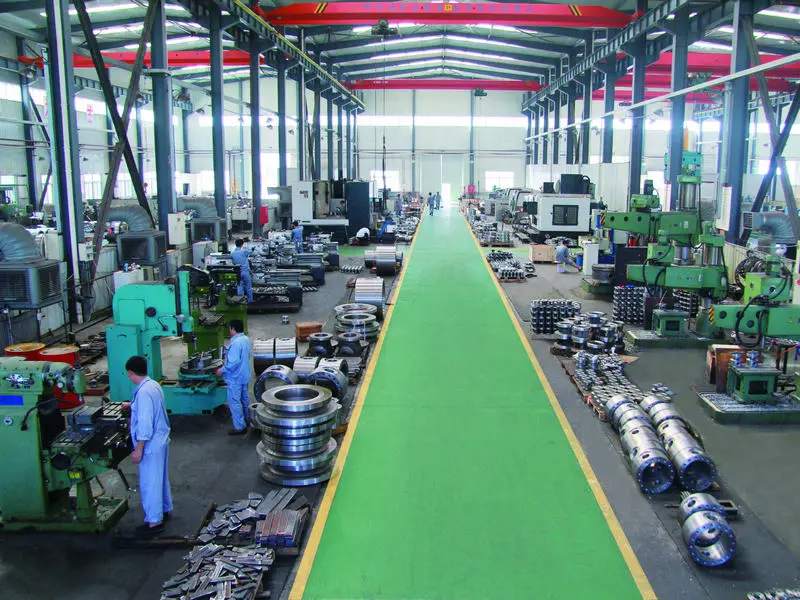
Leak paths often start at the gasket joint. A stable valve body requires flatness and surface finish on raised-face or RTJ grooves controlled within drawing limits. Typical targets we machine are ≤0.05 mm flatness across the bonnet pad and Ra 1.6–3.2 μm on sealing faces, depending on gasket type. Concentricity of the bore to the stem axis is verified so that the valve body does not introduce side loading on the stem and packing.
Quality verification moves upstream
Ultrasonic testing on the valve body casting or forging screens for shrinkage, laminations, and inclusions; magnetic particle or dye penetrant checks target stress concentrators near boss transitions. Dimensional inspection is recorded in a control plan, and every valve body ships with hydrotest and air-seat test results, including pressure, duration, and acceptance class.
Corrosion and surface protection
For offshore and chemical plants, the valve body often receives shot-blasting to Sa 2.5, followed by zinc-rich primer or customer-specified epoxy. Stainless options remove coating but rely on correct delta-ferrite control and passivation to keep the valve body clean and resistant to pitting.
Case example: reducing downtime
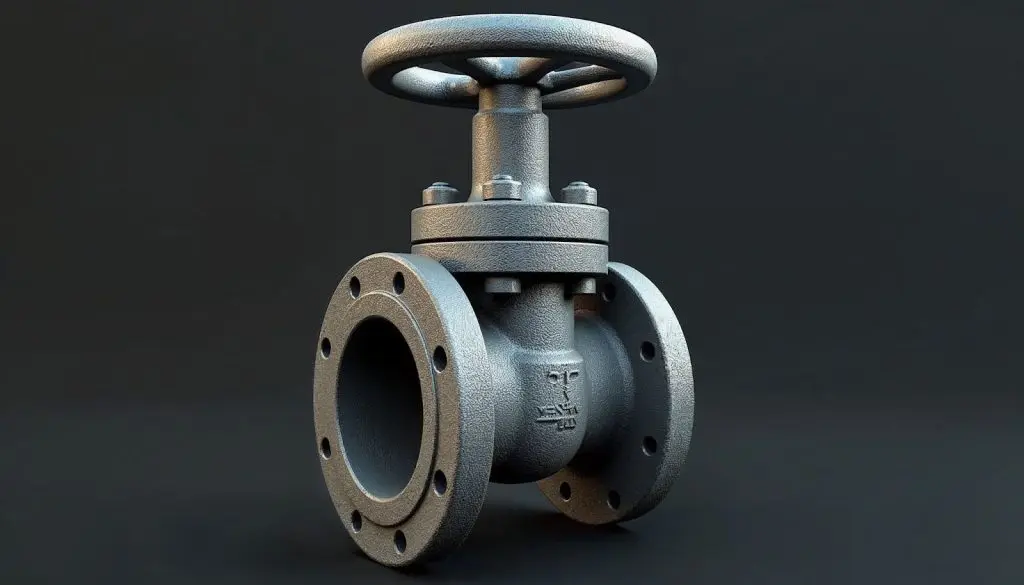
A German customer replaced a legacy gate valve where the valve body suffered repeated gasket leaks after thermal cycling. We supplied a redesigned valve body with a thicker bonnet pad, revised bolt circle, and a controlled facing finish. After 12 months in 180 °C service, leak checks showed zero weepage and the valve body remained within flatness limits after disassembly.
What to specify when ordering a valve body
For consistent results, include the following in your valve body RFQ:
-
Material grade and heat-treatment state for the valve body (e.g., A105+N, CF8M solution-annealed).
-
Design and pressure class, test standard, and whether each valve body requires 100% hydrotest.
-
NDE requirements and acceptance level (UT/MT/PT) for the valve body, with drawing callouts around bosses and fillets.
-
Machining tolerances for the valve body: flatness, roughness, RTJ dimensions, and bore concentricity.
-
Corrosion protection for the valve body: coating system or passivation.
-
Documentation package: CMTRs, PMI, hardness, and serialised valve body marking.
With disciplined raw material control, capable machining, and transparent QA records, a modern valve body becomes a low-risk, long-life component—not a maintenance headache. If you need samples or a quick DFM review, send your valve body drawing and service conditions; our engineers will propose the most economical route while keeping the valve body reliable under your process realities.