



In Steel Plants, Valve Components Fail Quietly—Until They Don't
When a hot blast line drops pressure, or a converter system shows signs of backflow, it's rarely the main valve that gets blamed first. But often, the issue traces back to a small component: a deformed valve stem, a cracked seat, a misaligned lower shaft. And in metallurgical plants, those failures escalate quickly.
Unlike typical industrial applications, metallurgy pushes valve components into a narrow operating window—extreme temperatures, constant cycling, and particulate-laden flows. We're not talking about 180°C process water. These are 700+ degree gas flows, with high sulfur, coke dust, and thermal gradients that test material limits.
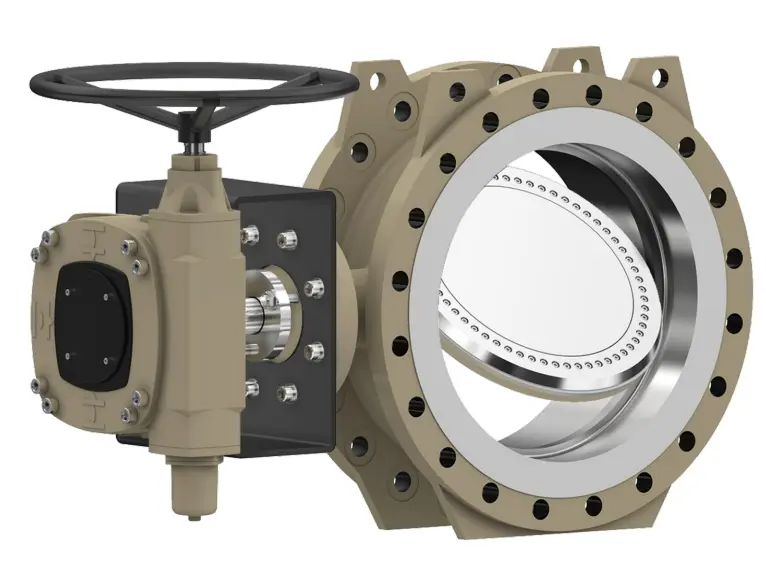
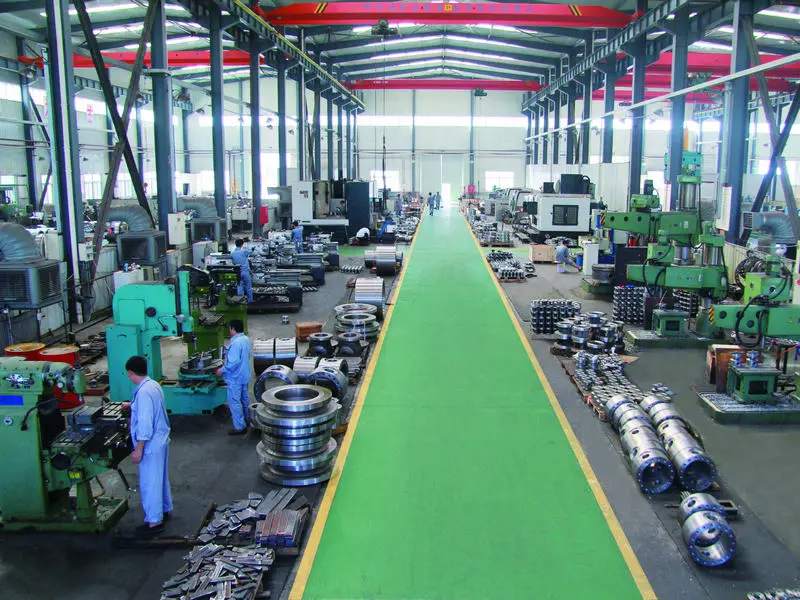
At Yining Machinery, we've spent years refining our component specs for metallurgical environments—not just for longevity, but for stability under thermal stress. For example, our forged Cr-Ni alloy valve shafts are heat-treated to achieve fine grain structures that resist creep and distortion. We don't use textbook alloys. We use what works on-site.
One project involved a converter gas valve at a steel mill in Hebei. The original OEM shaft—standard 304 stainless—started warping after just six months. Replacement downtime cost the plant a full production shift. We provided a drop-in shaft replacement with CrNiMo composition and normalized structure. It's still running after 14 months with zero maintenance.
But metallurgy isn't just hot—it's unpredictable. That's why we redesigned several valve assemblies to allow for modular maintenance. Our seat holders and stem couplings can be swapped without removing the full valve body. When plant shutdowns are measured in minutes, that's not a convenience—it's a requirement.
Sealing is another overlooked pain point. High-temp graphite rings often fail due to oxidation or compression loss. We've developed machined seat geometries that retain seal compression even under scale buildup and repeated heating cycles. We're not trying to reinvent sealing—we're just trying to make it last longer where others fail faster.
Every valve part we send into a steel plant comes with full traceability: alloy batch, hardness profile, grain size records, and QC data logged per piece. Most clients don't ask for that up front—but when something goes wrong and they're pulling logs, they appreciate having it.
Steel is still one of the most punishing industries for valve components. And while automation and digitalization are improving plant visibility, the physical demands haven't changed. If anything, the tolerance for failure is lower.
In metallurgy, a valve component doesn't need to last forever. It just needs to last long enough to never interrupt the process. That's what we build for.