



In Custom Valve Component Manufacturing, Responsiveness Beats Volume
Ask any process engineer who's commissioning a new system: a one-size-fits-all valve component doesn't exist anymore. Tolerances vary. Materials are specific. Sometimes it's a single mounting hole, other times it's a pressure class mismatch. Either way, standard catalogs don't cut it.
What's changed isn't just the demand for custom valve components—it's the speed at which those requests arrive and need to be fulfilled.
At Yining Machinery, nearly 60% of our orders now involve non-standard configurations: off-center coupling bores, asymmetric seat grooves, double-threaded stems. Some drawings come fully dimensioned, others arrive as screenshots with hand-annotated tolerances. Regardless, the expectation is clear: fast, precise, and repeatable production.
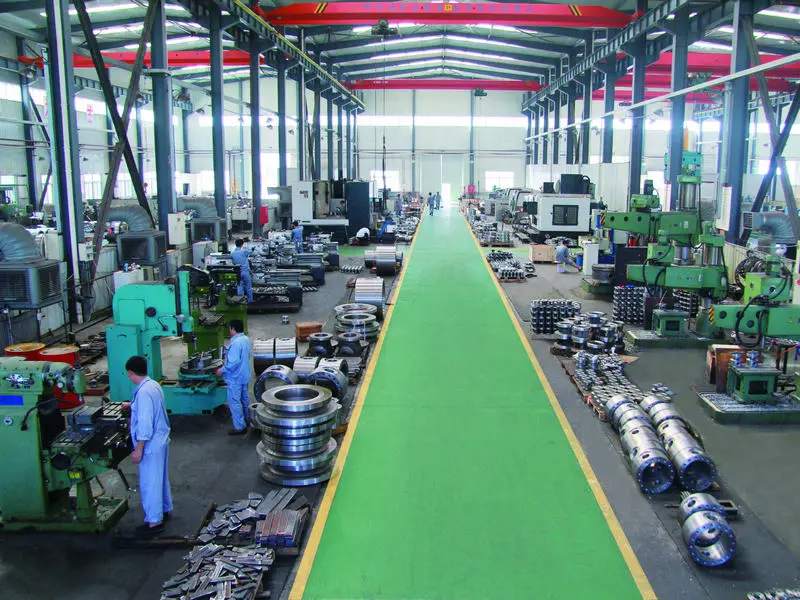
That's why we invested in 5-axis machining centers and integrated our MES system with ERP. This allows us to schedule, re-prioritize, and track valve component batches in real-time—especially when one client's urgent revision bumps into another's blanket order.
Case in point: for a German process control firm, we recently delivered a batch of 12 custom valve stems with different thread forms, each labeled and serialized. Their team didn't ask for polishing—they wanted flatness tolerances within 0.01 mm and concentricity verified on a CMM. We didn't blink. That's become routine.
And while technology matters, good communication still saves the most time. Most production issues don't start in the shop—they start with assumptions in the RFQ. That's why we assign a bilingual engineer to each custom valve project. They don't just quote. They clarify drawings, point out potential interference issues, and suggest tolerance adjustments that reduce lead times without sacrificing fit.
In this business, you don't just sell parts—you solve problems that exist between design and reality.
Logistics have adapted too. Rather than shipping bulk crates of general stock, we now ship small-batch valve components grouped by equipment module or construction phase. This makes sense for modular builds and phased plant expansions. Less warehousing, fewer sorting errors.
It's worth noting: responsiveness isn't about being cheap or fast. It's about being correct the first time—and scalable when the next variation arrives.
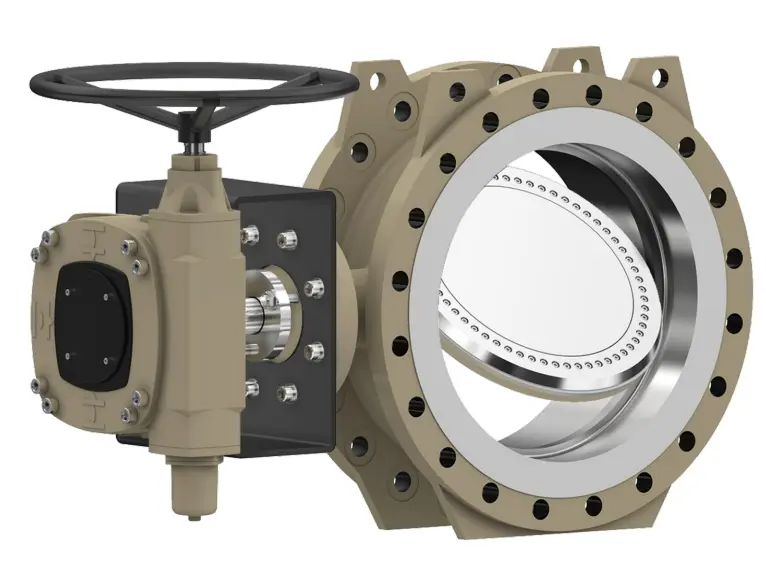
We've built our manufacturing model around that. Whether it's a machined valve body with an odd bolt pattern or a gland assembly with dual sealing seats, we treat each drawing like a live system—because eventually, that's where it ends up.