



How We Actually Look at Industrial Valve Manufacturing
When people ask us about industrial valves, the discussion usually starts with ratings and specifications. Pressure class, sealing type, design life. All of that matters, of course. But from our side, those numbers rarely tell the full story.
What we have learned over the years is that most valve problems are not created during operation. They are created much earlier, sometimes without anyone noticing, during manufacturing.
We work on a lot of OEM and ODM projects, and almost all of them start with drawings. Drawings are necessary, but they are never the whole picture. Different standards get mixed together. Tolerances look reasonable on paper but become tight once parts are machined and assembled. If these things are not discussed early, they usually come back later as rework or adjustments.
Material choice is another area where reality often differs from theory. On paper, a material grade looks correct. In practice, we pay more attention to how stable the material is during machining and how consistent it is from batch to batch. Especially for valves used under pressure or in aggressive media, small differences show up faster than people expect.
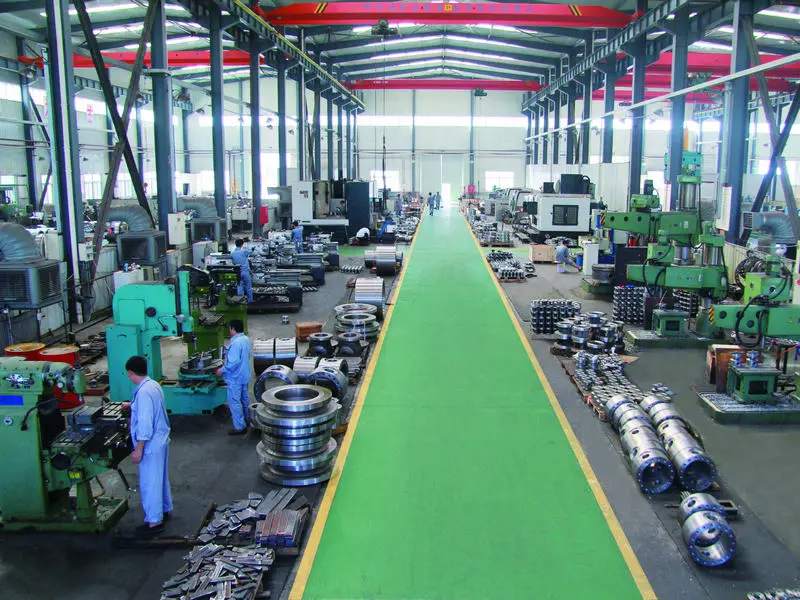
During machining and assembly, we try not to rush. Sealing surfaces, alignment between parts, the way components feel during assembly — these are not items you can fully describe in a drawing. They are things you notice while doing the work. When something feels wrong, it usually is.
Inspection, for us, is not something that only happens at the end. We check key dimensions during production, because finding a problem early is always easier than explaining it later. Some customers ask for inspection records with shipment, and we understand why. It saves time on their side.
Over time, we have noticed that many valve manufacturers prefer long-term manufacturing partners instead of handling everything internally. In those relationships, consistency and communication matter as much as price. Our job is to make the manufacturing side predictable, so there are fewer surprises down the line.
That is how we look at valve manufacturing. Not as a perfect process, but as a series of small decisions that quietly determine whether a valve will work well years later.