



How Custom Valve Components Support Daily Operations in the Chemical Industry
In the chemical industry, where pipelines handle acids, alkalis, solvents, and high-pressure steam, equipment failure isn’t just a maintenance issue—it’s a production risk. Among all mechanical elements, valves are one of the most relied-upon tools for controlling the process flow. But behind every reliable valve is a set of components that must meet demanding mechanical and chemical requirements.
Not Just Valves—Why Components Matter
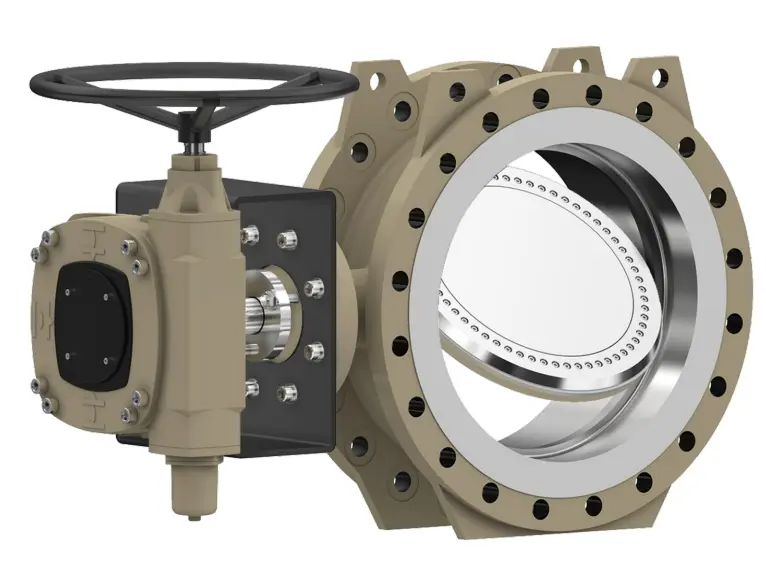
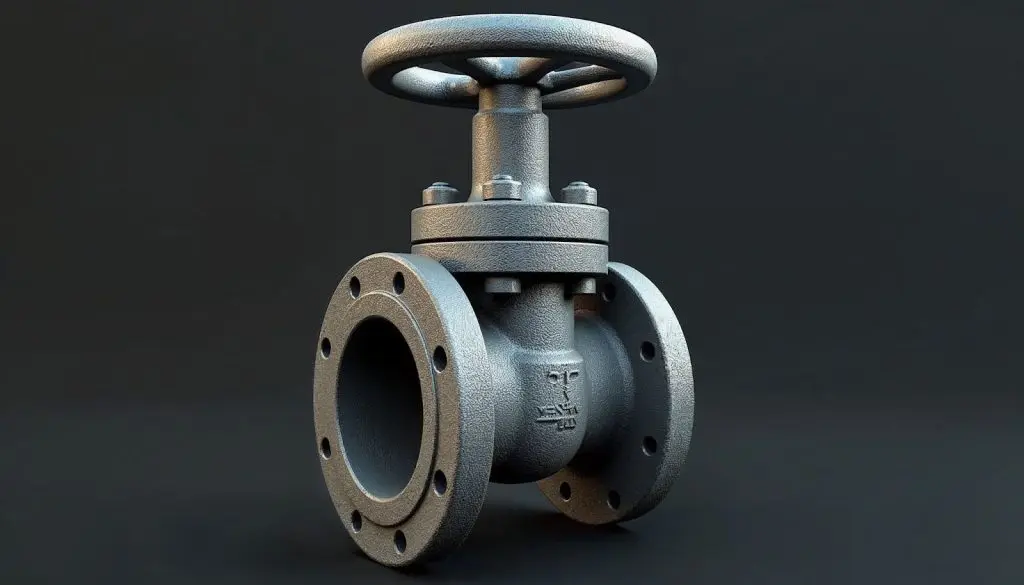
A chemical valve is only as reliable as its parts. Valve bodies, stems, seats, brackets, and couplings are exposed to corrosion, wear, pressure cycling, and temperature shifts on a daily basis. When a valve seat fails, leakage begins. If a stem seizes, actuator failure can follow. This is why plant maintenance teams often request specific materials, fits, and coatings for each valve component.
For example, many of our chemical customers require 316L or Hastelloy valve bodies due to their corrosion resistance. For internal movement parts, like the valve stem, hardened stainless steel or coated AISI 420 is often preferred. In aggressive conditions, even the valve bracket and actuator coupling must be upgraded to coated carbon steel or duplex stainless steel.
Adapting to Real-World Plant Needs
Most chemical plants do not run identical systems. Pipe layouts differ, actuator brands vary, and flow requirements are rarely standard. In this environment, custom-made valve components are not a luxury—they’re a necessity.
Our factory often receives drawings showing slight changes in bolt pattern, stem length, or body thickness. These variations are based on field experience, where engineers know what has worked—or failed—in the past. Rather than supplying standard catalog items, we work closely with maintenance teams and OEM engineers to deliver what they actually need.
We routinely provide:
- Machined valve seats adapted to non-standard port diameters
- Forged valve bodies with special bore shapes for high-viscosity media
- Modified valve couplings to fit between actuators and rotating shafts
- Brackets with offset hole positions to match actuator frames in tight spaces
Where Valve Components Are Used in Chemical Sites
In a typical chemical plant, valves and their components are used in:
- Acid and base dosing systems: corrosion-resistant seats and stems are critical
- Reactor inlet and outlet control: custom flow ports on ball valves ensure accurate dosing
- CIP (clean-in-place) systems: fast-acting valves with chemical-proof packing glands
- Waste neutralization: back-pressure valves using PTFE seats and 304 stems
- Solvent recovery lines: fire-safe designs with A105 bodies and high-temperature trims
Even in utility lines—like steam, chilled water, and nitrogen—valve reliability impacts safety and output.
A Shift Toward Durability and Maintainability
One change we’ve seen in recent years is the move toward maintainable valve designs. Instead of replacing entire valves, more plants now keep stock of key valve components—stems, couplings, seats—so they can be swapped out during scheduled downtime.
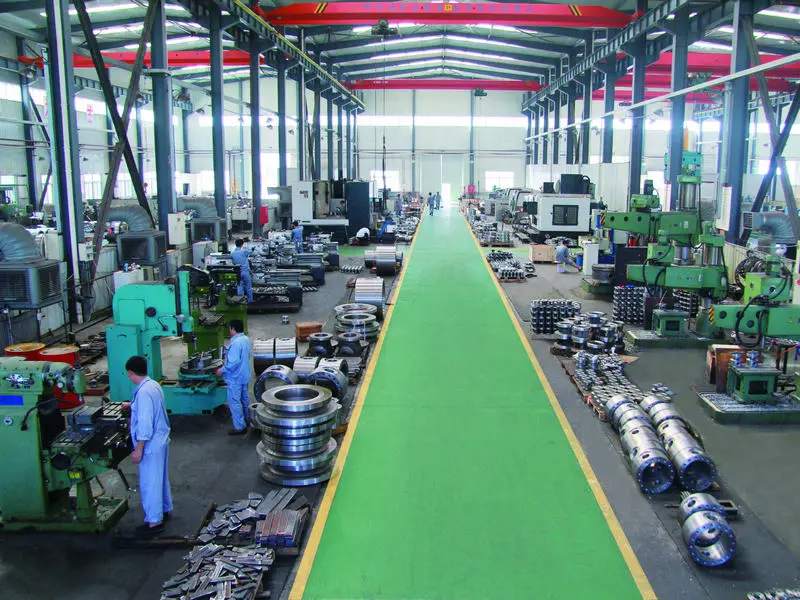
Our CNC shop supports this by machining spares to spec and keeping batch records for reordering. For common items like actuator couplings and bracket mounts, we also pre-drill according to ISO 5211, making replacements easier regardless of actuator brand.
Final Thoughts
The chemical sector puts valves to the test. And while many suppliers focus on complete valve units, it’s the smaller, often overlooked components that determine long-term reliability. As a company that specializes in custom valve accessories, we don’t just deliver parts—we support field performance.
If your plant faces repeated valve wear or maintenance issues, a better solution may not be a new valve—it may be better components.