



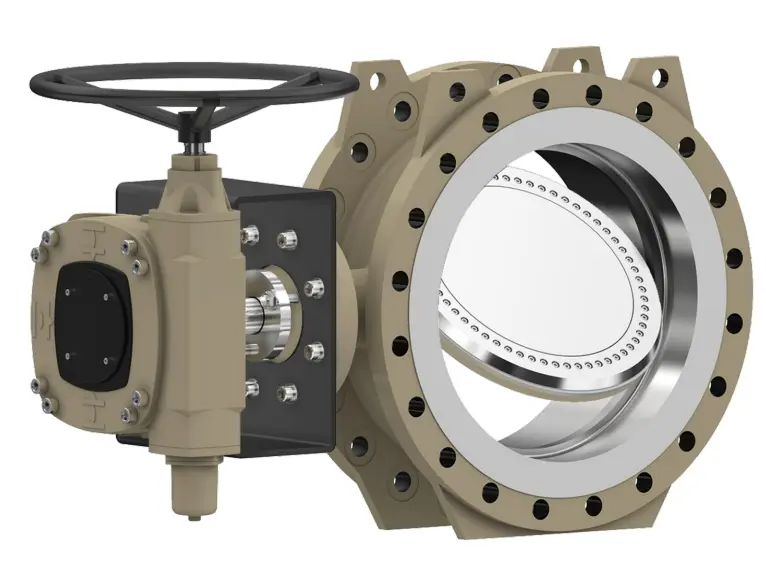
High Temperature Automated Ball Valve – What Actually Matters in Use
In high temperature service, things don’t usually fail right away. Most of the time, the system runs fine at the beginning, and then small problems start showing up after some time. Quite often, it comes back to how the high temperature automated ball valve was chosen.
One thing that shows up a lot is the sealing. Once the temperature gets higher, soft seats don’t behave the same anymore. They may still work at first, but stability becomes an issue. That’s why in many cases, a metal seated high temperature automated ball valve ends up being a safer option, especially in steam or thermal oil lines.
Another detail people tend to miss is the actuator. On paper, everything matches, but in real conditions, heat affects more than expected. If the actuator sits too close to the hot area without proper protection, the whole high temperature automated ball valve can start reacting slower, or not fully open and close as it should.
Material choice is usually not complicated, but it still matters. A105 is fine for general use, but once temperature goes up, F11 or F22 is often a better call. For media with some corrosion, CF8M (316) is more reliable. Also, simple things like hardening the ball and stem can make a noticeable difference over time for a high temperature automated ball valve.
Machining is another part that doesn’t get enough attention. At normal temperature, small tolerance issues might not cause trouble. But under heat, those small deviations become more obvious. Especially on larger sizes, if alignment or sealing surfaces are slightly off, the high temperature automated ball valve may start leaking or require higher torque.
Most of these valves end up in similar environments—steam systems, heat transfer oil, or high temperature gas lines. These are not conditions where frequent shutdown is acceptable, so once a high temperature automated ball valve starts having issues, it quickly becomes a bigger problem.
Compared with standard valves, a high temperature automated ball valve does give better control and faster response. But that only really holds if the valve fits the job. Otherwise, even a well-made valve won’t perform as expected.
Lately, more projects are moving away from off-the-shelf options. Instead of picking a model directly, people are adjusting materials, sealing type, and even actuator setup based on actual conditions. In that sense, a high temperature automated ball valve is less of a standard product and more of a matched solution.
At the end of the day, it’s not about choosing the most expensive valve, but the one that actually suits the temperature, pressure, and operating cycle. When that part is right, the valve tends to run without much trouble.