



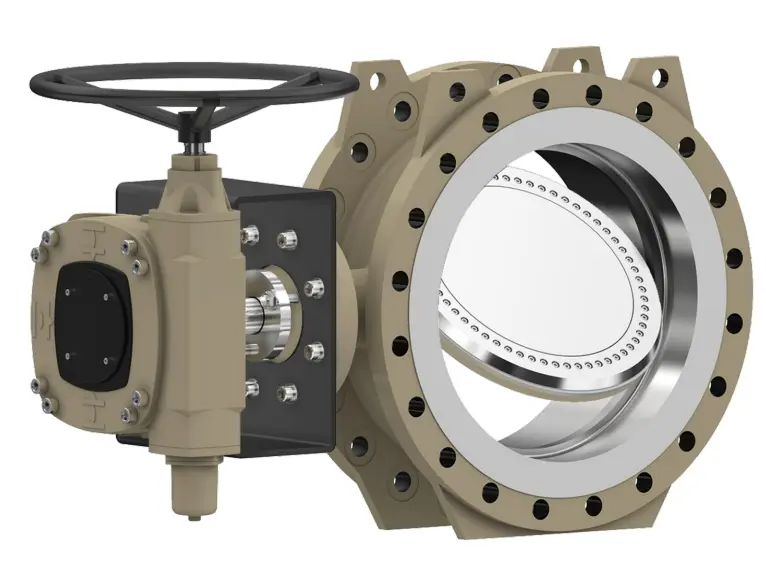
Forged Valve Body Is Quietly Becoming the First Choice in Tough Service Conditions
If you have been working with valves for a few years, you will probably notice one thing — more and more projects are asking for forged valve body instead of cast ones. It’s not something that changed overnight, but it’s definitely happening.
From what we see on the shop floor, this shift is mostly coming from real usage issues rather than design preference.
A forged valve body simply behaves better under pressure. That’s the most direct way to put it.
When you compare it with casting, the internal structure is denser. Less porosity, fewer hidden defects. In high-pressure or high-temperature lines, this difference becomes obvious after some time in service. Some customers actually switched to forged valve body after facing leakage or cracking problems with cast parts.
It’s not that casting is bad — it’s still widely used. But in more demanding conditions, engineers tend to play safe.
Another thing worth mentioning is material performance. A forged valve body made from A105 or F11 usually gives more stable results during machining and pressure testing. Stainless options like 316 or 316L are also common, especially when corrosion is a concern. If NACE requirements are involved, forged materials are generally easier to control in terms of compliance.
From a machining point of view, a forged valve body is also more predictable. The cutting process feels more consistent, and dimensional control is easier to maintain. For parts with sealing surfaces or critical tolerances, this matters a lot. Nobody wants to deal with unexpected defects after hours of machining.
We’ve also seen that customers who use forged valve body in batch orders tend to have fewer complaints later. The parts are more uniform. Inspection is smoother. Assembly fits better. These are small things, but they add up in real production.
Of course, cost always comes up. A forged valve body is usually a bit more expensive at the beginning. But if you look at maintenance, replacement, and downtime, many users feel it’s worth it. Especially in industries like oil & gas or power plants, reliability is not something you compromise on.
So in the end, the growing demand for forged valve body is not about marketing or trends. It’s mostly based on experience — what works better in the field.
And from what we can see right now, this preference is not going away anytime soon.