



Designing Valve Components for Hydrogen Isn't Just About Pressure—it's About Trust
Working with hydrogen isn't the same as handling compressed air or methane. It leaks through tiny defects, diffuses into metals, and turns minor material flaws into long-term reliability risks. So when our clients ask us for valve components that "work with hydrogen,"we always respond with one question: what kind of hydrogen system are we talking about?
There's a big difference between a fueling station operating at 700 bar and an electrolyzer skid running at 40°C. Yet both demand precision valve parts that minimize leakage, resist embrittlement, and comply with ever-evolving safety codes.
At Yining Machinery, we've been working alongside integrators and energy OEMs to figure out what works—not in theory, but in field-tested, install-ready components. Our hydrogen-service valve stems and lower shafts are built from CrNi austenitic stainless, with minimized delta ferrite and verified grain structures. These aren't generic alloys—they're selected for low hydrogen diffusion and tested for toughness post-passivation.
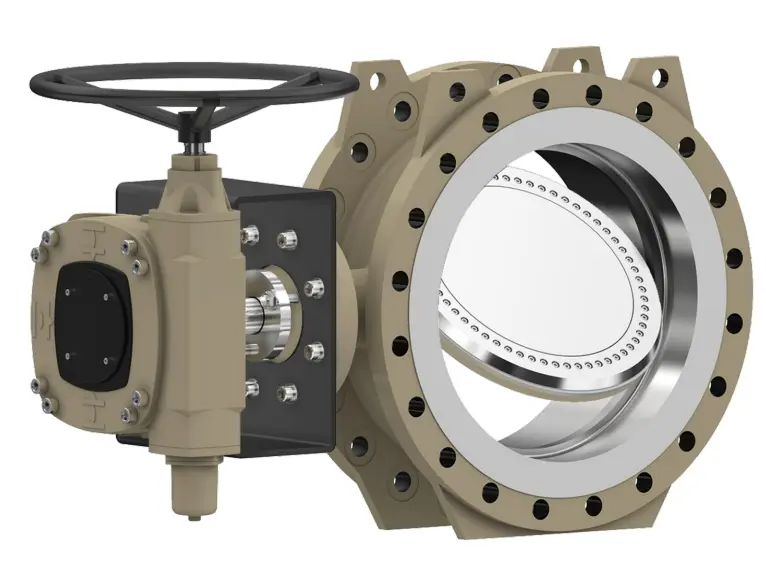
In one recent project with a Nordic electrolyzer manufacturer, we delivered seat ring assemblies for dual-phase hydrogen transfer—gas and cryogenic liquid. Machining tolerances were kept under 5 microns on all sealing faces. They didn't ask us for polished branding or glossy brochures. They asked us to make sure nothing leaks at -250°C.
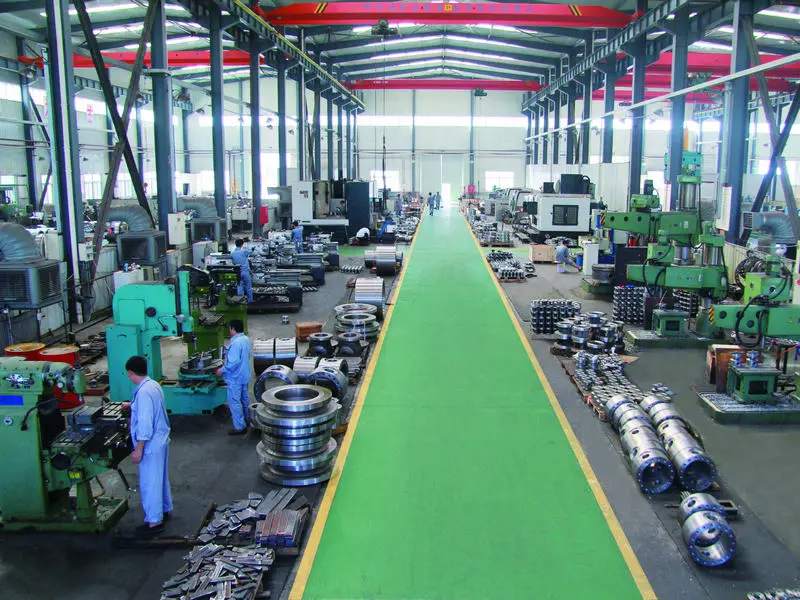
And that's the point. In hydrogen, nobody wants surprises. That's why we've implemented clean-room packaging protocols, full MTC traceability, and surface finish documentation on every critical valve component we ship for hydrogen systems.
We also stopped thinking of "hydrogen-compatible"as a generic spec. There are layers: high-pressure storage, PEM electrolysis, fuel cell stacks, mobile refueling, test stands. Each one has its own mechanical constraints, cleaning requirements, and documentation thresholds. We've learned that early technical conversations save weeks down the line.
From a materials standpoint, we avoid unnecessary overengineering. Nickel is expensive and scarce. So we optimize sealing surfaces, improve concentricity, and design valve parts that resist fatigue without blowing up the bill of materials. It's not just about making parts strong—it's about making them sustainable.
Clients today aren't looking for "hydrogen-proof"claims. They want repeatable production, dimensionally reliable valve parts, and the confidence that if they place the same order again in six months, they'll get the same performance.
In short: hydrogen applications don't forgive mistakes. And they rarely allow second chances.
That's why at Yining, when we machine a hydrogen valve stem, we think about its final installation—not just its tolerance spec. Because if it leaks, if it fractures, or if it causes downstream damage, we lose more than a sale—we lose a relationship.
Working with hydrogen isn't the same as handling compressed air or methane. It leaks through tiny defects, diffuses into metals, and turns minor material flaws into long-term reliability risks. So when our clients ask us for valve components that “work with hydrogen,” we always respond with one question: what kind of hydrogen system are we talking about?
There's a big difference between a fueling station operating at 700 bar and an electrolyzer skid running at 40°C. Yet both demand precision valve parts that minimize leakage, resist embrittlement, and comply with ever-evolving safety codes.
At Yining Machinery, we've been working alongside integrators and energy OEMs to figure out what works—not in theory, but in field-tested, install-ready components. Our hydrogen-service valve stems and lower shafts are built from CrNi austenitic stainless, with minimized delta ferrite and verified grain structures. These aren't generic alloys—they're selected for low hydrogen diffusion and tested for toughness post-passivation.
In one recent project with a Nordic electrolyzer manufacturer, we delivered seat ring assemblies for dual-phase hydrogen transfer—gas and cryogenic liquid. Machining tolerances were kept under 5 microns on all sealing faces. They didn't ask us for polished branding or glossy brochures. They asked us to make sure nothing leaks at -250°C.
And that's the point. In hydrogen, nobody wants surprises. That's why we've implemented clean-room packaging protocols, full MTC traceability, and surface finish documentation on every critical valve component we ship for hydrogen systems.
We also stopped thinking of “hydrogen-compatible” as a generic spec. There are layers: high-pressure storage, PEM electrolysis, fuel cell stacks, mobile refueling, test stands. Each one has its own mechanical constraints, cleaning requirements, and documentation thresholds. We've learned that early technical conversations save weeks down the line.
From a materials standpoint, we avoid unnecessary overengineering. Nickel is expensive and scarce. So we optimize sealing surfaces, improve concentricity, and design valve parts that resist fatigue without blowing up the bill of materials. It's not just about making parts strong—it's about making them sustainable.
Clients today aren't looking for “hydrogen-proof” claims. They want repeatable production, dimensionally reliable valve parts, and the confidence that if they place the same order again in six months, they'll get the same performance.
In short: hydrogen applications don't forgive mistakes. And they rarely allow second chances.
That's why at Yining, when we machine a hydrogen valve stem, we think about its final installation—not just its tolerance spec. Because if it leaks, if it fractures, or if it causes downstream damage, we lose more than a sale—we lose a relationship.