



Custom Valve Components: Practical Solutions for Industrial System Challenges
In practical maintenance scenarios across process industries, the failure of valve systems is rarely due to the valve body itself. Instead, it is often the internal components—valve stems suffering from surface wear, valve seats losing concentricity under pressure cycles, or packing glands breaking down due to thermal fatigue—that lead to system instability, leakage, or unscheduled shutdowns.
As a result, the demand for application-specific valve components has been steadily increasing. A one-size-fits-all approach simply does not hold up in environments like chemical processing, metallurgy, or power generation, where process media, pressure, and temperature profiles vary widely. Custom-engineered valve parts have become essential for reliability, especially in systems running continuous operations with minimal tolerance for downtime.
Field engineers and maintenance managers are turning to specialized manufacturers who can produce components to specification, based on either technical drawings or physical samples. At Sichuan Yining Machinery, we routinely machine valve stems, couplings, seats, and actuator mounting brackets tailored to unique mechanical and environmental demands. Whether it’s A105 carbon steel with post-machining stress relief or CF8M stainless steel treated for corrosion resistance, every job is guided by process knowledge, not assumptions.
Material selection is not a box-ticking exercise. It’s based on wear mechanisms, thermal range, and chemical compatibility. For example, high-cycle stems for automated valves may benefit from hardened 17-4PH or nitrided 410 stainless, while seats in slurry service often require Stellite overlays or precision polishing to maintain sealing under abrasive flow.
We have seen real cases where mounting holes on a bracket deviated by 0.5mm and caused actuator misalignment, or where valve balls failed to seal because the surface roundness fell outside the 0.01mm tolerance range. These are not theoretical issues—they are operational headaches that plant teams work to eliminate. That’s why precision and fit matter just as much as material.
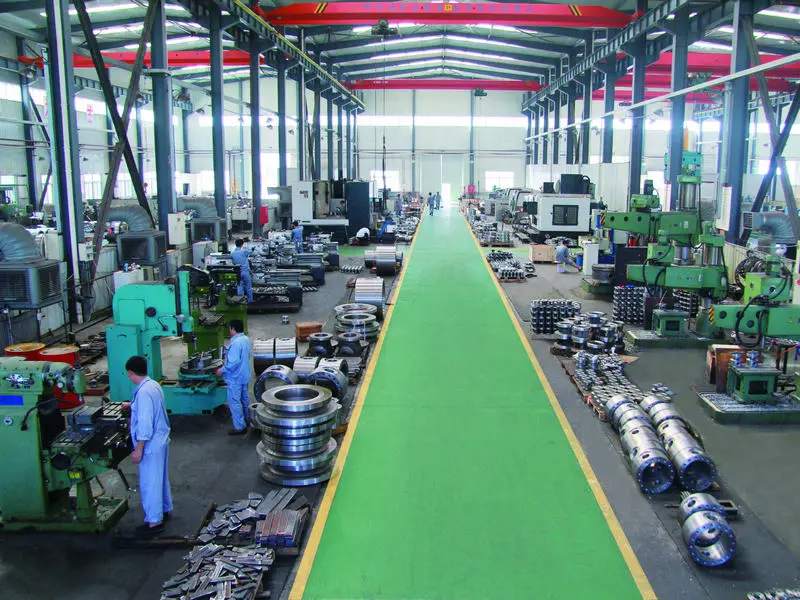
More importantly, all machining at our facility is performed under defined process control, with traceability of material batches, cutting parameters, and inspection records. Our team works in coordination with client-side engineers to validate assembly interfaces, sealing surfaces, and structural rigidity—especially for load-bearing parts or components exposed to high-cycle mechanical stress.
In conclusion, valve reliability depends heavily on the performance of its internal components. A precision-engineered part, properly matched to its service environment, can make the difference between stable operation and costly failure. Customization is no longer optional—it’s a practical necessity in modern fluid control systems.