Engineered to pair seamlessly with residential plumbing valve stems, backflow preventers, and automation manifolds.
Why microscopic precision and zero-defect stem fabrication dictate modern domestic water safety and long-term asset reliability.
Certified lead-free metallurgies meeting global potable water health and environmental safety directives.
Micro-turned and ground stems eliminating gland packing wear and delivering smooth actuation torque.
Integral mechanical collars ensuring complete pressure containment under extreme residential surge hammering.
Standardized square and double-D drive stems optimized for motorized actuators and automated smart shutoffs.
Residential plumbing systems have undergone a profound technological transformation over the past decade. Where residential water management once relied on basic cast brass gate valves and simple manual shutoffs, contemporary residential architecture demands highly engineered, automated, and hyper-reliable fluid control infrastructures. At the heart of every quarter-turn ball valve, multi-turn stopcock, thermostatic mixing cartridge, and smart motorized emergency shutoff valve lies a critical mechanical component: the machined valve stem.
The valve stem operates as the essential mechanical bridge transmitting external actuation torque—whether supplied by an ergonomic homeowner lever or an AI-driven smart motor—directly to the internal closure mechanism (ball, gate, disc, or cartridge). In residential settings, valve stems must endure years of stagnant mineral-heavy potable water, high-frequency thermal cycling in domestic hot water (DHW) loops, seasonal freezing pressures, and aggressive chlorine or chloramine municipal disinfectant treatments without seizing, leaking, or shedding hazardous trace elements.
The global residential plumbing valves market is expanding rapidly, fueled by stricter building codes, urban multi-family high-rise developments, and the surge in smart home automation. Building standards across North America (UPC/IPC), Europe (EN 13828), and the Asia-Pacific region now mandate zero-lead alloys and minimum cycle-life durability thresholds exceeding 50,000 continuous operations. In response, manufacturers have shifted away from traditional rough casting towards high-speed 5-axis CNC multi-spindle turning, precision Swiss-style machining, and automated superfinishing techniques to achieve mirror-smooth stem surfaces (Ra
Moving into the next industrial cycle, valve stem manufacturing for residential plumbing is converging with smart sensorization and advanced metallurgies. Future trends highlight the widespread integration of low-friction diamond-like carbon (DLC) and electroless nickel coatings on stainless steel and lead-free brass stems, reducing operating torque by over 40%. Concurrently, the proliferation of battery-powered IoT smart shutoff systems requires ultra-low actuation friction to prolong actuator battery life to 5+ years, making stem concentricity and cylindrical tolerance control more vital than ever before.
Material selection for residential plumbing valve stems is governed by stringent international public health directives. Lead leaching into drinking water poses severe toxicological risks; consequently, regulatory bodies such as the U.S. Safe Drinking Water Act (SDWA), NSF International, and the European Drinking Water Directive (EU 2020/2184) restrict the weighted average lead content in wetted surfaces to under 0.25%.
Choosing the correct alloy involves balancing tensile strength, machinability, corrosion resistance, and total cost of ownership across varying residential plumbing applications:
The manufacturing journey of a premium residential valve stem transitions through rigorous multi-stage CNC machining processes to ensure zero leakage across decades of operation:
1. Cold Forming & Precision Swiss Machining: Starting from calibrated cold-drawn bar stock, CNC Swiss lathes turn critical stem diameters, cut O-ring sealing grooves, and form mechanical retention collars in a single clamping setup. Single-setup machining eliminates concentricity errors, ensuring the stem axis aligns perfectly with the valve bonnet and body cavity.
2. Micro-Finishing & Burnishing: The cylindrical surface contacting the PTFE, EPDM, or FKM O-rings undergoes rotary diamond burnishing or centerless superfinishing. Reducing surface roughness down to Ra 0.15 - 0.25 μm eliminates microscopic micro-burrs that would otherwise abrade polymer seals during cyclic stem rotation.
3. Anti-Blowout Shoulder Integration: Safety engineering standards require residential plumbing stems to feature an integral internal shoulder that seats against the valve body from the inside. Even under extreme hydraulic pressure surges, thermal expansion, or accidental packing gland removal, the stem cannot physically eject from the valve housing.
How machined valve stems deliver tailored flow modulation, safety isolation, and energy efficiency across diverse domestic architectures.
Modern luxury homes and green-certified residences are increasingly equipped with intelligent ultrasonic flow meters and automated shutoff ball valves at the main service entry. These systems monitor continuous micro-flow anomalies indicative of burst pipes or dripping fixtures. When a leak is identified, an onboard stepper motor drives the valve stem closed within seconds. The machined stem must exhibit exceptionally low breakaway torque (under 3.5 N·m for a 1-inch valve) so that compact, battery-backed actuators can operate reliably even after years of inactivity.
To prevent scalding while mitigating Legionella growth in residential water heaters, TMVs continuously blend 60°C+ hot water with cold mains water to deliver a safe 45°C output. The machined valve stem inside the thermostatic cartridge operates in a high-temperature, scale-prone environment. Stems machined from corrosion-resistant 316L stainless steel or DZR brass resist calcium carbonate crystallization, ensuring smooth axial movement and instantaneous thermal response.
Hydronic radiant floor heating utilizes multi-port supply and return manifolds with individual loop balancing valves and electro-thermal actuators. Each circuit features a micro-machined stem with precision thread pitches (such as M30 x 1.5) that translate rotational micromotions into linear disc throttling. Precise thread concentricity ensures micro-liter balancing accuracy, avoiding cold spots and optimizing residential heat pump efficiency.
In high-rise apartment towers, static water head creates massive pressures on lower floors (often exceeding 1.2 MPa). Direct-acting and pilot-operated Pressure Reducing Valves (PRVs) step down municipal pressure to a safe 0.3 - 0.4 MPa. The internal machined stem and spindle must withstand relentless cavitation, hydrodynamic vibration, and high-frequency throttling without fatigue cracking or packing seal blowout.
Water softeners, reverse osmosis systems, and backwash iron filters utilize multi-port rotary ceramic or piston valves. Stems operating in brine-regeneration environments are exposed to saturated sodium chloride solutions. High-grade custom machined valve stems provide the chemical resilience necessary to prevent galvanic pitting and mechanical binding.
Understanding failure mechanisms is central to advancing CNC machining quality and prolonging residential valve service lifespans:
Sichuan Yining Machinery Equipment Co., Ltd. was established in 2005 and is a company specializing in the production and manufacturing of various types of valves and finished valve accessories. Over the years, we have been dedicated to the field of valves and are committed to providing high-quality and high-performance products and solutions to customers worldwide.
The company has always adhered to the business philosophy that "Quality is the boss, quality is our salary", insisting on taking quality as the core and regarding stable and reliable product quality as the solid foundation for long-term cooperation with customers. We are well aware that high-quality products and stable delivery capabilities are the keys to the continuous development of an enterprise.
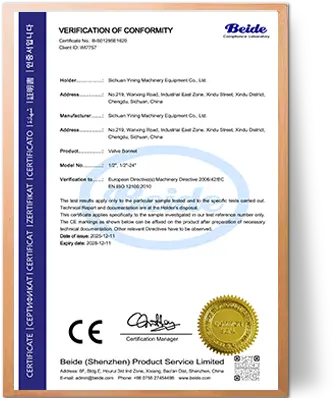
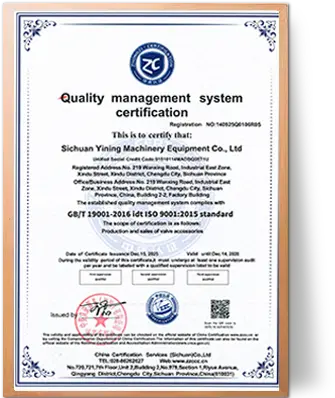
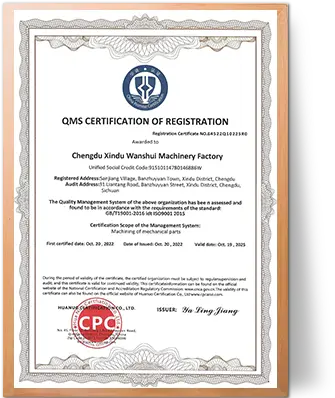
The company has passed the ISO9001 quality management system certification and CE certification, and strictly follows international standards for production and quality control to ensure that every product meets industry and customer requirements.
With years of manufacturing experience and mature production techniques, we have a professional technical and management team with rich theoretical knowledge and practical experience. We adhere to the development direction of "conceptual innovation, technological innovation, and management innovation", constantly improving product quality and enterprise competitiveness.
In the future, Sichuan Yining Machinery Equipment Co., Ltd. will continue to take outstanding quality as the core, customer demands as the orientation, and join hands with partners to create a long-term, stable and mutually beneficial win-win cooperative relationship.
 +86-15208308717

Our company is CE certified and operates under an ISO 9001 quality management system. We are equipped with CNC machines, machining centers, forging and cold forming equipment, as well as physical and chemical testing facilities.
Our valve components are manufactured in accordance with GB, ANSI, JIS, DIN, and BS standards, meeting the conformity requirements of international markets, including Europe.
We machine carbon steel, stainless steel, alloy steel, and special materials such as 410, 420, F304, F316, LF2, A105, 17-4PH, Monel 400, and XM-19, and support custom production based on customer drawings.

In addition to comprehensive product supply, our service level is also outstanding. With rich experience in the industry, we are always able to deeply understand the needs of our customers and meet all kinds of OEM customisation requirements. We ensure on-time delivery, prompt response and take care of all after-sales issues.
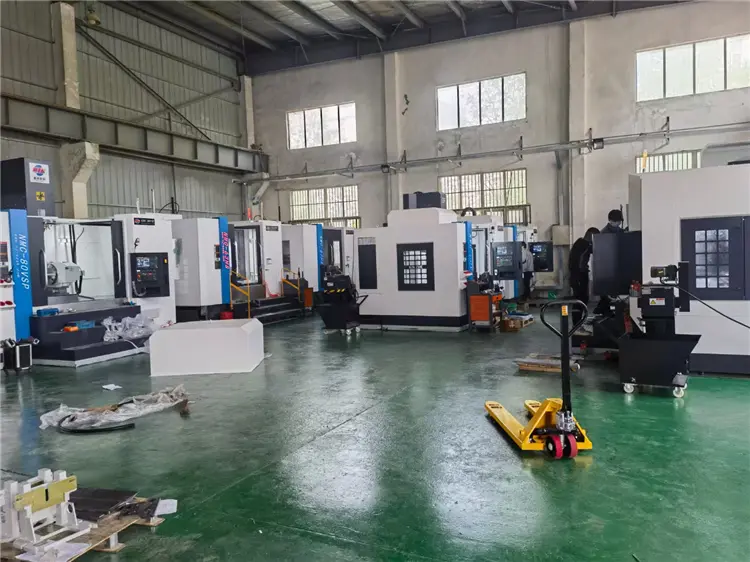
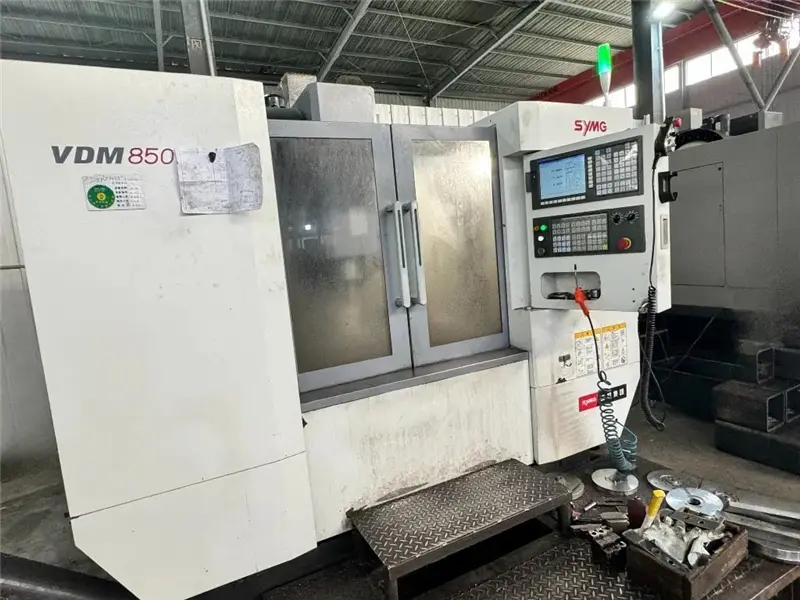
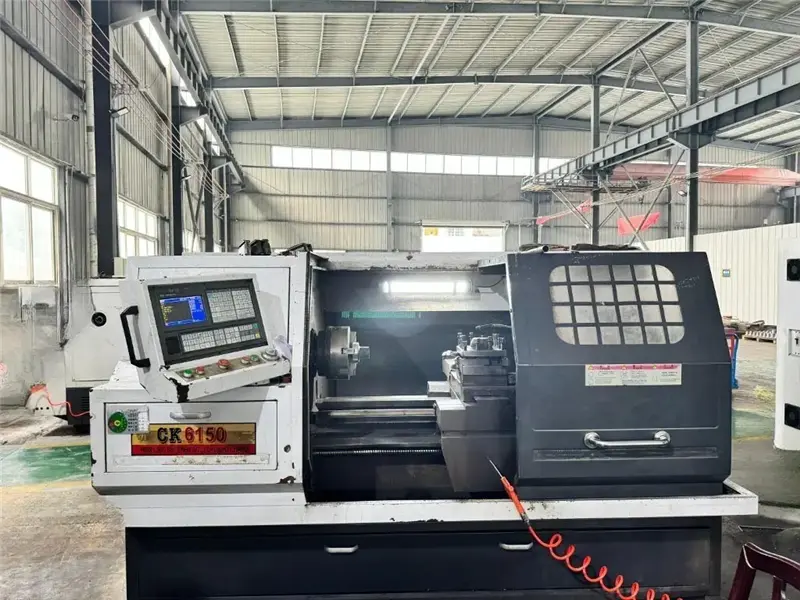
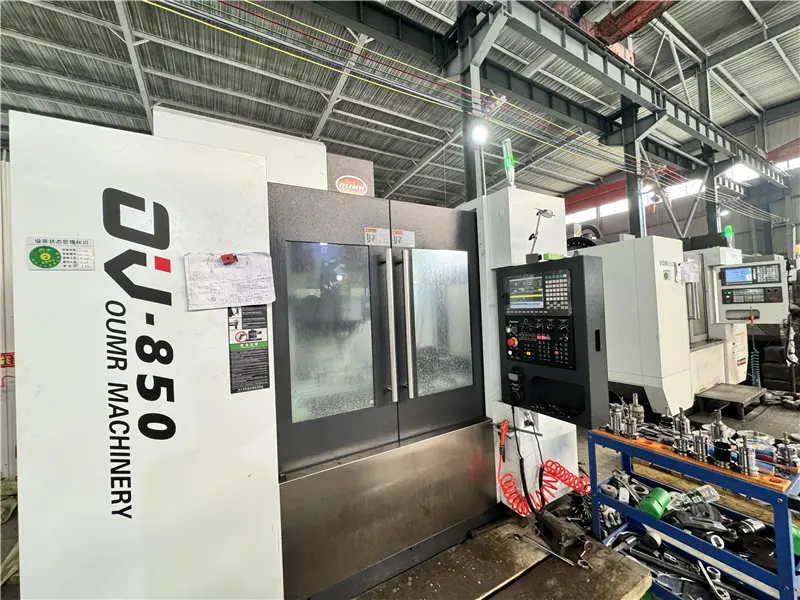
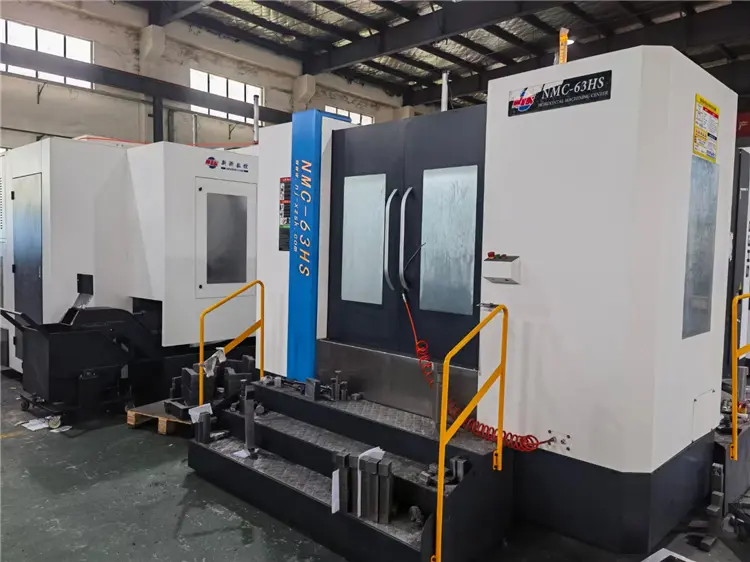
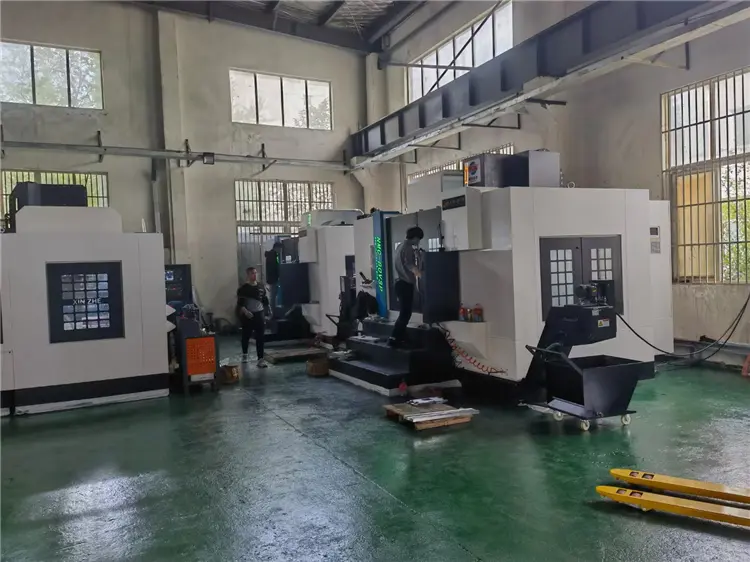
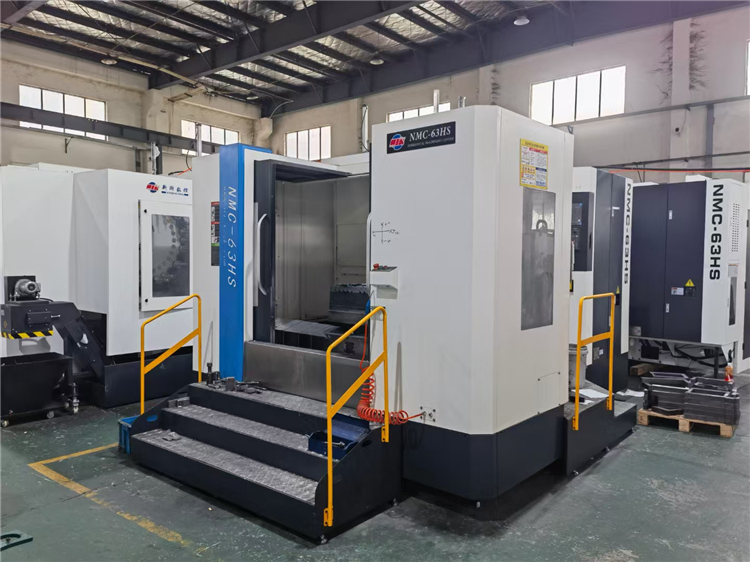
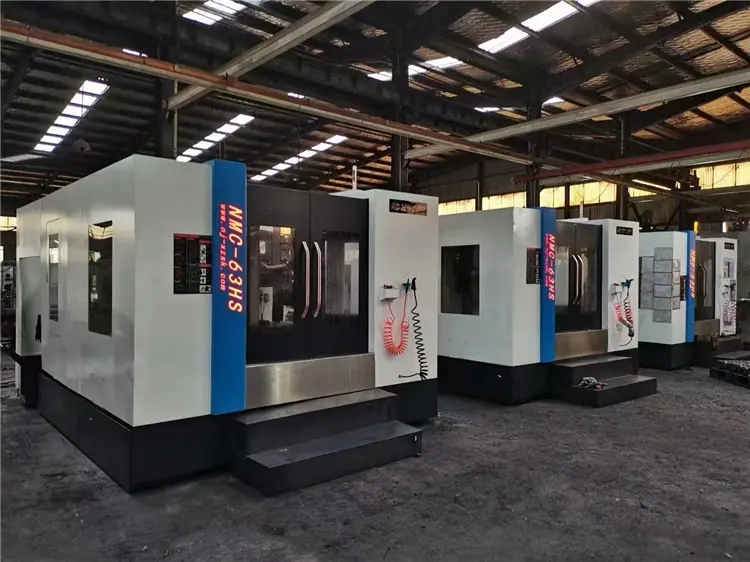
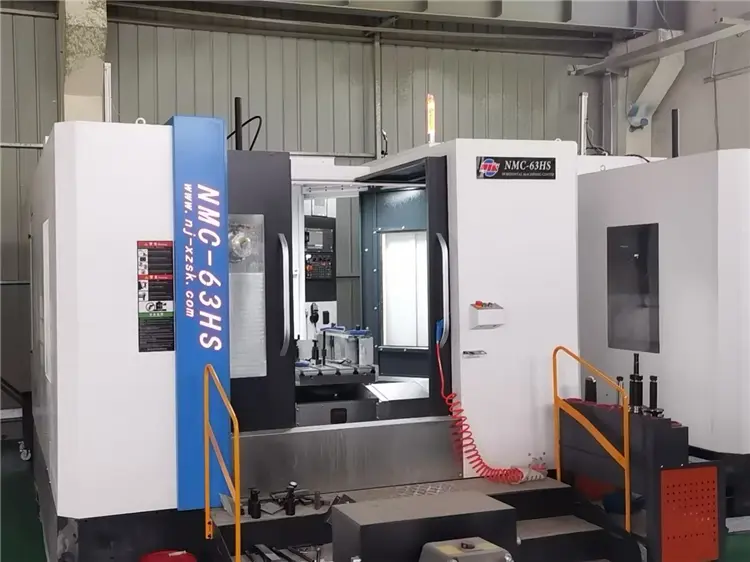
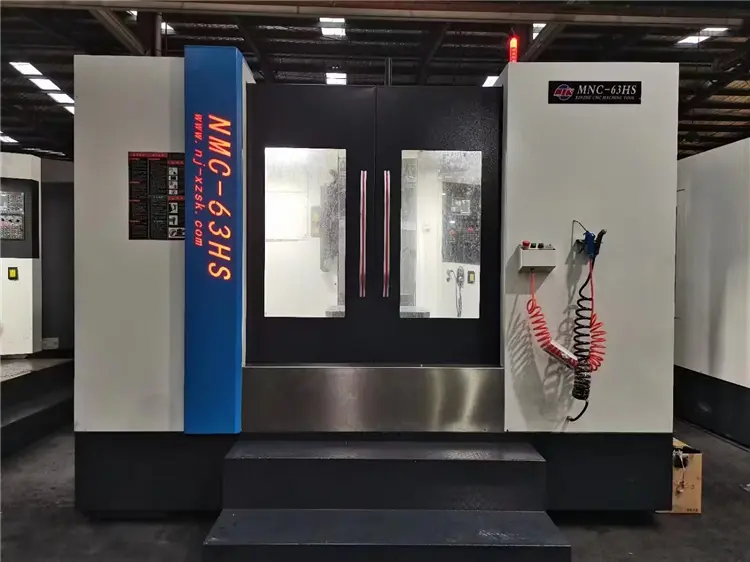
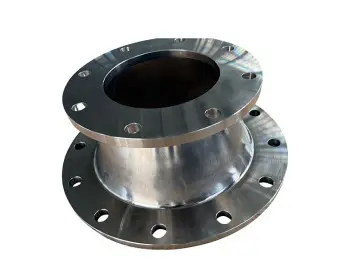
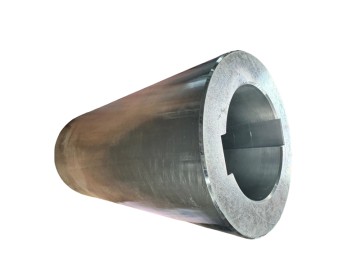
Comprehensive portfolio of precision forged bodies, custom machined flanges, brackets, couplings, and high-performance valves.



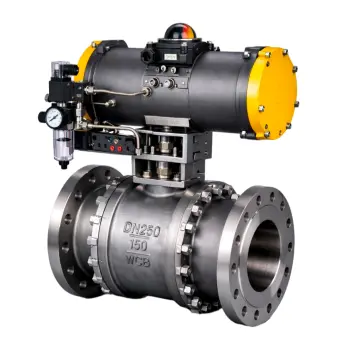

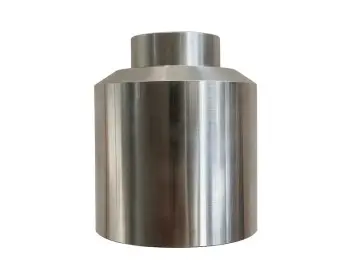
Sichuan Yining Machinery Equipment Co., Ltd. is committed to becoming a trusted partner of global valve companies. Contact our technical engineering team for custom drawings, precision stem prototypes, or bulk OEM procurement.
Request Technical Consultation