


Why Mixed-Standard Valve Procurement Fails
Sourcing industrial valves across global projects? A mismatch between ANSI, DIN, JIS, and GB standards can halt an entire pipeline—even when the nominal bore looks identical on paper.
Imagine ordering a DN100 flange valve for a European plant, only to discover on-site that the bolt-hole circle diameter is 8 mm off from your existing pipework. The valve body fits, the pressure class looks right—but nothing bolts together. This is the hidden cost of mixed-standard procurement: project delays, emergency air-freight, and costly rework. This guide gives you a definitive crosswalk between the four most-used industrial valve standards worldwide, so your engineering and purchasing teams can specify, quote, and install with confidence.
Dimensional Mismatch
DN100 in DIN and NPS 4 in ANSI share a similar bore, but flange OD, bolt-hole PCD, and face-to-face dimensions differ—making interchangeability impossible without adapters.
Bolt-Hole Circle Deviation
A 3–8 mm offset in bolt-hole centre circle diameter means standard bolts won't align. Field-drilling flanges is a safety violation in most jurisdictions.
Pressure Class Misreading
Class 150 (ANSI) and PN 20 (DIN) are not equivalent. Confusing them can result in under-rated assemblies operating above their safe pressure limit.
Temperature-Pressure Derating
Pressure ratings are temperature-dependent. A Class 300 valve rated at 51.1 bar at 38 °C may only handle 27.6 bar at 300 °C—a fact buried in standard tables.
The Four Major Valve Standards — Plain-Language Overview
Before diving into numbers, here's who created each standard, where it dominates, and what it governs in everyday valve specification.
American National Standards Institute / ASME
ANSI/ASME B16.5 and B16.34 govern flanged and threaded valves. Pipe sizes use NPS (Nominal Pipe Size) in inches, and pressure classes are designated as Class 150, 300, 600, 900, 1500, 2500. Dominant in oil & gas, petrochemical, and power generation across the Americas, Middle East, and much of Southeast Asia.
Deutsches Institut für Normung / EN ISO
Originally German, DIN standards have been harmonised into EN 1092 (European Norm). Pipe sizes use DN (Diamètre Nominal) in millimetres, and pressure ratings are expressed as PN (Pressure Nominale): PN 6, 10, 16, 25, 40, 63, 100, 160, 250, 400. Widely used across Europe, Africa, and CIS countries.
Japanese Industrial Standards
JIS B2220 covers steel pipe flanges. JIS also uses DN for nominal diameter but applies its own unique bolt-hole patterns and flange facing dimensions. Pressure classes mirror a mix of ANSI and DIN logic, with ratings like 5K, 10K, 16K, 20K, 30K, 40K, 63K (K = kgf/cm²). Prevalent in Japan, South Korea, and Taiwan.
Guobiao — Chinese National Standard
GB/T 9113 and GB 12221 govern flanges and face-to-face dimensions for Chinese-manufactured valves. GB largely mirrors DIN/EN in using DN and PN notation, but flange dimensions, bolt patterns, and material grades follow Chinese specifications. Dominant in China and increasingly used across Belt & Road infrastructure projects globally.
Valve Standards Crosswalk Table: DN / NPS / Flange Dimensions
Use this table to map nominal bore sizes, flange pressure classes, and bolt-hole centre circle diameters (PCD) across all four standards. All dimensions in millimetres unless stated.
| DN (mm) | NPS (ANSI, in) | ANSI Class 150 PCD (mm) | DIN PN16 PCD (mm) | JIS 10K PCD (mm) | GB PN16 PCD (mm) | Flange OD — ANSI / DIN (mm) |
|---|---|---|---|---|---|---|
| DN 15 | NPS ½" | 47.6 | 45 | 55 | 45 | 89 / 95 |
| DN 25 | NPS 1" | 79.4 | 75 | 85 | 75 | 108 / 115 |
| DN 50 | NPS 2" | 120.7 | 125 | 120 | 125 | 152 / 165 |
| DN 80 | NPS 3" | 168.3 | 160 | 160 | 160 | 190 / 200 |
| DN 100 | NPS 4" | 190.5 | 180 | 180 | 180 | 229 / 220 |
| DN 150 | NPS 6" | 241.3 | 240 | 240 | 240 | 279 / 285 |
| DN 200 | NPS 8" | 298.5 | 295 | 295 | 295 | 343 / 340 |
| DN 300 | NPS 12" | 431.8 | 400 | 400 | 400 | 483 / 460 |
Critical Safety Note: Even when two flanges share the same nominal DN size, flanges from different standards must never be bolted together without a certified adapter. PCD offsets of 5–30 mm, differing bolt diameters, and incompatible facing types (raised face vs. flat face) create leak paths and structural failures. Always verify the full dimensional drawing before procurement. See our custom OEM valve parts page for multi-standard solutions.
ANSI Class vs DIN PN vs JIS K — Approximate Equivalents
These are approximate working pressure equivalents at ambient temperature (38 °C / 100 °F). Always consult the full temperature-pressure tables for your operating conditions.
| Class 150 | ≈ 19.6 bar (285 psi) |
| Class 300 | ≈ 51.1 bar (740 psi) |
| Class 600 | ≈ 102.1 bar (1,480 psi) |
| Class 900 | ≈ 153.2 bar (2,220 psi) |
| Class 1500 | ≈ 255.3 bar (3,705 psi) |
| Class 2500 | ≈ 425.5 bar (6,170 psi) |
| PN 20 | ≈ Class 150 |
| PN 50 | ≈ Class 300 |
| PN 110 | ≈ Class 600 |
| PN 150 | ≈ Class 900 |
| PN 260 | ≈ Class 1500 |
| PN 420 | ≈ Class 2500 |
| 5K | ≈ 4.9 bar |
| 10K | ≈ 9.8 bar |
| 16K | ≈ 15.7 bar |
| 20K | ≈ 19.6 bar ≈ Class 150 |
| 30K | ≈ 29.4 bar |
| 40K | ≈ 39.2 bar ≈ Class 300 |
Pressure Ratings, Temperature Derating & Material Selection
Pressure class numbers are only half the story. Material grade and operating temperature determine your valve's actual safe working pressure.
🔥 Temperature-Pressure Derating
Every ANSI/ASME B16.34 and EN 1092 pressure class carries a temperature-pressure table. As temperature rises, allowable pressure drops significantly:
- Class 150 WCB at 38 °C → 19.6 bar
- Class 150 WCB at 260 °C → 13.8 bar
- Class 150 WCB at 425 °C → 9.3 bar
- Class 300 WCB at 38 °C → 51.1 bar
- Class 300 WCB at 425 °C → 27.6 bar
Always specify both design pressure AND design temperature when ordering valves for high-temperature service.
⚙️ Common Material Grades by Standard
Material designations differ between standards even when the alloy is essentially identical:
- Carbon Steel: A105 (ANSI) / P250GH (DIN) / SFVC2A (JIS) / 20# (GB)
- 316 Stainless: F316 (ANSI) / 1.4401 (DIN) / SUS316 (JIS) / 0Cr17Ni12Mo2 (GB)
- Low-Temp Carbon: LF2 (ANSI) / P265NL (DIN) / SFVAF22 (JIS)
- Duplex SS: F51 (ANSI) / 1.4462 (DIN)
We machine all of these grades plus specialty alloys: 17-4PH, Monel 400, XM-19, and more. Request a material datasheet →
🧮 How to Convert Class ↔ PN Correctly
The commonly cited Class 150 = PN 20 conversion is a cold-temperature approximation only. The correct approach:
- 1. Identify your max operating temperature.
- 2. Look up the allowable pressure from the relevant standard's T-P table.
- 3. Select the class/PN whose allowable pressure ≥ your design pressure at that temperature.
- 4. Add a safety margin per your local pressure vessel code (typically 10–25%).
Never rely on nominal class numbers alone for safety-critical applications.
🔬 Face Types & Gasket Compatibility
Flange facing type must also match across the joint:
- RF (Raised Face) — standard for ANSI Class 150–2500
- FF (Flat Face) — common in DIN PN 6/10 cast iron
- RTJ (Ring Type Joint) — high-pressure ANSI Class 600+
- MF (Male/Female) — JIS specialty applications
Mating an RF flange to an FF flange without the correct gasket can cause uneven bolt loading and leaks at pressure.
3 Costly Mixed-Standard Procurement Mistakes — And How to Avoid Them
These cases are based on common scenarios reported by engineering teams working across multi-national projects. Details are illustrative but the errors are real and recurring.
Case 1: DN100 Gate Valve — DIN Valve on ANSI Pipework
A contractor in the UAE sourced DN100 gate valves from a European supplier (DIN PN16) to replace existing ANSI Class 150 valves on a water treatment plant. Both were labelled "DN100 / 4-inch." On installation, the bolt-hole PCD was 180 mm (DIN) vs 190.5 mm (ANSI)—a 10.5 mm discrepancy. None of the 24 bolts would align. The project was delayed 3 weeks for emergency re-procurement.
Case 2: Class 150 vs PN 16 — A Dangerous Confusion
A procurement team in Southeast Asia specified "PN 16" valves for a steam system operating at 15 bar / 200 °C. They received DIN PN16 valves rated at 16 bar at 20 °C—which derate to approximately 10.8 bar at 200 °C. The system's design pressure exceeded the valve's derated capacity. A safety audit flagged the issue before commissioning, but replacement cost exceeded $40,000 USD plus schedule impact.
Case 3: JIS 10K vs DIN PN10 — "Same Size, Wrong Holes"
A South Korean EPC contractor installed Japanese JIS 10K DN80 valves on a DIN PN10 pipeline in a European chemical plant. Both flanges measured 200 mm OD. However, JIS 10K DN80 uses an 8-bolt pattern on a 160 mm PCD with M16 bolts, while DIN PN10 DN80 uses a 4-bolt pattern on a 160 mm PCD with M16 bolts. The PCD matched by coincidence, but the bolt count and angular positions were incompatible. The flanges were field-modified—a practice that voided the pressure certification and triggered a full re-inspection.
Sichuan Yining Machinery — Your Multi-Standard Valve Partner

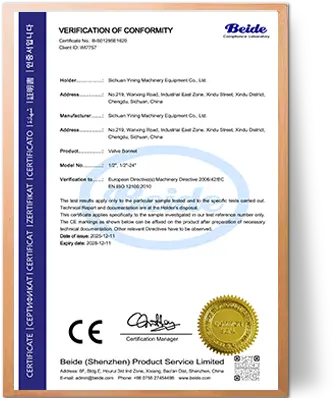
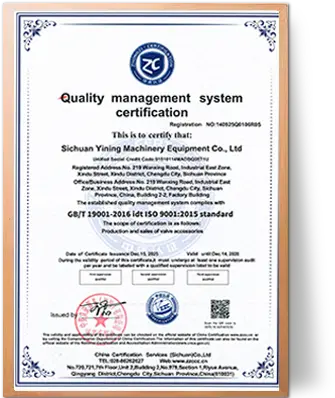
Established 2005 · ISO 9001 · CE Certified
Sichuan Yining Machinery Equipment Co., Ltd. was established in 2005 and specialises in the production and manufacturing of various types of industrial valves and precision valve components. Over nearly two decades, we have built deep expertise in multi-standard valve manufacturing—supporting ANSI, DIN, JIS, GB, and BS specifications from a single facility in Yibin, Sichuan.
We have always adhered to the business philosophy: "Quality is the boss, quality is our salary." Every product leaving our facility is inspected for dimensional accuracy, material compliance, surface treatment quality, thread specification, and pressure integrity before shipment.
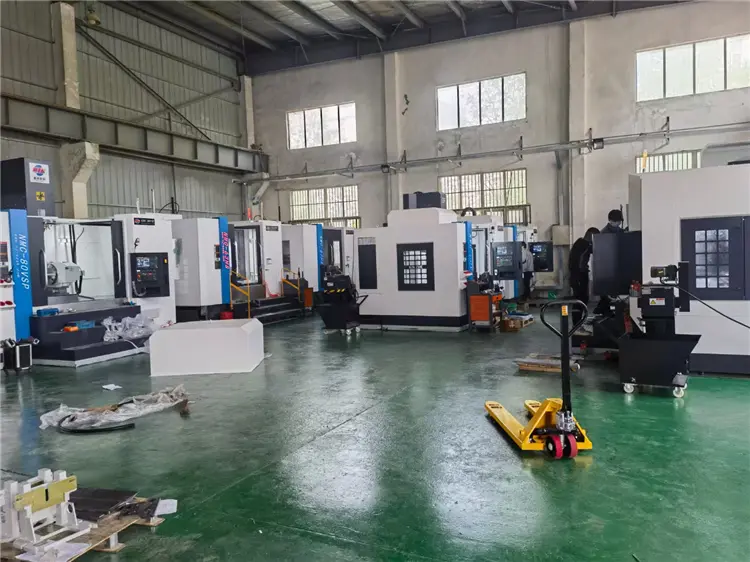
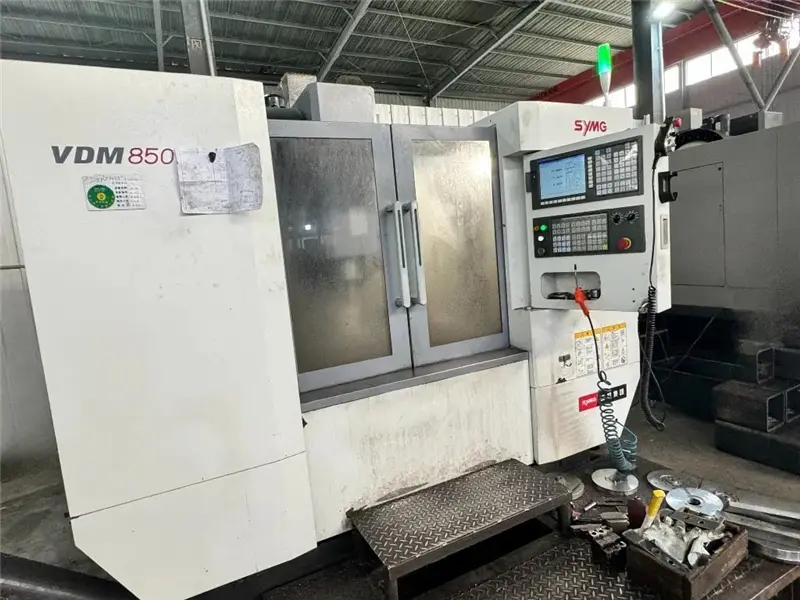
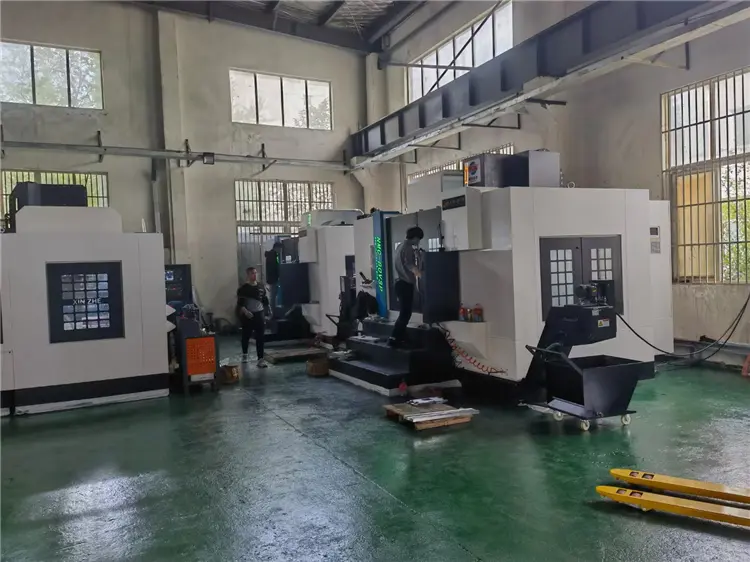
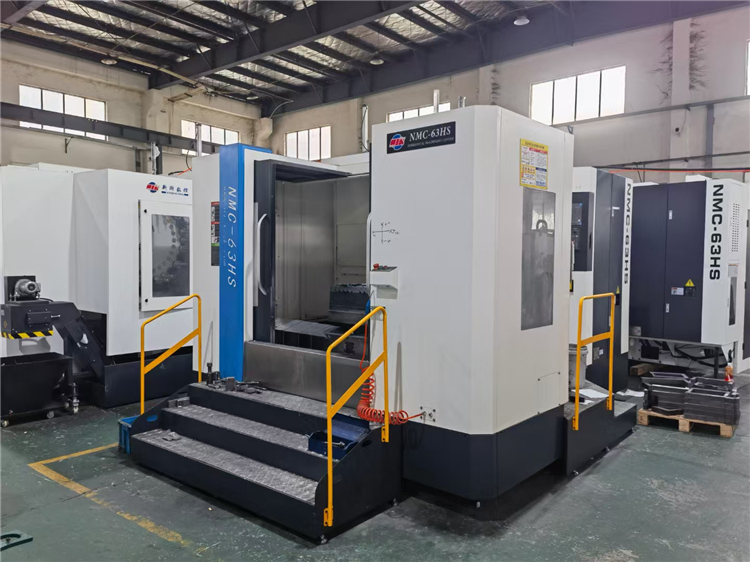
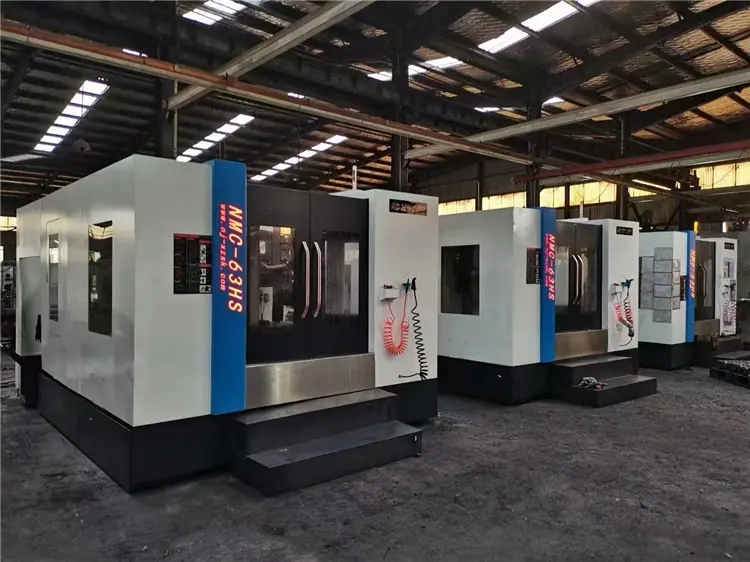
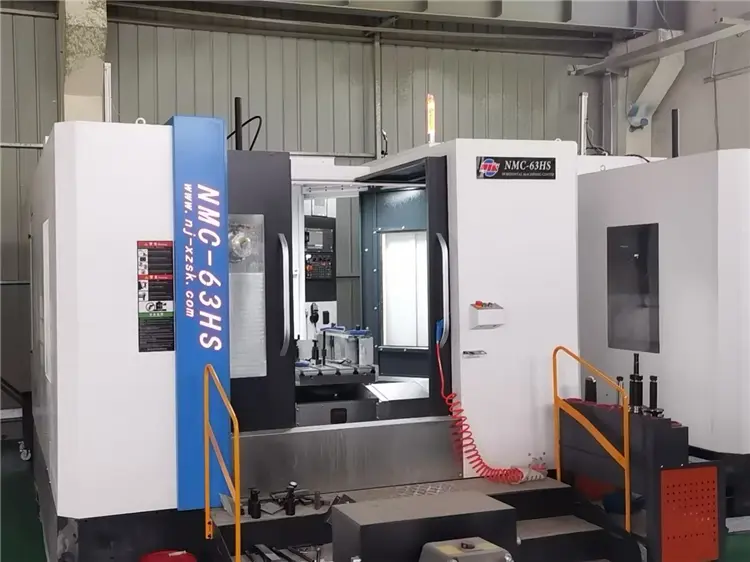
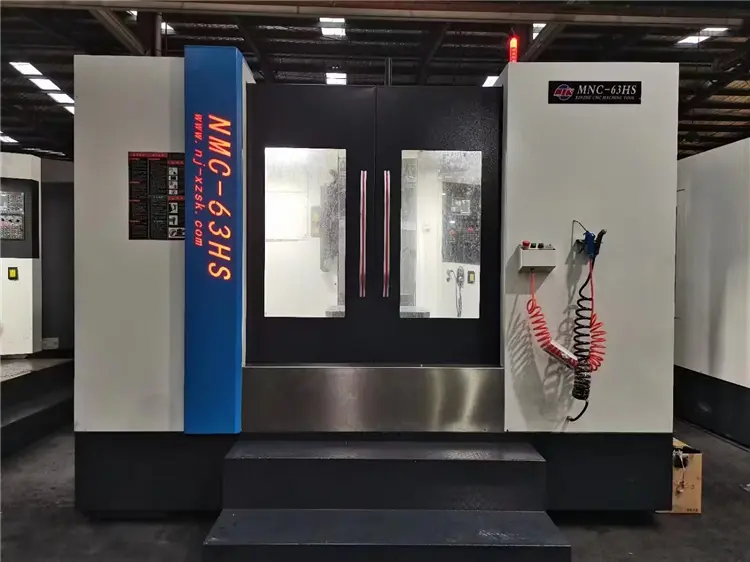
Our facility is equipped with CNC machining centres, forging and cold-forming equipment, and full physical-chemical testing capabilities. We machine carbon steel, stainless steel, alloy steel, and specialty materials including F304, F316, LF2, A105, 17-4PH, Monel 400, and XM-19—supporting custom production from customer drawings with no minimum order quantity restrictions on samples.
With ISO 9001 quality management certification and CE certification, we strictly follow international standards for production and quality control, ensuring every product meets both industry requirements and individual customer specifications.
 +86-15208308717
Certifications & Quality Standards
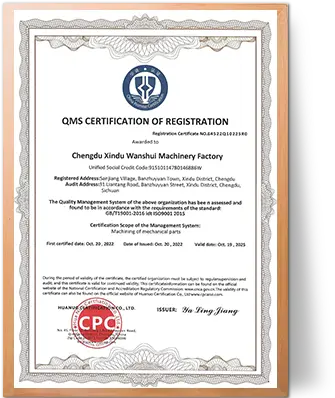
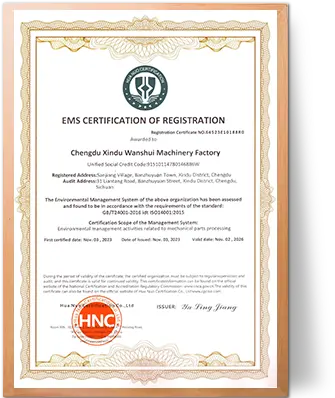
Our valve components are manufactured in accordance with GB, ANSI, JIS, DIN, and BS standards, meeting conformity requirements for international markets including Europe.

Why Choose Yining Machinery
In addition to comprehensive multi-standard product supply, our service level is outstanding. With rich industry experience, we deeply understand customer needs and meet all OEM customisation requirements—with on-time delivery and full after-sales support.
Complete OEM Valve Manufacturing Services
From single-piece samples to mass production batches, we support every stage of your valve procurement and customisation process.
⚙️ What We Can Offer You
Yining Machinery is a manufacturer specialising in precision industrial valve parts, with extensive experience in non-standard and multi-standard valve components. Our services cover:
- Sample processing (3–7 day turnaround)
- Valve & valve parts OEM/ODM service
- Mass production and rapid prototyping
- Custom valve body, stem, seat, seal ring, bracket
- Surface treatment: sandblasting, zinc plating, Dacromet, pickling passivation, polishing
- Multi-standard compliance: ANSI, DIN, JIS, GB, BS
🔄 Co-Operation Process
Our process is clear and efficient, easy for global customers to follow:
- Confirm drawings or samples
- Evaluate processing technology & standard compliance
- Quote and confirm delivery date
- Sample proofing or direct batch production
- Delivery and logistics tracking
- After-sales technical support
✅ Quality & Delivery Guarantee
Each batch of products is tested for dimensional accuracy, material grade, surface treatment, thread specification, and pressure integrity before leaving the factory.
We provide:
- Material test reports (MTR)
- Third-party inspection reports
- Dimensional inspection certificates
- Pressure test reports
Standard delivery: 15–25 days. Urgent parts can be prioritised.
🤝 Flexible Order Modes
We support all order sizes and structures:
- Sampling: 3–7 days for first-article samples
- Small batch: Low MOQ (negotiable)
- Mass production: Long-term batch capacity with multi-lot scheduling
- Payment: T/T, phased settlement
- Trade terms: FOB, CIF, EXW
🛡️ After-Sales Commitment
All products are factory-inspected and certified before shipment. If any quality issue arises during installation or service, we commit to:
- Response within 48 hours
- Return and exchange support
- Technical root-cause analysis assistance
- Long-term spare parts and maintenance service
📋 Standards We Support
Our engineering team can manufacture and certify valve components to any of the following standards:
- 🇺🇸 ANSI/ASME B16.5, B16.34, B16.10
- 🇩🇪 DIN EN 1092, EN 558, EN 12516
- 🇯🇵 JIS B2220, B2002, B2031
- 🇨🇳 GB/T 9113, GB 12221, GB 12224
- 🇬🇧 BS 1560, BS EN 1092
Need a cross-standard conversion for your project? Send us your specs →
Need Multi-Standard Valve Parts Manufactured to Your Drawings?
Whether your project calls for ANSI Class 600 gate valves, DIN PN40 globe valves, JIS 20K ball valves, or custom non-standard components — Yining Machinery delivers precision-machined parts with certified documentation, on-time delivery, and full after-sales support.
Sichuan Yining Machinery Equipment Co., Ltd. · Established 2005 · ISO 9001 · CE Certified
Supporting ANSI · DIN · JIS · GB · BS Standards · Custom OEM/ODM · 15–25 Day Lead Time