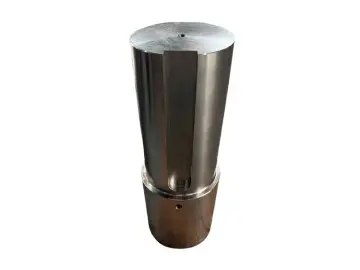
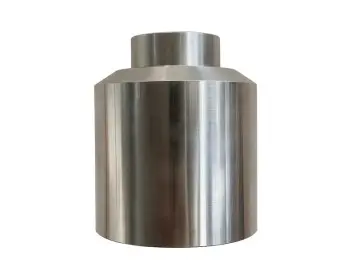
In modern industrial manufacturing, the seamless transmission of mechanical power and precise motion control are the cornerstones of operational efficiency. Among the various mechanical components that make this possible, the dual interface coupling stands out as a critical innovation. Historically, industrial mechanical linkages relied on basic, single-interface designs that often suffered from misalignment, high backlash, and rapid wear under heavy torque loads. The emergence of the dual interface coupling has revolutionized how engineers bridge the gap between power sources—such as electric, pneumatic, or hydraulic actuators—and driven components like industrial valve stems and heavy-duty shafts.
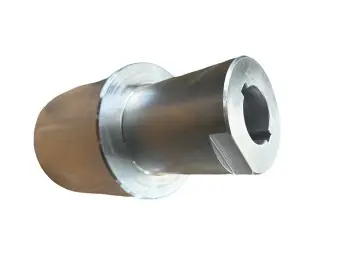
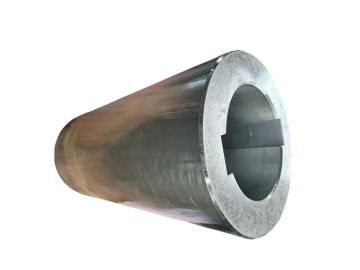
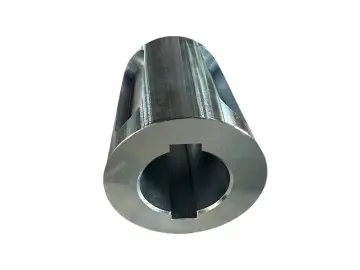
A dual interface coupling is engineered with two distinct, high-precision connection points, typically combining a square hole, keyway, or stepped bore configuration on opposite ends. This unique architectural layout allows the coupling to reconcile differing geometrical shafts, absorbing minor angular, parallel, or axial misalignments while ensuring zero-backlash torque transmission. In systems such as automated flow control, petrochemical refining, and heavy machinery manufacturing, these couplings act as the vital link that prevents mechanical fatigue, protects expensive actuators, and guarantees long-term process reliability.
"As automation systems transition to higher cycles and tighter tolerances, even a fraction of a millimeter of rotational play (backlash) in a valve coupling can lead to system-wide calibration errors. Dual interface couplings eliminate this vulnerability through precise geometry matching and superior material resilience."
The global market for industrial couplings is undergoing a significant transformation, driven by the rapid expansion of Industry 4.0 and automated manufacturing plants. Historically, standard off-the-shelf couplings were sufficient for manual operations. However, today's automated pipelines, robotic assembly lines, and high-speed packaging plants demand customized, high-performance connectors that can withstand continuous operational stress.
According to recent industrial market analyses, there is a surging demand for couplings constructed from advanced materials like 17-4PH precipitation-hardening stainless steel and galvanized carbon steel. Manufacturers are no longer looking for generic parts; they require custom-engineered shaft connectors that meet stringent international standards (such as ANSI, DIN, JIS, and BS). This shift is particularly evident in the valve and actuator sector, where the coupling must transition torque flawlessly between a square-stem actuator and a double-keyway valve shaft. As industries push for higher pressure ratings and extreme temperature tolerances, the dual interface coupling has moved from a simple accessory to a highly engineered, safety-critical component.
To fully appreciate the engineering value of dual interface couplings, it is essential to analyze how they perform in demanding real-world industrial environments. Below are the key sectors where these specialized components are indispensable:
In chemical processing, water treatment, and power generation plants, flow control is automated using pneumatic or electric actuators mounted directly onto valves. The interface between the actuator's output shaft and the valve stem is where the dual interface coupling performs its primary duty. The actuator often features a square drive, while the valve stem may feature a keyway or a stepped round shaft. The dual interface coupling bridges this geometric mismatch, ensuring that the rotational force is transferred without slipping. This precise connection is vital for modulating valves that adjust flow rates in real-time based on sensor feedback.
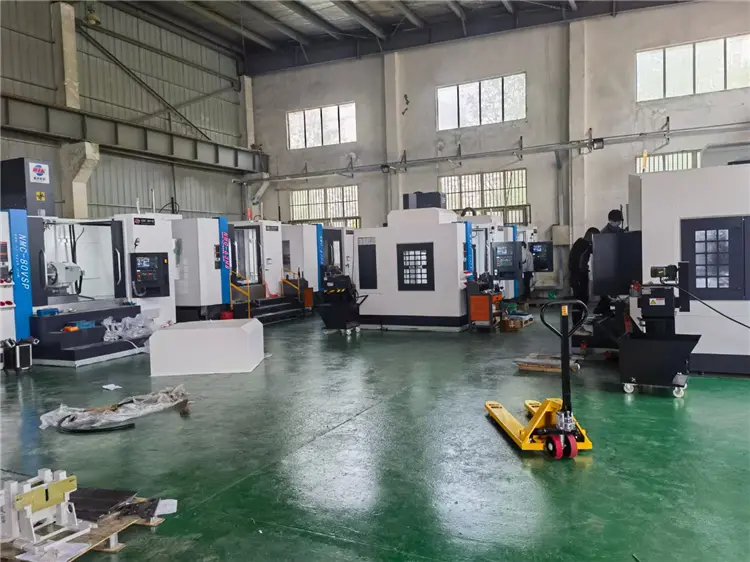
Chemical processing plants handle highly volatile, toxic, and corrosive substances. In these environments, standard carbon steel couplings would degrade rapidly, leading to mechanical failure and potentially catastrophic chemical leaks. Here, 17-4PH stainless steel valve couplings are utilized. The 17-4PH alloy offers an exceptional combination of high strength, hardness, and outstanding corrosion resistance. The dual interface design allows these couplings to maintain structural integrity under extreme torsional stress while resisting chemical attack from acids, bases, and high-temperature steam.
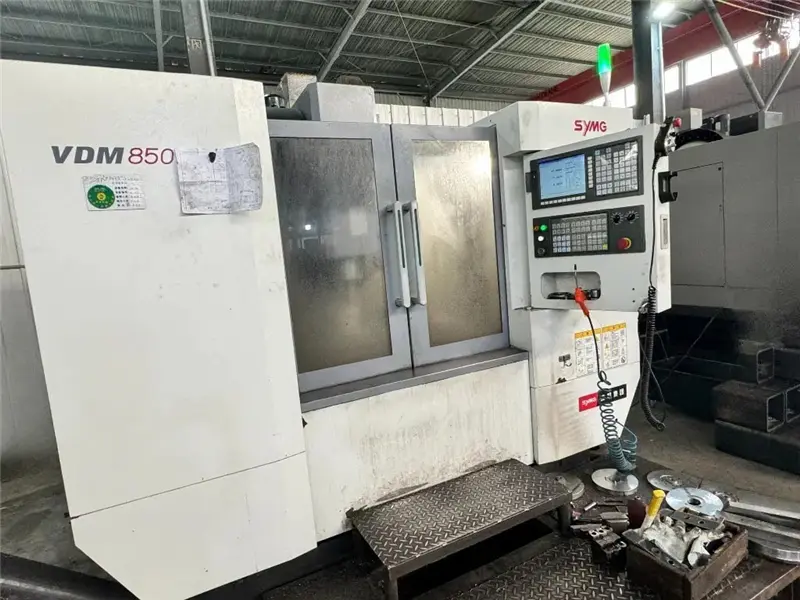
In heavy industrial machinery, such as conveyor systems, mining equipment, and large-scale pumps, shaft couplings must transmit massive amounts of torque. A stepped design with a double-keyway configuration ensures that the load is distributed evenly across the shaft, preventing key shearing and shaft deformation. The dual interface design allows the coupling to connect shafts of different diameters (stepped bore) while utilizing dual keyways to double the torque capacity compared to single-keyway alternatives. This is critical for preventing downtime in high-throughput manufacturing plants where a single mechanical failure can cost thousands of dollars per hour.
The performance of a dual interface coupling is fundamentally determined by two factors: its metallurgical composition and its geometric design. Selecting the right material is a balance between mechanical strength, environmental resistance, and manufacturing cost.
The geometry of a dual interface coupling is customized to match the specific mating shafts. A square hole coupling is designed to slide directly onto square valve stems, providing a highly secure, non-slip interface that is easy to assemble and disassemble. A keyway coupling utilizes a rectangular key inserted into matching slots on the shaft and coupling, which is highly effective for unidirectional or continuous rotation. The stepped design accommodates transitions between two different shaft diameters, eliminating the need for separate adapters and reducing the overall footprint of the mechanical assembly.
Established in 2005, Sichuan Yining Machinery Equipment Co., Ltd. is a premier manufacturer specializing in the production of high-performance industrial valves and custom finished valve accessories. Over the past two decades, we have dedicated ourselves to the valve industry, delivering top-tier engineering solutions and products to a diverse global clientele.
Our core business philosophy—"Quality is the boss, quality is our salary"—reflects our unwavering commitment to manufacturing excellence. We believe that stable, reliable product quality is the foundation of long-term international partnerships. We continuously invest in advanced manufacturing technologies, state-of-the-art testing equipment, and professional talent to ensure that our dual interface couplings and valve components set industry benchmarks for durability and precision.
Through conceptual innovation, technological breakthroughs, and rigorous management practices, Yining Machinery has established itself as a trusted OEM/ODM partner capable of translating complex customer drawings into high-precision, field-ready mechanical components.
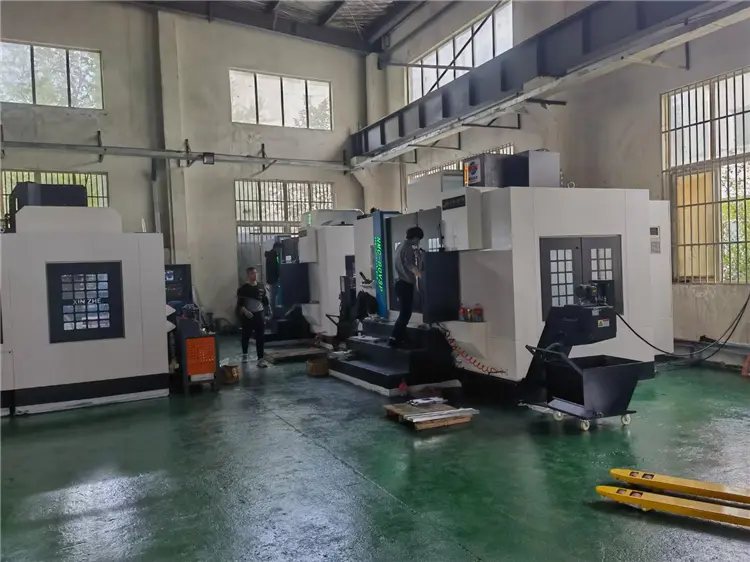
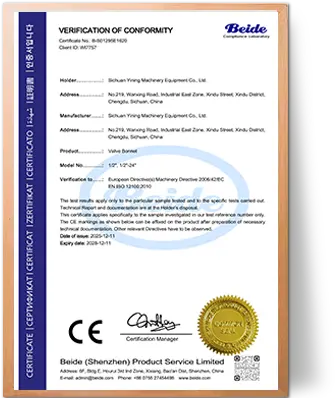
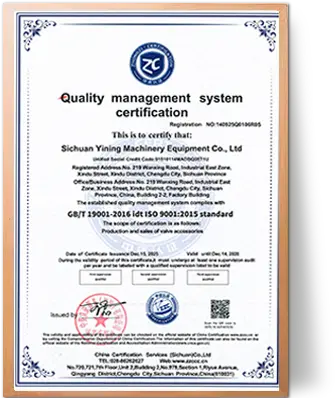
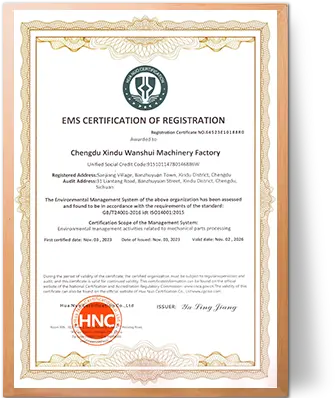
At Sichuan Yining Machinery, our production processes strictly adhere to global quality benchmarks. We operate under a certified ISO 9001 quality management system and hold CE certification, ensuring our products meet the rigorous safety and performance standards required in the European Economic Area and other global markets.
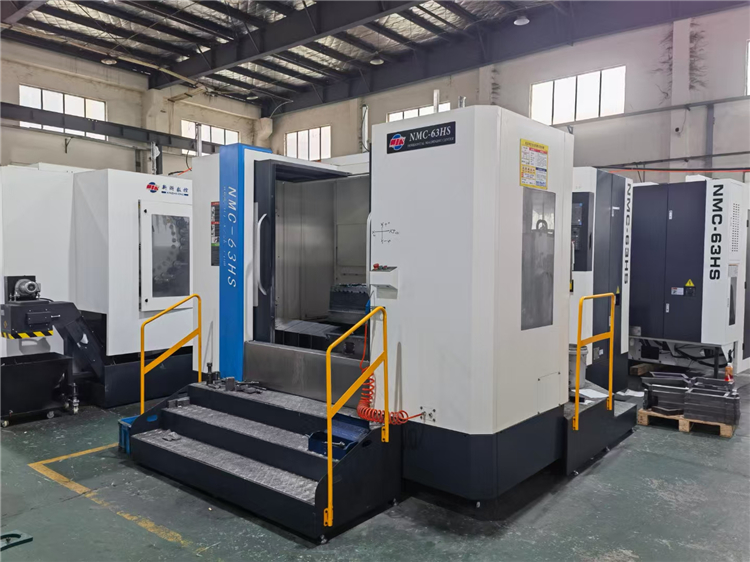
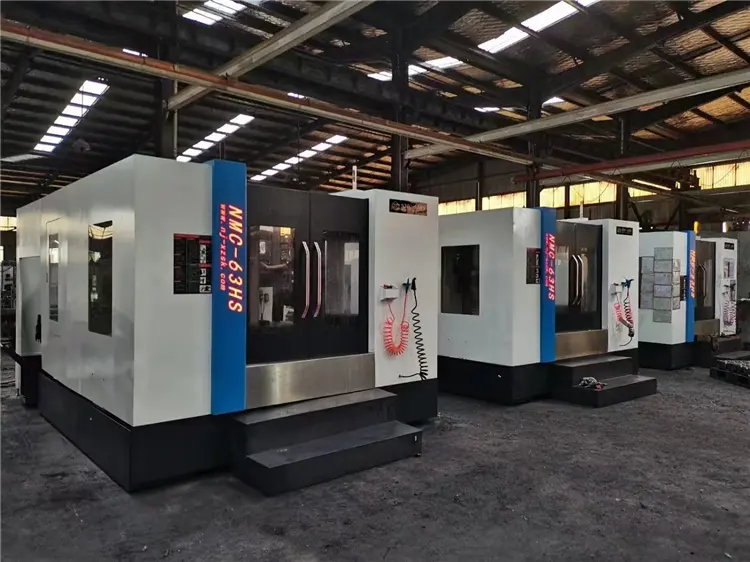
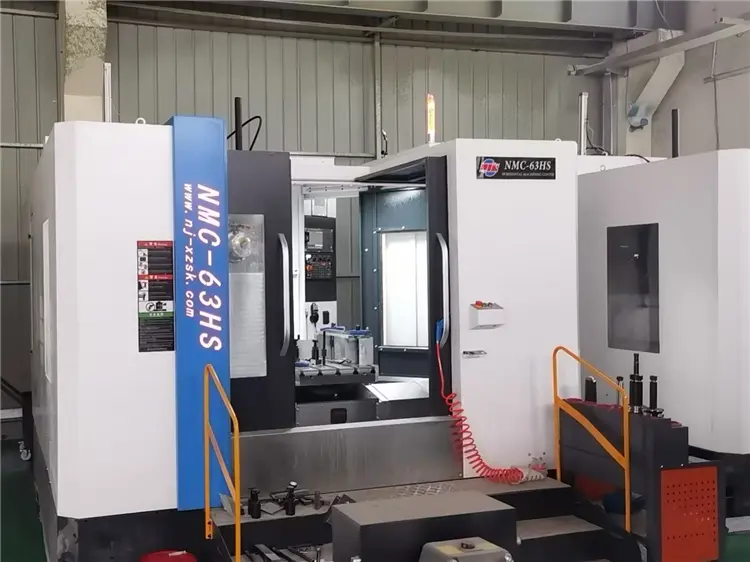
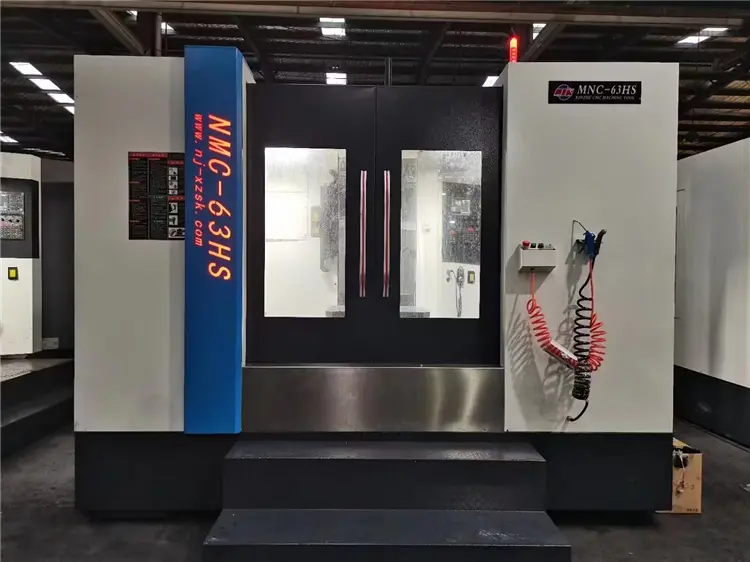
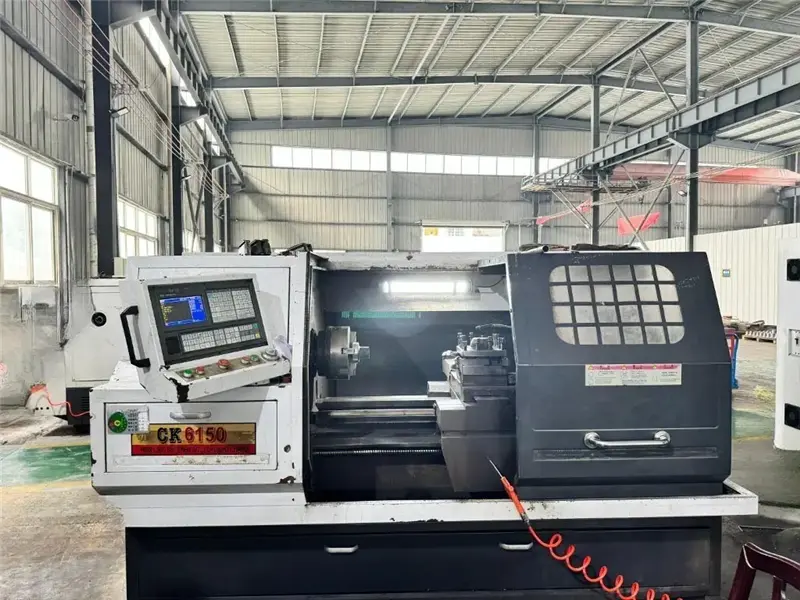
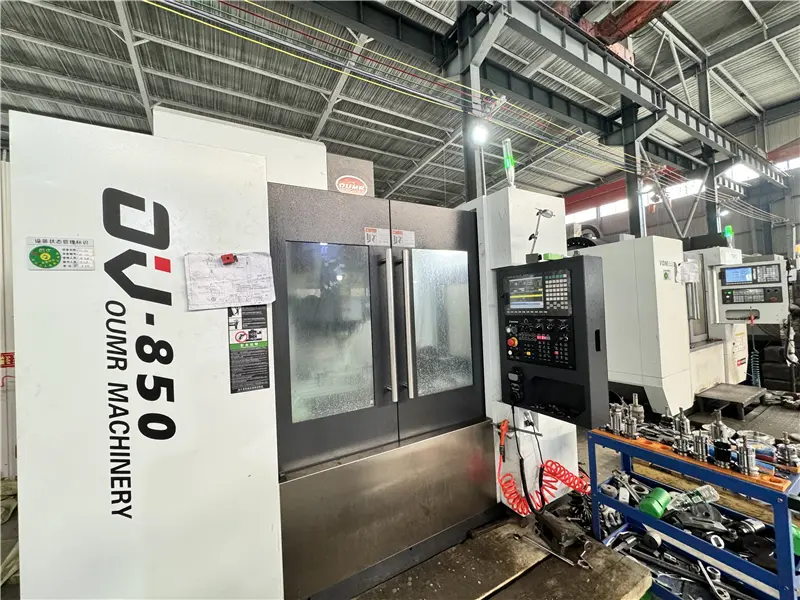
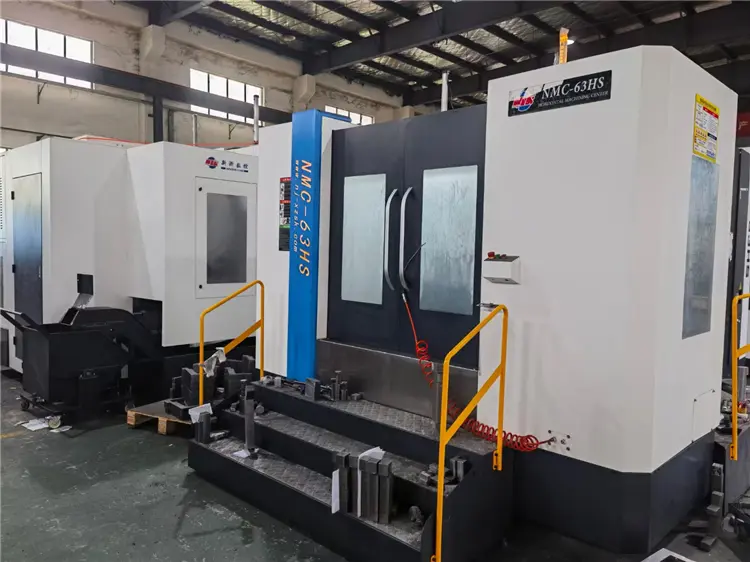
Our manufacturing facility is fully equipped with advanced CNC machines, machining centers, forging and cold forming equipment, and comprehensive physical and chemical testing laboratories. We manufacture valve components and dual interface couplings in accordance with major international standards, including:
We work with a wide range of materials, including carbon steel, stainless steel, alloy steel, and specialty materials such as 410, 420, F304, F316, LF2, A105, 17-4PH, Monel 400, and XM-19, supporting custom production fully tailored to customer-provided engineering drawings.


As industrial manufacturing moves closer to autonomous operations, the components that connect machinery must evolve in parallel. One of the most prominent trends is the integration of smart technology into mechanical couplings. Researchers and forward-thinking manufacturers are exploring the use of embedded strain gauges and wireless sensors within couplings to monitor torque transmission and mechanical wear in real-time. This concept, known as "smart coupling," allows operators to predict failures before they occur, shifting maintenance schedules from reactive to predictive, thereby minimizing costly unplanned downtime.
Additionally, the push for global decarbonization is driving changes in material processing. Green manufacturing techniques, such as using recycled alloys and low-emission heat treatment processes, are becoming standard. In terms of design, advanced computer-aided engineering (CAE) and finite element analysis (FEA) allow manufacturers like Sichuan Yining Machinery to optimize the weight-to-strength ratio of couplings. By removing excess material from low-stress areas, modern dual interface couplings can reduce rotational inertia, which improves the energy efficiency of the electric actuators driving the systems.
Sichuan Yining Machinery Equipment Co., Ltd. is committed to becoming a trusted partner of global valve companies. Our engineering team is ready to analyze your technical drawings and provide optimized solutions for your specific application scenarios.



 +86-15208308717