What is a Valve Body Gasket and its Importance in Automotive Applications
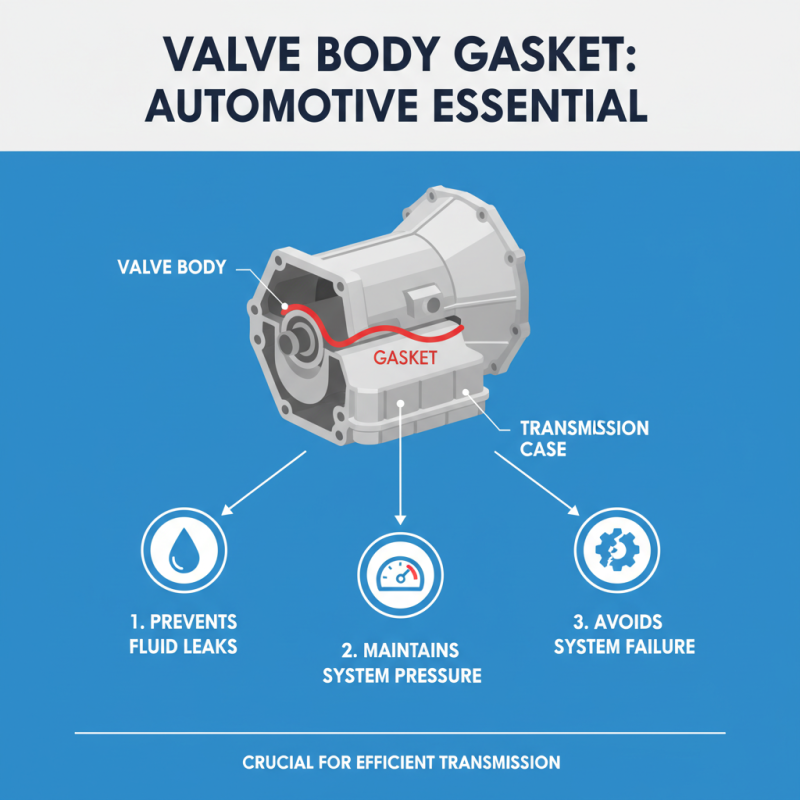
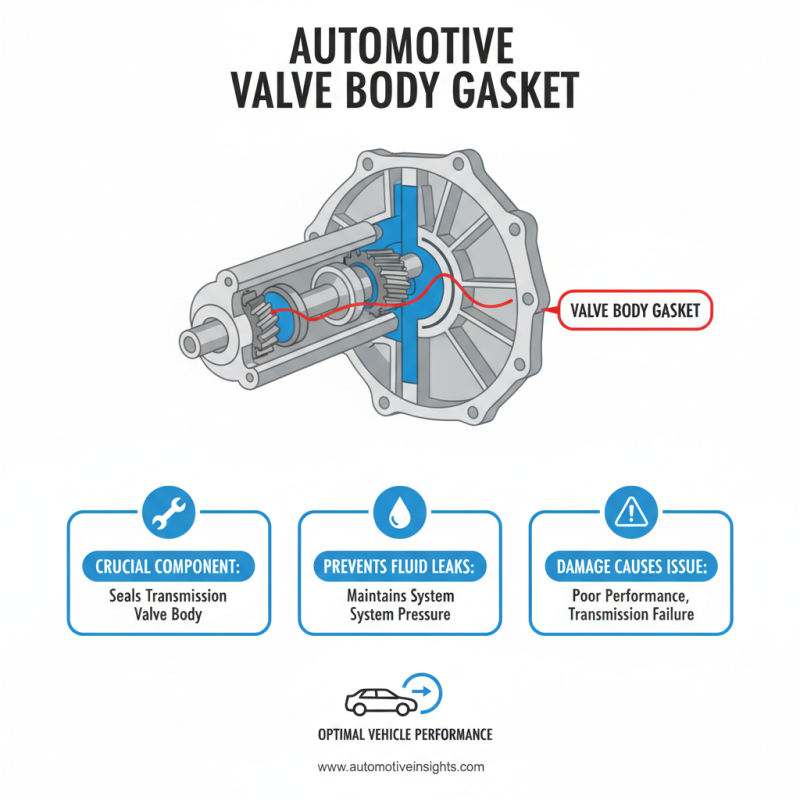
The Valve Body Gasket plays a crucial role in automotive applications. It acts as a seal between the valve body and the transmission housing. This essential component prevents fluid leaks and maintains pressure within the transmission system. Without a properly functioning gasket, serious issues can arise, leading to costly repairs.
In the intricate world of automotive engineering, the Valve Body Gasket deserves more attention. It is often overlooked until a problem occurs. Fluid leakage may seem minor, but it can escalate quickly. Drivers may notice strange noises or shifting issues. Ignoring a damaged gasket can compromise the entire transmission system.
Considering the engineered components, one must reflect on the importance of routine maintenance. Many car owners neglect this aspect. A simple check could prevent major failures down the line. Ultimately, understanding the function and importance of the Valve Body Gasket is essential for any vehicle owner. It serves as a reminder of the complexity behind every car's operation.
What is a Valve Body Gasket?
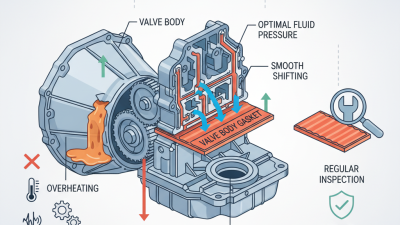
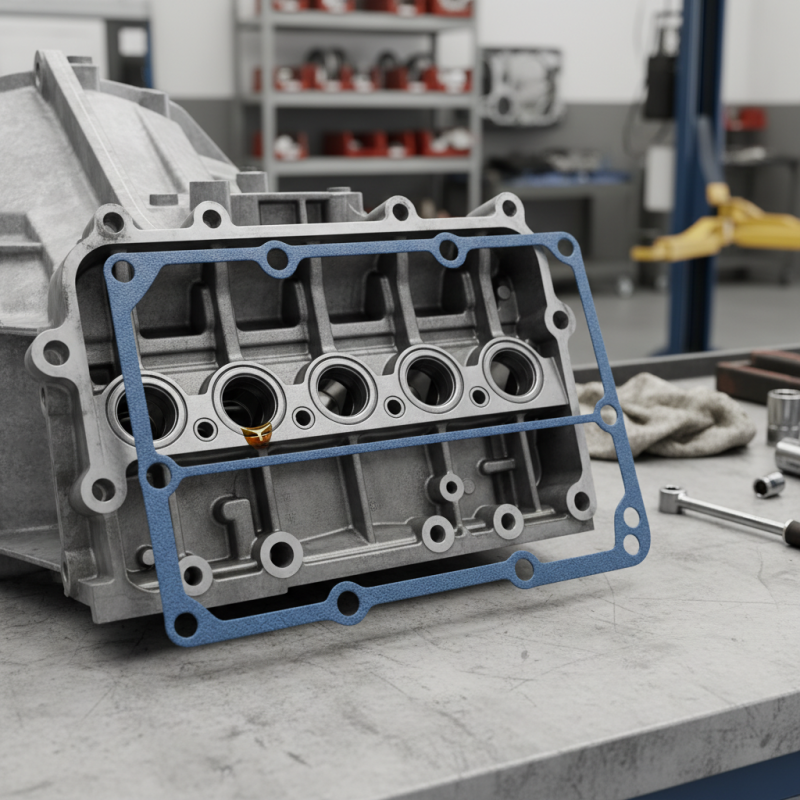
A valve body gasket is a crucial component in automatic transmissions. It acts as a seal between the valve body and the transmission case. This gasket prevents fluid leaks that can lead to transmission failure. A secure seal allows the transmission to operate smoothly and efficiently.
Reports reveal that improper sealing can lead to a 20% increase in wear on transmission parts. When the valve body gasket is damaged, fluid cannot circulate properly. This can result in overheating and shifting problems. Regular inspections can help catch issues early.
Tips: Check your transmission fluid levels regularly. Low levels can indicate a gasket leak. Pay attention to any unusual noises from the transmission. Addressing small issues early can prevent costly repairs. Remember, not all gaskets are created equal. Quality matters.
What is a Valve Body Gasket and its Importance in Automotive Applications
| Dimension |
Value |
Importance |
| Material |
Rubber / Silicone |
Provides flexibility and durability against heat and pressure. |
| Thickness |
2mm - 4mm |
Affects sealing capability and resistance to leaks. |
| Temperature Range |
-40°C to 120°C |
Ensures performance in extreme conditions typical in automotive environments. |
| Function |
Seals Transmission Fluid |
Prevents fluid leakage and maintains hydraulic pressure necessary for transmission operation. |
| Lifespan |
50,000 - 100,000 miles |
Long durability contributes to overall transmission reliability and performance. |
Components of a Valve Body Gasket
A valve body gasket is a crucial component in various automotive systems. It acts as a seal between the valve body and the transmission case. This seal prevents fluid leaks, maintaining efficient pressure within the system. Without this gasket, the risk of fluid loss increases, leading to potential system failure.
Components of a valve body gasket include rubber or silicone materials, which provide flexibility and durability. These materials need to withstand high temperatures and pressures. A well-designed gasket will feature a specific thickness that ensures a tight seal. Poorly manufactured gaskets may lead to leaks, which can cause significant damage.
Regular inspection is key. Sometimes, a gasket can wear down unexpectedly. Signs of wear include fluid spots under the vehicle. Replacing a damaged gasket immediately can prevent further complications. Therefore, understanding these components can save time and money in the long run.
Functions of a Valve Body Gasket in Vehicles
A valve body gasket plays a crucial role in a vehicle's transmission. It serves as a seal between the valve body and the transmission case. This gasket prevents fluid leaks, which can significantly affect performance. According to industry reports, even minor leaks can lead to costly repairs. A compromised gasket can result in poor shifting, erratic transmission behavior, and reduced efficiency.
One essential function of the valve body gasket is to maintain hydraulic pressure. This pressure is vital for the operation of various transmission components. If the gasket fails, it can disrupt this pressure. In some cases, it can cause the transmission to overheat or even fail entirely. Regular maintenance checks can help you catch issues early. Inspect the gasket for any signs of wear or damage.
Tip: When changing the transmission fluid, consider the condition of the valve body gasket. Replacing it may prevent future leaks. Keeping an eye on fluid levels is also essential. Low fluid levels can lead to overheating. A faulty gasket can lead to frustrating and expensive problems down the road.
Common Issues Caused by Faulty Valve Body Gaskets
A valve body gasket is crucial in automotive systems, particularly in transmissions. This component seals the valve body, preventing fluid leaks. A damaged gasket can lead to severe issues, impacting the vehicle's performance.
Common problems arise from faulty valve body gaskets. Fluid leaks are one of them. This can cause low transmission fluid levels, leading to erratic shifting. Drivers may notice slipping gears or rough transitions. Over time, this can cause significant damage to the transmission, leading to costly repairs.
Another issue is overheating. A failed gasket allows overheating fluid to escape, resulting in a drop in pressure. This can create shifting delays and even complete transmission failure. It’s important to check the gasket regularly, as a small leak might turn into a big problem. Ignoring these signs often results in more extensive damage down the road. Regular maintenance can prevent these issues and ensure a vehicle runs smoothly.
Replacement and Maintenance of Valve Body Gaskets
Valve body gaskets play a critical role in the performance of an automotive transmission. They provide a sealing surface between the valve body and the transmission case. Over time, these gaskets can wear down due to heat, pressure, and fluid exposure. This deterioration can lead to fluid leaks, which can compromise transmission performance. Reports indicate that nearly 20% of transmission failures are linked to gasket issues.
Regular maintenance and timely replacement of valve body gaskets are essential. Mechanics recommend inspecting these gaskets during routine transmission service. If the gasket shows signs of wear or leaks, replacing it can prevent costly repairs. Delaying replacement can lead to more significant issues, including reduced efficiency and increased oil consumption.
The average lifespan of a valve body gasket varies, but many can last between 60,000 to 100,000 miles. However, this does not mean they should be neglected. Each vehicle operates under different conditions. Extreme temperatures or heavy towing can shorten the gasket's life. Ignoring signs of wear can result in transmission fluid loss and overheating risks. Keeping an eye on fluid levels and checking for leaks can help maintain optimal performance.