What is a Valve Body Gasket and Why Does It Matter?
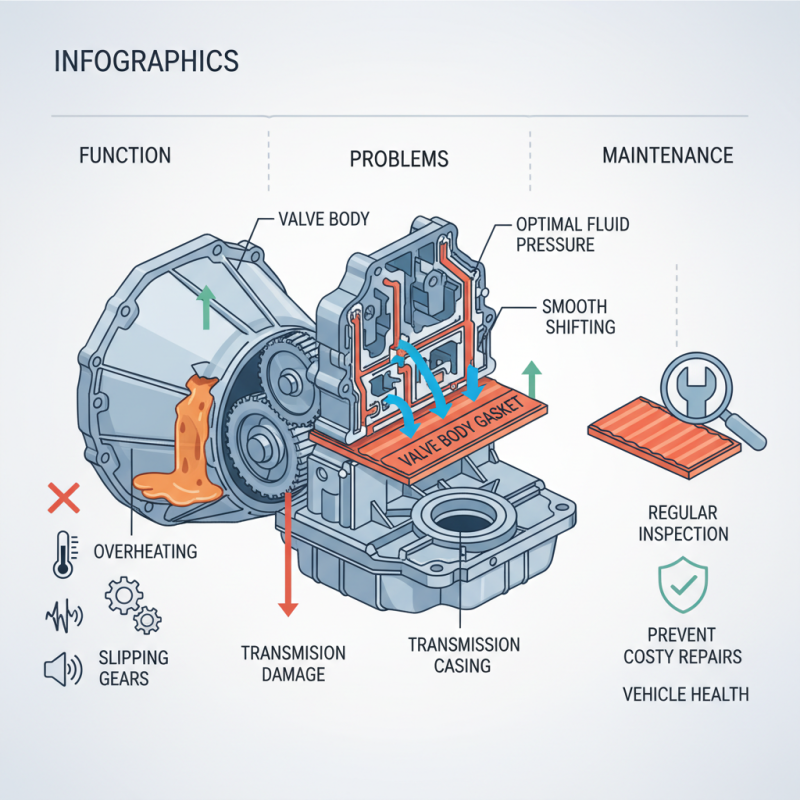
The Valve Body Gasket plays a crucial role in automotive systems. It seals the valve body, which is vital for transmission performance. A well-functioning gasket prevents leaks, ensuring optimal fluid pressure. This pressure directly affects gear shifting and overall vehicle efficiency.
Neglecting the Valve Body Gasket can lead to significant issues. Fluid leaks can cause overheating and eventually damage the transmission. Drivers may notice warning signs, such as slipping gears or strange noises. These problems are not just minor inconveniences; they can escalate quickly.
Understanding the importance of the Valve Body Gasket is essential for vehicle maintenance. Regular inspections could prevent costly repairs. A little attention to this small component can safeguard your vehicle's health. Ignoring it may lead to unforeseen troubles. Reflect on your maintenance habits and consider the impact of this vital gasket.
What is a Valve Body Gasket?
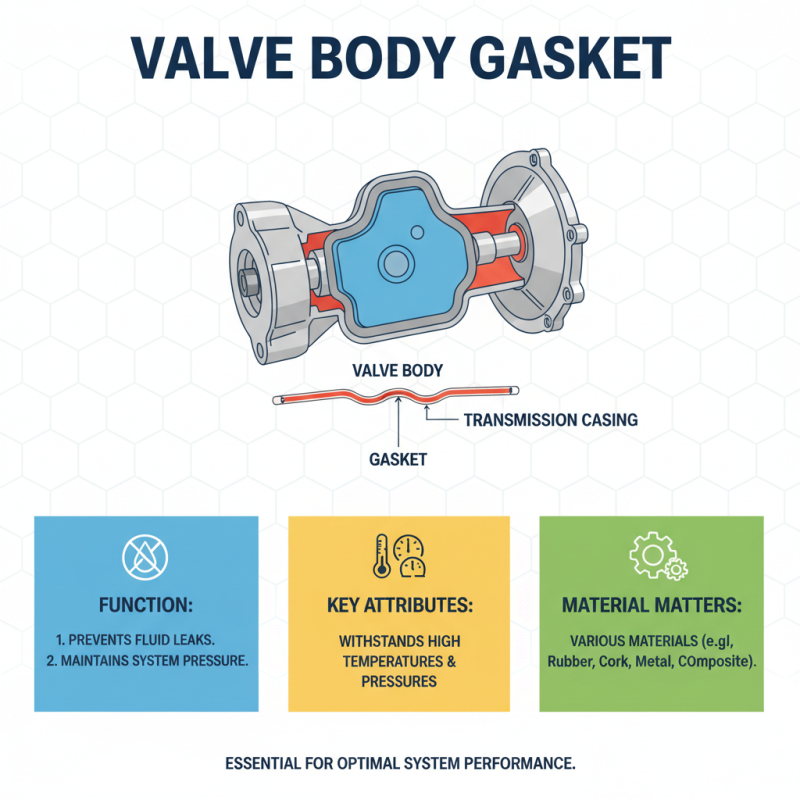
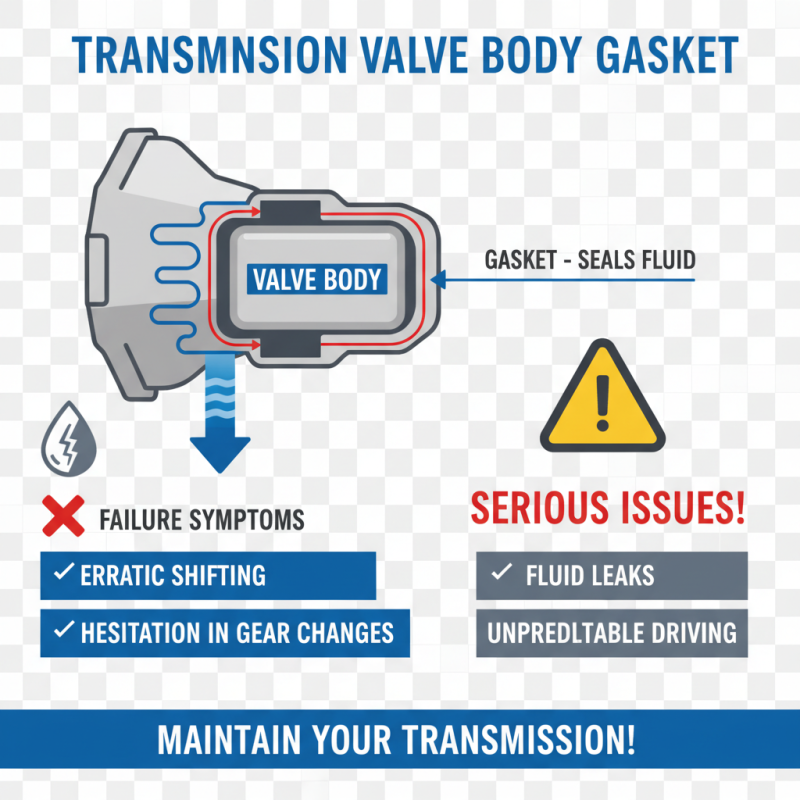
A valve body gasket is an essential component in many mechanical systems. It serves as a sealing material between the valve body and the transmission casing. This gasket prevents fluid leaks and helps maintain optimal pressure within the system. Made from various materials, it needs to withstand high temperatures and pressures.
When the valve body gasket deteriorates, it can lead to significant problems. Fluid leaks may occur, causing performance issues. Over time, heat and vibration can wear out the gasket. Without proper sealing, the system may fail to operate efficiently. Regular inspections can help catch potential issues early on. Neglecting this aspect may lead to costly repairs down the line.
A properly functioning gasket matters for smooth operations. It ensures hydraulic fluid remains contained. This containment is crucial for the system’s reliability. Cheaper gaskets may seem appealing but could fail quickly. Investing in a quality gasket pays off in the long run. Continuously monitoring the state of the valve body gasket is vital for overall performance.
How Does a Valve Body Gasket Function in Transmission Systems?
The valve body gasket plays a vital role in transmission systems. It seals the valve body, preventing fluid leaks. Without proper sealing, transmission fluid can escape. This leads to poor performance and potential damage. A well-functioning gasket ensures optimal pressure within the system. When the pressure is right, shifting gears becomes smoother.
Maintaining the gasket is crucial. Over time, gaskets can wear out. This wear can lead to leaks. Regular inspections can help identify issues early. If you notice fluid pooling under your vehicle, it's time for a check. Don’t ignore these signs.
**Tip:** Use high-quality fluids to extend the life of your gasket. They can help prevent excessive wear.
A faulty gasket can lead to more significant problems. Replacing it can be messy and expensive. Understanding its function helps you care for it. Small issues can grow into serious repairs if neglected. Pay attention to your transmission system; it’s worth it.
**Tip:** Schedule routine maintenance for your transmission. Don't wait until problems arise. Early detection can save time and money.
Importance of Proper Installation and Maintenance of Valve Body Gaskets
Valve body gaskets are crucial in ensuring a vehicle's transmission operates smoothly. A proper installation prevents fluid leaks and protects against dirt and debris. When a gasket is compromised, the entire system can suffer. Fluid contamination can lead to costly repairs and decreased performance.
Regular maintenance checks are essential. Inspect valve body gaskets for any signs of wear or damage. Replace them if you notice any leaks. Old or worn gaskets can cause overheating and shifting issues.
Tips for installation: Always clean the surfaces before applying a new gasket. Use a torque wrench to tighten bolts evenly. This helps avoid warping or misalignment. Ensure the gasket is seated properly to prevent leaks. Taking these steps can prolong the life of your transmission system. Neglecting maintenance could lead to unexpected failures. Be proactive and attentive to these details.
Signs That Your Valve Body Gasket Needs Replacement
A valve body gasket plays a crucial role in ensuring proper fluid sealing within transmission systems. Over time, these gaskets can wear out, leading to leaks and diminished performance. Identifying when a valve body gasket needs replacement is key to maintaining your vehicle’s health.
Look for signs like fluid puddles underneath your car. If you notice transmission fluid leaking, it’s a red flag. A burnt smell or unusual noises can also indicate issues. Inconsistent shifting or slipping gears might hint at gasket failure. Ignoring these symptoms can lead to more severe damage. Small leaks can quickly escalate into significant problems.
Regular inspections are vital. If you spot minor leaks, don’t delay. Repairing a faulty gasket early can prevent expensive repairs later on. Keep an eye on your vehicle’s performance, and trust your instincts. Unexplained issues deserve attention. Choose to act before it’s too late.
Understanding Valve Body Gasket Lifespan