Top 10 Valve Body Types You Should Know?
In the world of fluid control systems, the valve body plays a crucial role. Recent industry reports suggest that the market for valve bodies is expected to grow significantly. By 2025, the global valve body market is projected to reach approximately $20 billion. Understanding different valve body types is essential for engineers and technicians alike. Each type offers unique advantages and disadvantages.
Choosing the right valve body can impact efficiency and reliability. For example, a well-designed valve body enhances flow control. Yet, many professionals struggle to identify the most suitable option. Knowledge gaps may lead to suboptimal choices. This complexity is why familiarizing oneself with the various valve body types is vital. Insight into their specifications can prevent costly mistakes.
With numerous designs on the market, it is not easy to navigate. However, improving one's understanding of these components will pave the way for better decision-making. Taking the time to explore the top 10 valve body types can lead to optimized operations and increased system longevity.
Overview of Valve Body Types in Automotive Applications
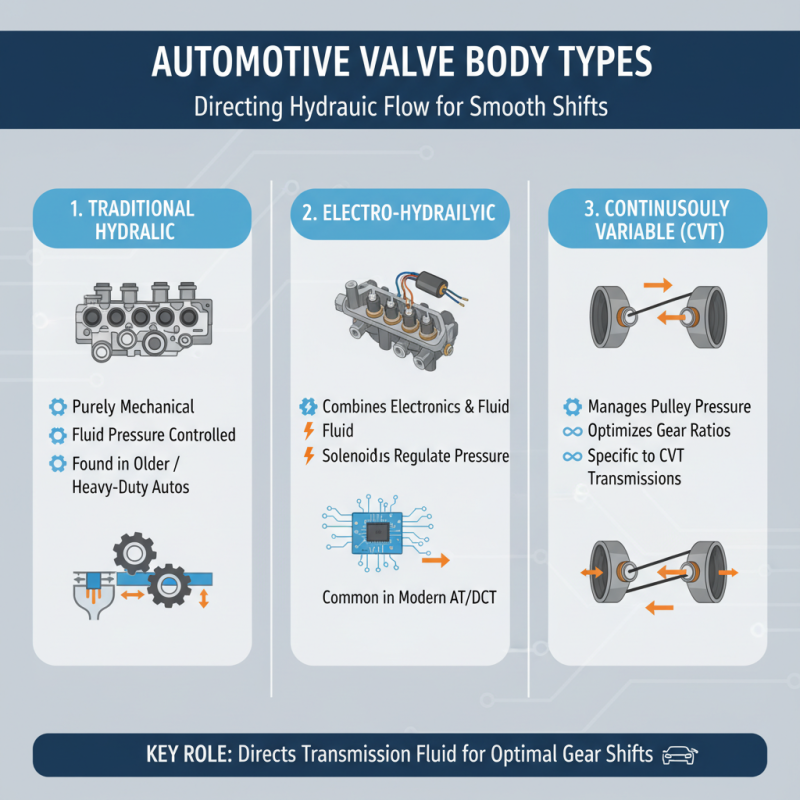
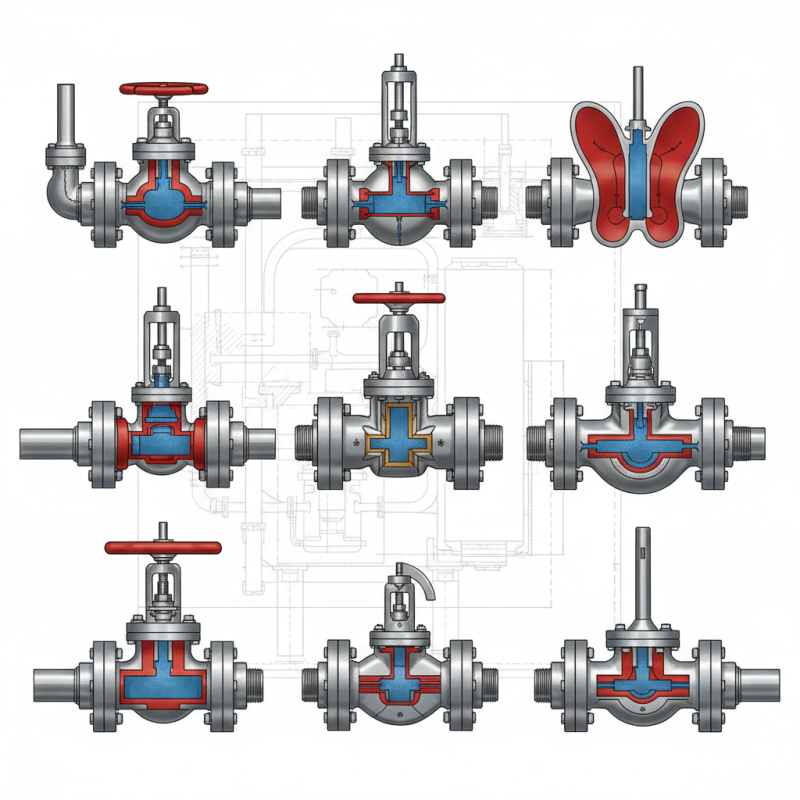
When exploring valve body types in automotive applications, it’s vital to understand their roles. A valve body is responsible for directing hydraulic fluid throughout the transmission system. Proper function ensures smooth gear shifts. Several designs exist, each with its own characteristics.
One common type is the solenoid valve body. It uses electromagnetic solenoids to control fluid flow. These can enhance the precision of shifts. However, they may be more complex and prone to failures. Another type is the hydraulic valve body. This relies on mechanical pressure to operate. While more straightforward, it may lack the responsiveness of solenoid types.
Understanding these distinctions can aid in maintenance and repair. Each model may wear differently over time. Some may require regular inspection to avoid failure. Technicians must identify specific issues early. Awareness and knowledge of these valve bodies will lead to more reliable automotive performance.
Key Features and Functions of Popular Valve Body Designs
When discussing valve body types, it’s essential to understand their key features and functions. Each valve body design plays a unique role in fluid control. For instance, a simple spool valve can effectively manage flow in a straightforward manner, while a more complex rotary valve provides precise control over flow direction.
Understanding your project’s needs helps in selecting the right valve type. Are you focusing on efficiency, or do you require robust control? Consider factors like pressure ratings, material compatibility, and environmental influences. Smaller systems may benefit from poppet valves due to their compact design, yet larger systems often need the reliability of butterfly or ball valves.
**Tip:** Regular maintenance of valve bodies is crucial. Over time, wear can affect performance. Inspect seals and seats frequently.
Another aspect to reflect on is the practical application of valve bodies in various industries. Hydraulic systems often use cartridge valves for their compactness. However, they can have limited adjustability. Understanding these trade-offs is necessary for effective system design. Seeking expert advice can often clarify these complicated issues.
**Tip:** Document any valve performance issues. This data can help identify patterns in failures and inform future selections.
Comparative Analysis of Hydraulic vs. Electronic Valve Bodies
Hydraulic and electronic valve bodies represent two fundamental approaches in the automotive industry. Hydraulic valve bodies have been the standard for decades. They rely on fluid pressure to control shifting, delivering consistent performance under various conditions. According to a report by the Society of Automotive Engineers, nearly 70% of vehicles still utilize hydraulic systems due to their reliability and simplicity. However, they can struggle with efficiency. Fluid dynamics can lead to delays in shifting and increased wear over time.
On the other hand, electronic valve bodies offer more precision. They utilize sensors and control modules to adjust shifting in real time. This results in smoother transitions and improved fuel efficiency. A study from Frost & Sullivan indicates that electronic systems can improve fuel economy by up to 15% compared to hydraulic designs. Nevertheless, they also come with challenges. Electronic systems can be sensitive to environmental factors, and repairs can be costlier. The reliability of software and sensors can vary widely.
Both types have their pros and cons. The choice between hydraulic and electronic valve bodies often leads to debate among engineers and manufacturers. As technology evolves, so too will the exploration of these systems. Striking a balance between traditional reliability and modern efficiency remains a complex task. Balancing cost, performance, and reliability is crucial in this ever-changing landscape.
Comparison of Hydraulic and Electronic Valve Bodies
Performance Metrics: Efficiency and Response Time of Valve Bodies
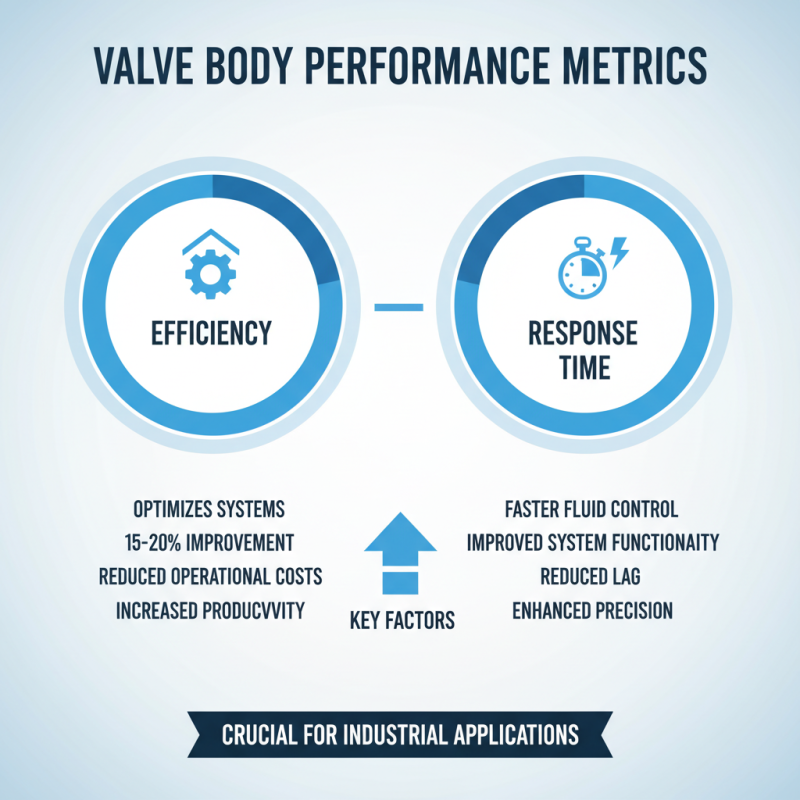
Understanding the performance metrics of valve bodies is crucial for optimizing systems in various industrial applications. Efficiency and response time are key factors that directly impact the functionality of these components. Studies indicate that the right valve body type can enhance system overall efficiency by 15-20%. This improvement can significantly reduce operational costs and improve productivity.
Response time can vary widely among valve body types. High-performance valve bodies often have response times as low as 100 milliseconds, making them suitable for applications requiring fast adjustments. Conversely, traditional designs may lag, with response times exceeding 500 milliseconds. This delay can hinder process efficiency and lead to instability in operations.
Tip: Consider regular maintenance checks. Proper upkeep can prevent delays and ensure optimal response times.
Selecting the right valve body requires careful analysis of your specific needs. A thorough evaluation of pressure drop, flow rates, and system compatibility is essential. Some might overlook the importance of material compatibility, which can affect the longevity and performance.
Tip: Always consult technical reports or expert opinions. This can help guide your decision-making process and improve system performance.
Industry Trends and Innovations in Valve Body Technology
Innovations in valve body technology are transforming various industries. These advancements enhance efficiency, reduce waste, and improve safety. One notable trend is the integration of smart technology in valve systems. Sensors and automation allow for real-time monitoring and control, making processes more responsive.
Another trend is the development of new materials for valve bodies. Companies are exploring lightweight composites that provide durability without sacrificing performance. These materials are not only strong but also resistant to corrosion. However, the challenge lies in balancing cost and performance when selecting materials.
Sustainability is also a crucial focus. The industry is shifting towards eco-friendly manufacturing processes. This shift promotes the use of recyclable materials and lowers emissions during production. These changes indicate a significant mindset shift, urging manufacturers to adopt greener practices. Yet, the path to widespread adoption remains complex and often requires further exploration and innovation.
Top 10 Valve Body Types You Should Know
| Valve Type |
Material |
Common Applications |
Advantages |
Disadvantages |
| Ball Valve |
Stainless Steel |
Water, Oil, Gas |
Good flow capacity, low pressure drop |
Limited throttling capability |
| Gate Valve |
Cast Iron |
Pipelines, Waterworks |
Minimal pressure drop |
Slow operation |
| Globe Valve |
Brass |
Steam, Oil, Water |
Excellent throttling capability |
Higher pressure drop |
| Check Valve |
PVC |
Wastewater, HVAC |
Prevents backflow |
Limited to specific flow direction |
| Butterfly Valve |
Aluminum |
HVAC, Oil & Gas |
Compact and lightweight |
May leak under certain conditions |
| Diaphragm Valve |
Rubber |
Water Treatment, Chemicals |
Good for corrosive fluids |
Not suitable for high-pressure applications |
| Pressure Relief Valve |
Stainless Steel |
Oil & Gas, Power Plants |
Prevents overpressure situations |
Requires periodic maintenance |
| Flow Control Valve |
Brass |
Water Systems, Irrigation |
Precise flow management |
Can be costly for large systems |
| Solenoid Valve |
Plastic, Brass |
Automation, Sprinkler Systems |
Remote control capability |
Dependent on power supply |
| Pinch Valve |
Rubber |
Slurry, Wastewater |
Good for abrasive materials |
Limited flow control |