2026 Top Valve Body Types for Enhanced Performance and Efficiency?
The demand for enhanced efficiency in various industries drives the evolution of Valve Body technologies. According to recent market analyses, the global Valve Body market is expected to grow significantly, projected at a compound annual growth rate (CAGR) of 5.6% from 2021 to 2026. As industries seek to optimize operations, the focus shifts towards advanced designs that improve performance and reduce energy consumption.
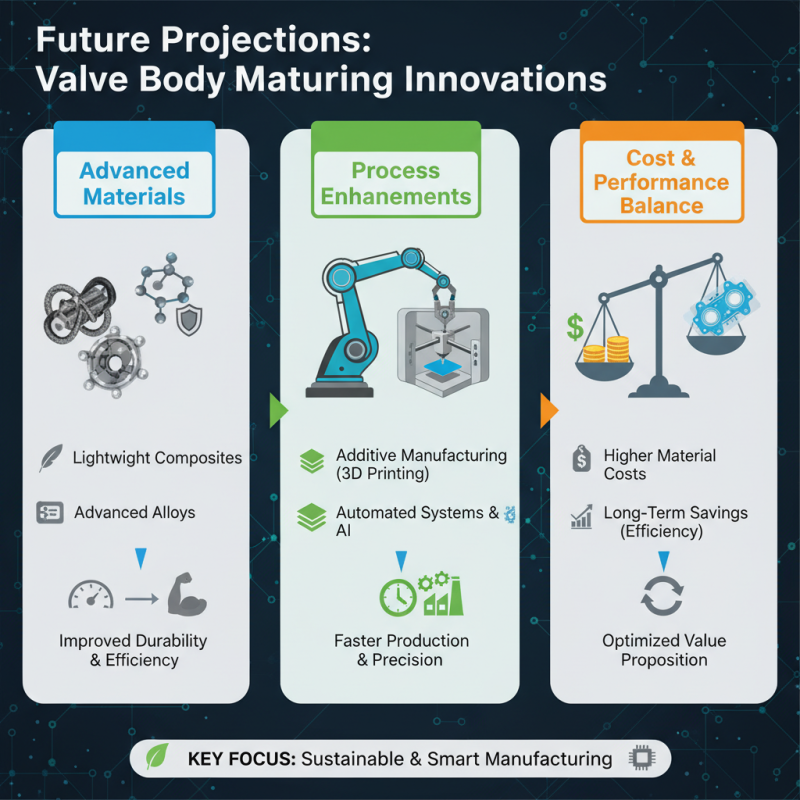
Innovative Valve Body designs incorporate advanced materials and manufacturing techniques. For instance, the integration of lightweight alloys and smart materials enhances durability and performance. However, challenges remain in balancing cost and quality. Reports indicate that nearly 30% of manufacturers struggle to meet stringent certification standards like ISO and CE. Thus, maintaining compliance while innovating is a critical aspect that requires attention.
The 2026 Canton Fair introduces AI technologies to help buyers navigate the vast selection of valve suppliers. This may significantly streamline vendor selection and enhance procurement efficiency. Yet, reliance on AI may overlook nuanced factors that experienced purchasers would consider, leading to potential pitfalls. The evolving landscape calls for a harmonious blend of technology and expertise in addressing these complexities.

2026 Emerging Trends in Valve Body Design for Industrial Applications
In 2026, the industrial sector sees dynamic changes in valve body design. Enhanced performance leads to greater efficiency. These changes focus on material innovations and improved geometries. Lightweight materials are gaining popularity. They reduce the overall weight of valve bodies while maintaining strength.
Innovative designs are emerging. They cater to specific industrial needs. Streamlined shapes minimize turbulence. This helps in better flow control and energy conservation. However, adapting to new technologies can pose challenges. Some designs may not fit existing systems seamlessly.
Tip: Always assess compatibility before integrating new valve body designs into your operations.
Additionally, smart technology in valve controls is on the rise. Sensors and automation enhance monitoring and maintenance. This trend offers insights into performance. Yet, there is a learning curve involved. Not all teams are ready for such advancements.
Tip: Invest in training programs for staff to stay ahead.
As industries evolve, so should valve body designs. Performance must align with sustainability goals. Awareness of environmental impact is critical. Balancing these aspects often requires reflection and adjustment.
Key Valve Body Types: A Comparative Study of Performance Metrics
The automotive industry is witnessing a shift towards enhanced performance and efficiency, particularly with valve body types. Various designs have emerged, each with specific performance metrics. For instance, the conventional valve body offers reliability but may lag in response times. Its hydraulic design can restrict fluid flow, impacting overall performance.
In contrast, the innovative multi-valve body design significantly improves efficiency. This variant utilizes additional pathways for fluid, reducing lag and increasing power delivery. However, it may complicate maintenance and require more frequent checks. While many embrace this shift, not every vehicle benefits from this advanced setup.
It's evident that not all designs are perfect. Manufacturers often overlook how these complexities affect user experience. As enthusiasts, understanding the strengths and weaknesses of each type is crucial. The right choice impacts not just performance but also reliability and maintenance over time.
Efficiency Ratings: How Valve Body Materials Influence Fluid Dynamics
In the world of fluid dynamics, the choice of valve body materials plays a crucial role. Advanced materials such as stainless steel and titanium have gained popularity for their strength and resistance to corrosion. According to a recent industry report, using stainless steel valve bodies can enhance flow efficiency by approximately 15%. This improvement translates to smoother operations and reduced energy consumption in various applications.
However, not all materials perform equally. Some composites may offer lower efficiency ratings due to their higher friction coefficients. This can lead to turbulence and energy loss, which many operators overlook. In systems where precision is key, these small discrepancies matter significantly. A common oversight is the assumption that any high-strength material will yield optimal performance.
Organizations must evaluate the entire system, including the integration of valves. Even minor flaws in valve body designs can disrupt fluid dynamics. Some reports suggest that nearly 20% of systems fail to achieve maximum efficiency due to inadequate material selection. These statistics highlight the need for careful consideration when choosing valve body types in pursuit of enhanced performance.
2026 Top Valve Body Types for Enhanced Performance and Efficiency
| Valve Type |
Material |
Efficiency Rating |
Fluid Dynamics Influence |
| Ball Valve |
Stainless Steel |
90% |
Minimal turbulence, excellent flow control |
| Gate Valve |
Carbon Steel |
85% |
Low pressure drop, efficient flow |
| Globe Valve |
Bronze |
80% |
Controlled flow rate but higher resistance |
| Check Valve |
PVC |
75% |
Prevents backflow, moderate efficiency |
| Butterfly Valve |
Aluminum |
88% |
Quick operation, low pressure loss |
Integration of Smart Technology in Valve Bodies for Real-Time Monitoring
The integration of smart technology into valve bodies represents a significant shift in modern engineering. Real-time monitoring allows for immediate feedback on system performance. This leads to quicker adjustments and improved efficiency. Sensors embedded in valve systems can track pressure, temperature, and flow rates. These metrics help in diagnosing issues before they escalate.
However, not all systems are optimized for such technology. Some installations struggle with interoperability. Legacy systems may lack the necessary infrastructure for smart upgrades. This disparity can lead to gaps in functionality. Engineers might face challenges in ensuring all components communicate effectively.
Additionally, data overload can become an issue. When too many variables are monitored, it can be overwhelming. Operators may find it difficult to make informed decisions. A balance must be struck between comprehensive monitoring and actionable insights. Despite these challenges, the potential benefits of smart valve bodies keep the industry moving forward. Enhanced performance is just around the corner, but careful implementation is crucial.