Top 10 High Pressure Valves You Need to Know About?
High pressure valves are critical components in various industries. They manage the flow of liquids and gases under extreme conditions. According to a report by MarketsandMarkets, the global high pressure valve market is expected to reach $10 billion by 2025. This growth reflects the increasing demand for efficient pressure control in oil and gas, petrochemical, and power generation sectors.
Expert John Smith, a renowned authority in high pressure valve technology, emphasizes, “Choosing the right high pressure valve can significantly improve system reliability.” However, the complexity of valve selection often leads to oversight. Many industries still rely on outdated models. This can result in inefficiencies and safety risks, raising questions about operational standards.
The challenge lies in balancing cost and performance. While some modern valves boast durability, others might lack necessary certifications. The industry must improve its focus on innovation. Emphasizing quality over temporary savings is key. A nuanced understanding of high pressure valves can drive better decisions, ultimately enhancing safety and efficiency.
Top Features of High Pressure Valves in Industrial Applications
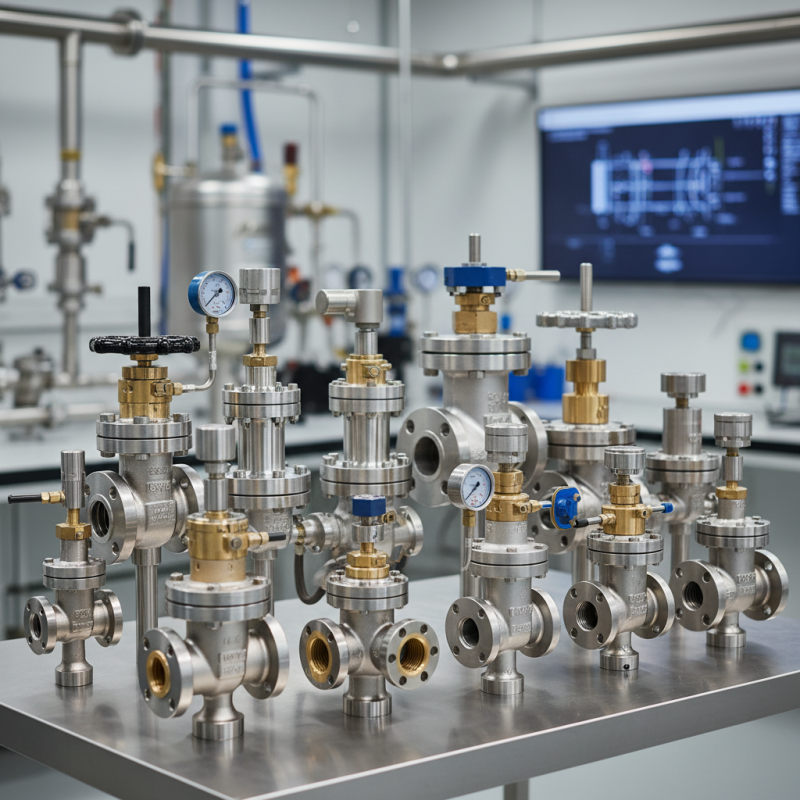
High pressure valves are critical in many industrial applications. They control and manage the flow of liquids and gases in various systems. A recent industry report indicates that the demand for these valves will grow by 5.5% annually through 2025. This growth reflects their essential role in energy, water treatment, and manufacturing sectors.
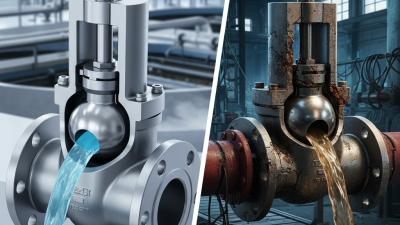
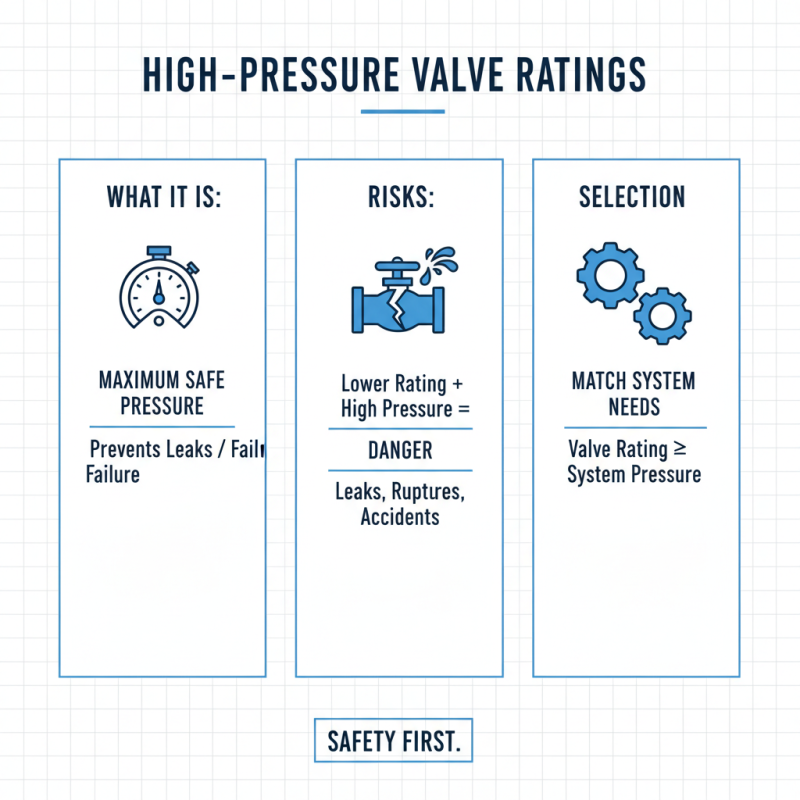
The primary features of high pressure valves include durability and resistance to extreme conditions. Many are designed to handle pressures up to 10,000 PSI or more. They often utilize advanced materials like stainless steel or reinforced alloys. However, not all valves meet these rigorous requirements. Some may corrode faster than expected, leading to safety issues. According to a study, nearly 25% of valve failures are linked to inadequate material selection.
Another key feature is the valve's sealing capability. Effective seals prevent leaks, which can be hazardous. The right design minimizes risks of blowouts or dangerous emissions. Yet, achieving a perfect seal is challenging. In many cases, improper installation or maintenance affects performance. It is crucial to prioritize regular inspections and updates on operational protocols.
Top 10 High Pressure Valves You Need to Know About
| Valve Type |
Max Pressure (psi) |
Material |
Temperature Range (°F) |
Applications |
| Globe Valve |
3000 |
Stainless Steel |
-20 to 400 |
Water, Oil, Gas |
| Gate Valve |
2500 |
Carbon Steel |
-40 to 200 |
Petrochemical, Water Supply |
| Ball Valve |
1500 |
Brass |
-10 to 250 |
Water, Oil, Natural Gas |
| Check Valve |
2000 |
Ductile Iron |
-20 to 300 |
HVAC Systems, Water Systems |
| Butterfly Valve |
1500 |
PVC |
-15 to 180 |
Water Treatment, Chemical Processing |
| Pressure Relief Valve |
3000 |
Stainless Steel |
-40 to 400 |
Chemical Plants, Oil Refineries |
| Solenoid Valve |
1500 |
Plastic |
-10 to 120 |
Irrigation, Water Distribution |
| Plug Valve |
2000 |
Cast Iron |
-20 to 300 |
Oil and Gas, Water Supply |
| Diaphragm Valve |
500 |
Plastic |
-10 to 120 |
Pharmaceuticals, Food Processing |
| Pneumatic Valve |
2000 |
Aluminum |
-10 to 180 |
Industrial Automation, Manufacturing |
Common Materials Used in High Pressure Valve Manufacturing
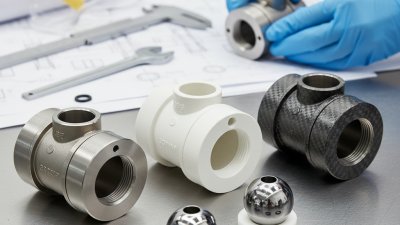
High pressure valves are crucial in various industries. Their effectiveness largely depends on the materials used in their construction. Common materials include stainless steel, carbon steel, and bronze. Each material has unique properties, making it suitable for specific applications. For instance, stainless steel offers excellent corrosion resistance and durability.
Bronze, on the other hand, is known for its strength and good wear resistance. It is often used in environments with high temperatures. Carbon steel is less expensive but may not perform well in corrosive conditions. Selecting the right material can be challenging. Each has limitations that can impact performance. It’s essential to consider factors such as pressure, temperature, and the media being controlled.
Often, manufacturers test various combinations to identify the best fit. However, they may overlook emerging materials like plastic composites. These newer options can be lightweight and function well in many situations. As industries evolve, so do material choices. Staying updated with trends is vital for optimal performance of high pressure valves.
Key Manufacturers and Market Trends in High Pressure Valves
High pressure valves are critical in various industries. Their reliability and durability can significantly impact operational efficiency. Manufacturers focus on materials that withstand extreme conditions. Common materials include stainless steel and special alloys. These choices can determine valve lifespan and performance.
Market trends indicate a growing demand for automation. Automated high pressure valves provide better control and efficiency. Companies invest in smart technology for predictive maintenance. However, implementing these solutions can be challenging. Integration with existing systems may not always be seamless.
Tips: Always evaluate the operating environment. Consider factors like temperature and pressure ratings before making a choice. This ensures optimal performance. Additionally, regular maintenance can prevent costly downtime. Track performance over time to identify potential issues early. Remember, a small oversight can lead to significant problems.
Applications of High Pressure Valves Across Various Industries
High pressure valves play a critical role in numerous industries. They are essential in oil and gas applications, managing the flow of raw materials. These valves control high-pressure systems to ensure safety and efficiency. In chemical plants, they are vital in handling corrosive substances. Proper material selection is key for durability. However, improper use can lead to leaks and safety hazards.
In the water treatment industry, high pressure valves regulate water flow under extreme conditions. They help in filtering and treating water effectively. Yet, their maintenance can be overlooked. Regular checks are necessary to prevent failures. In power generation, these valves manage steam and gas flows. An error in pressure control may result in costly downtime.
Despite their importance, operators must remain vigilant. Sometimes, even minor adjustments can lead to significant improvements. Each industry has its unique requirements, and high pressure valves must adapt. They demand continuous innovation to meet the evolving standards. Reflecting on their usage helps to enhance reliability and performance.
Top 10 High Pressure Valves: Applications Across Various Industries