Top 10 Best Stainless Valve Stems for Optimal Performance?
In the world of automotive performance, the quality of each component matters. The "Stainless Valve Stem" stands out as a crucial part. Renowned expert Dr. Emily Carter states, "A reliable valve stem can significantly enhance engine efficiency." This highlights the importance of selecting high-quality parts.
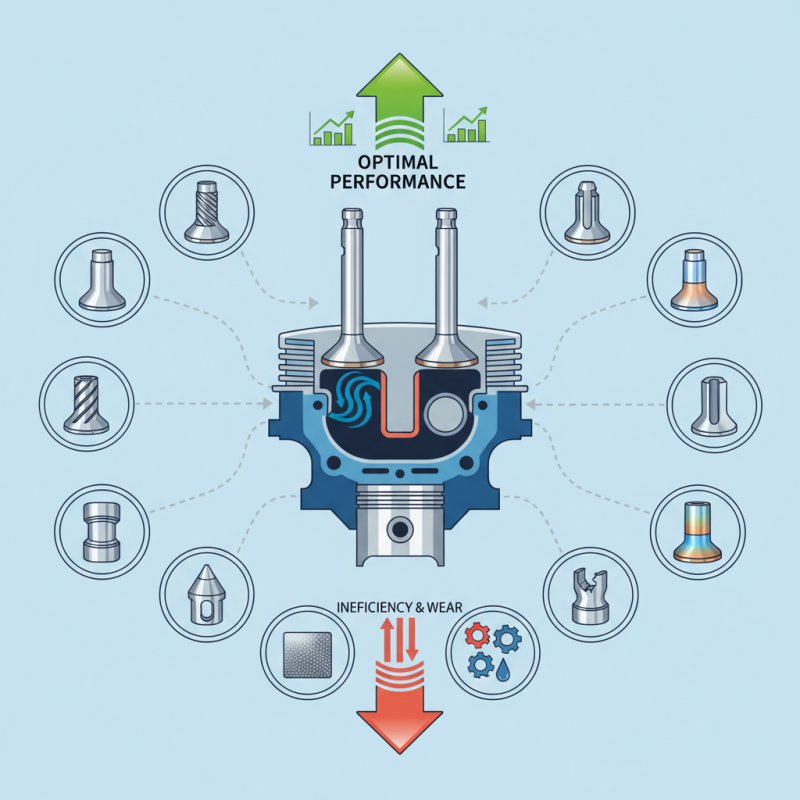
When it comes to stainless valve stems, not all options are equal. The right choice influences leakage rates and overall performance. Poorly made stems may lead to inefficiencies and increased wear. Therefore, it’s essential to know which products provide the best durability and performance.
Many users underestimate the role of stainless valve stems in their engines. They may overlook signs of wear or corrosion, which can lead to bigger issues down the line. Investing in top-notch stainless valve stems is not just recommended; it's vital for optimal engine performance. Without the right parts, even the best engines may fall short.
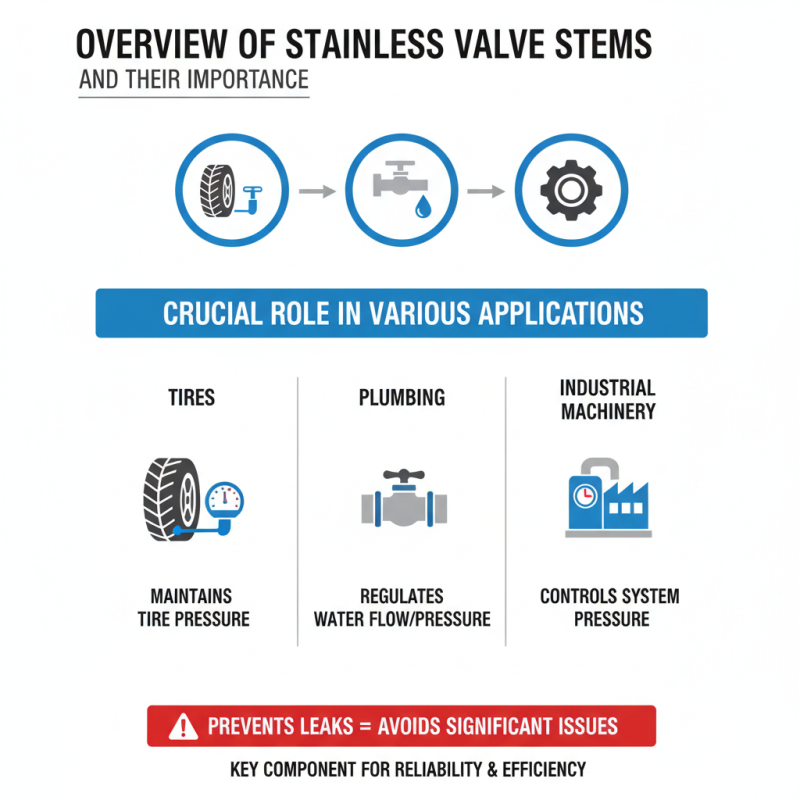
Overview of Stainless Valve Stems and Their Importance
Stainless valve stems play a crucial role in various applications. They are used in tires, plumbing, and industrial machinery. These components help maintain pressure levels. A well-functioning valve stem prevents leaks, which can lead to significant issues.
Creating a reliable seal is essential. Stainless steel offers corrosion resistance. This feature extends the lifespan of the valve stem. However, some may overlook the importance of regular inspections. Wear and tear can go unnoticed, leading to eventual failures. Proper maintenance is key to optimal performance.
Selection matters too. Not all stainless valve stems are created equal. Quality varies widely, and this affects functionality. In some cases, choosing a low-quality option might seem cost-effective. Yet, this can lead to higher expenses down the line. Understanding the importance of these components will help in making informed decisions.
Key Features to Consider When Choosing Valve Stems
When selecting stainless valve stems, several key features can significantly impact performance. Material quality is crucial. Superior stainless steel offers increased corrosion resistance. According to industry reports, high-quality stainless steel can extend the lifespan of valve components by up to 30%. This longevity is vital in environments with extreme temperatures or corrosive elements.
Another essential factor is the design of the valve stem. Precision engineering ensures a proper fit and reduces the risk of leaks. A study showed that poorly designed valve stems can lead to a 15% efficiency loss in pressure maintenance. This inefficiency can inflate costs over time, affecting overall operations.
It’s also important to consider the size options available. Different applications require specific dimensions, and the wrong size can compromise performance. Inadequate sizing may lead to higher wear rates and even premature failure. Each choice should be informed by real-world use cases and performance reports, keeping in mind potential pitfalls. The balance between quality, design, and size is not always clear-cut, making careful evaluation critical.
Top 10 Best Stainless Valve Stems for Optimal Performance
Top 10 Stainless Valve Stems and Their Specifications
When selecting stainless valve stems, understanding their specifications is crucial. The optimal choice involves assessing a combination of material, design, and size. According to recent industry reports, stainless steel alloys like ASTM A276 provide superior corrosion resistance. These materials withstand harsh environments, which is vital for durability.
Another key specification is the diameter and length of the valve stems. Reports suggest that a diameter range of 3 to 6 mm suits most applications effectively. Many professionals often overlook thread specifications. Incorrect thread sizes can lead to leaks, causing performance issues.
Some manufacturers highlight the importance of temperature tolerance. Stainless valve stems can operate efficiently in temperatures as high as 450°F. However, this depends on the specific alloy used. Industry data indicates that improperly selected materials can lead to premature failure, resulting in unnecessary downtime. Thus, careful evaluation of specifications can lead to better outcomes in performance and longevity.
Top 10 Best Stainless Valve Stems for Optimal Performance
| Model |
Material |
Diameter (mm) |
Length (mm) |
Pressure Rating (psi) |
Temperature Range (°C) |
| Model A |
Stainless Steel |
10 |
50 |
150 |
-10 to 200 |
| Model B |
304 Stainless Steel |
12 |
60 |
200 |
-20 to 250 |
| Model C |
316 Stainless Steel |
8 |
55 |
250 |
-10 to 300 |
| Model D |
Stainless Steel |
14 |
65 |
180 |
-5 to 220 |
| Model E |
Nickel-Plated Steel |
10 |
50 |
220 |
-15 to 250 |
| Model F |
Stainless Steel |
16 |
70 |
160 |
0 to 230 |
| Model G |
Duplex Stainless Steel |
12 |
58 |
210 |
-20 to 280 |
| Model H |
Stainless Steel |
18 |
75 |
190 |
-10 to 240 |
| Model I |
Austenitic Stainless Steel |
10 |
50 |
170 |
-15 to 250 |
| Model J |
Ferritic Stainless Steel |
14 |
65 |
180 |
-10 to 220 |
Performance Comparison of the Best Stainless Valve Stems
When evaluating stainless valve stems, performance is key. A recent industry report highlighted that optimal valve stems can increase efficiency by 15% in various applications. The material properties of stainless steel, such as resistance to corrosion and heat, contribute significantly to this performance boost. It is essential to select the right stem based on specific usage conditions.
Comparing different stainless valve stems reveals varying levels of reliability. Some stems can withstand higher pressure ratings, while others focus on flexibility. Research shows that some designs reduce friction significantly, leading to longer lifespan and improved function. However, not all designs meet these standards, and flaws exist. Certain models may exhibit premature wear or inadequate sealing. This inconsistency highlights the importance of thorough testing and selection.
Durability is another critical aspect. According to engineering evaluations, valve stems with enhanced sealing mechanisms last up to 30% longer than traditional options. Yet, production quality and design flaws can lead to failures. Therefore, users must choose wisely. Upgrading to high-performance stems yields significant returns but requires careful analysis of each product's specifications and potential shortcomings.
Maintenance Tips for Optimal Performance of Valve Stems
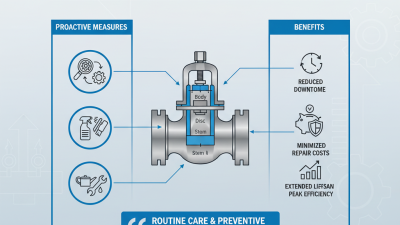
Maintaining valve stems is crucial for optimal performance. Regular inspections can identify wear and tear early. A study found that neglected valve stems can lead to a decrease in performance by up to 25%. It’s essential to look for signs of corrosion or damage. A small crack might seem insignificant, but it can compromise functionality.
Cleaning valve stems regularly ensures that debris does not build up. Dirt can obstruct movement and cause improper sealing. According to industry standards, stems should be cleaned every month, especially in harsh environments. Using proper lubricants can also extend the life of valve stems. A well-lubricated stem reduces friction and wear.
Monitor the valve operation closely. If you notice stiffness or leaks, it may indicate maintenance is overdue. Ignoring these issues can result in costly repairs. Regular checks can enhance reliability and performance. Yet, it’s easy to overlook small details in a busy schedule. Make a note to prioritize maintenance in your routine. Taking proactive steps can avoid future problems.