What is Industrial Valve Accessories and Their Importance in Industries?
Industrial Valve Accessories play a crucial role in various industries, including oil and gas, water treatment, and manufacturing. According to a recent report by Grand View Research, the global industrial valves market is projected to reach $85 billion by 2027, underscoring the significance of valve components. These accessories, such as actuators and positioners, enhance functionality and reliability.
The importance of Industrial Valve Accessories extends beyond mere function. They ensure safety and efficiency in operations. For example, actuators provide precise control over flow regulation. Inadequate or malfunctioning accessories can lead to costly downtimes. A survey by MarketsandMarkets found that 25% of industrial downtime is related to valve failure. The need for quality accessories is evident.
However, the industry faces challenges. Not all manufacturers prioritize high-quality Industrial Valve Accessories. This inconsistency can compromise system performance. Companies need to critically assess the accessories they use. Investing in reliable components is not just a choice; it’s a necessity for operational excellence.
Understanding Industrial Valve Accessories: Definition and Types
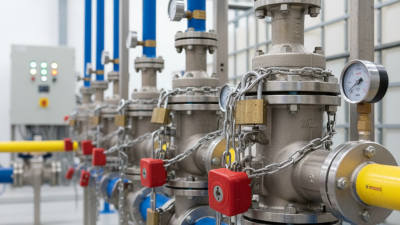
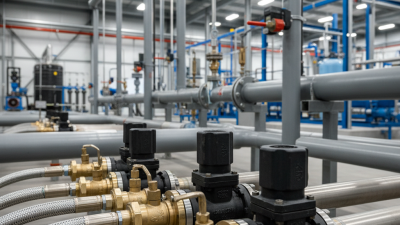
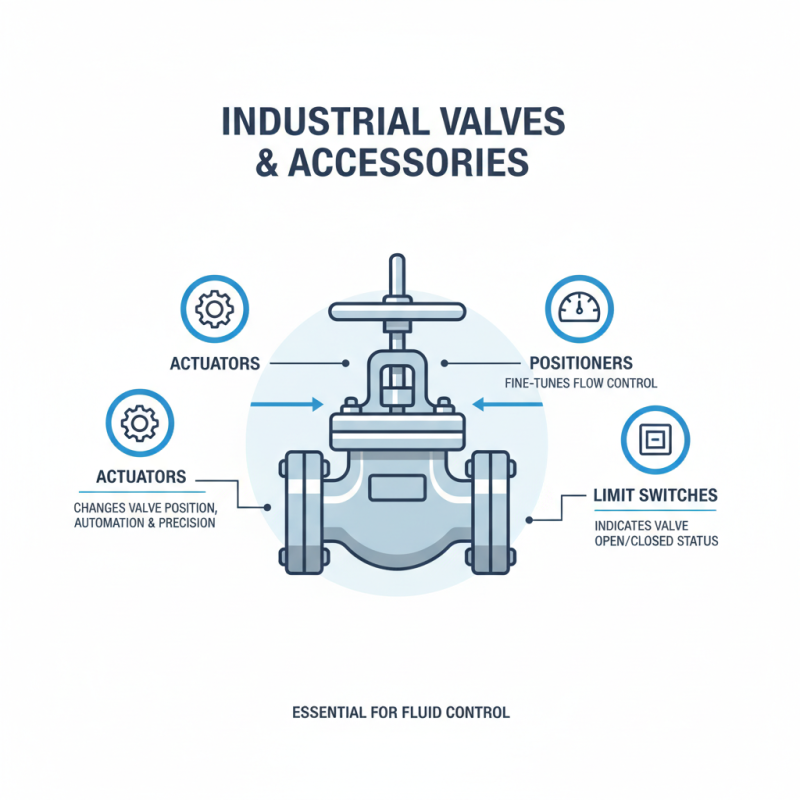
Industrial valve accessories play a critical role in various industries. They enhance the functionality and efficiency of valves. Understanding these accessories can help in selecting the right components for specific applications. Common types include actuators, positioners, and limit switches. Each type serves a unique purpose but contributes to the overall performance of the valve system.
Actuators are essential for automating valve operations. They convert electrical or hydraulic energy into motion. Positioners, on the other hand, ensure that valves reach their desired positions accurately. Limit switches provide feedback about the valve's status. These components must work together seamlessly to ensure smooth operations.
However, the design and selection process can be complex. It's easy to overlook specific needs and requirements. This could lead to inefficiencies or even safety concerns. Taking time to assess the environment and application is crucial. Nothing is perfect, and regular evaluations are necessary to improve performance.
Importance of Valve Accessories in Enhancing Operational Efficiency
Valve accessories play a critical role in enhancing operational efficiency across various industries. According to a recent industry report, up to 30% of production downtime can be attributed to valve-related issues. This statistic highlights the necessity for reliable valve accessories. These components, including actuators, positioners, and fittings, ensure that valves operate smoothly and respond correctly to control signals.
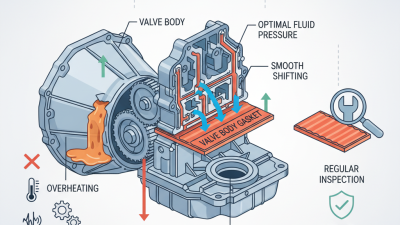
One key aspect of efficiency is proper calibration. An ill-calibrated actuator can lead to incorrect valve positions. This, in turn, can cause fluctuations in pressure or flow rate. A study revealed that proper calibration improves response times by 25%. This improvement translates into better overall performance. Regular maintenance of valve accessories is essential. Neglecting this can result in unexpected failures, leading to costly repairs.
Moreover, consider the environmental aspect. Faulty valve seals can lead to leaks. These leaks not only waste resources but can also harm the environment. Investing in good-quality accessories minimizes such risks. Reports indicate that industries can reduce their operational costs by up to 15% through the use of effective valve accessories. These numbers reflect their undeniable significance in boosting productivity and safety.
Importance of Industrial Valve Accessories in Enhancing Operational Efficiency
Industry Standards and Regulations for Valve Accessories
Industry standards and regulations for valve accessories play a crucial role in ensuring safety and efficiency. These accessories are vital components of industrial systems. They help control flow, regulate pressure, and enhance the overall functionality of valves. Adhering to established standards can prevent costly failures. Non-compliance can lead to accidents or equipment damage.
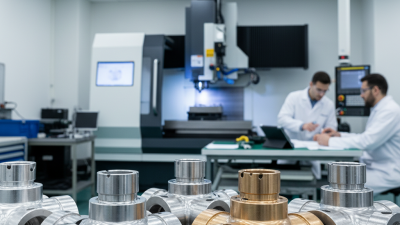
Standards vary by industry but generally cover design, manufacturing, testing, and performance. Organizations often develop these guidelines to protect workers and ensure operational reliability. For example, some regulations focus on materials used in manufacturing valve accessories. Using subpar materials can compromise safety.
However, industries sometimes struggle to keep up with evolving regulations. This creates gaps in compliance. Companies may overlook essential updates or fail to train staff adequately. Regular audits and training can help address these issues. It is crucial to remain vigilant and proactive in maintaining compliance. This not only protects assets but also promotes a culture of safety and responsibility within industrial operations.
What is Industrial Valve Accessories and Their Importance in Industries?
| Accessory Type |
Function |
Importance |
Industry Standards |
| Actuators |
Controls valve opening and closing |
Ensures accurate flow control |
ISO 5210 |
| Positioners |
Maintains desired valve position |
Improves process efficiency |
ISA-75.18 |
| Limit Switches |
Provides feedback on valve position |
Enhances safety controls |
NEMA 250 |
| Solenoid Valves |
Electrically operated valves |
Facilitates rapid valve operation |
UL 429 |
| Gaskets and Seals |
Prevents leaks in valve assembly |
Critical for maintaining system integrity |
ASTM F104 |
Future Trends in Industrial Valve Accessories and Their Impact on Industries
Industries are rapidly evolving, and the role of industrial valve accessories is becoming more crucial. According to a report by Market Research Future, the global market for these accessories is projected to grow at a CAGR of 6.5% from 2022 to 2028. This indicates a significant demand for efficiency and reliability in operations. Companies are integrating advanced sensor technologies and automation in valve accessories to reduce downtime.
The shift towards smart manufacturing is another trend influencing industrial valve accessories. Real-time monitoring and predictive maintenance capabilities are critical for operational efficiency. As industries gear up for Industry 4.0, many still struggle with outdated systems. New solutions must address existing inefficiencies while promoting a smooth transition to digital infrastructures. Investment in training and resources is vital for seamless integration.
Moreover, environmental concerns play a pivotal role in shaping future trends. A report by the International Energy Agency emphasizes the need for sustainable practices. As industries strive to reduce their carbon footprint, valve accessories that support energy efficiency become increasingly important. However, regulatory challenges remain, highlighting the need for continuous innovation in this area. The push towards sustainability must not compromise operational integrity.