Top Forged Valve Body Types and Their Applications in Industry?
The forged valve body is a critical component in numerous industrial applications. As demand for efficient, durable valve solutions rises, industries are increasingly turning to forged valve bodies for their superior mechanical properties. According to a recent market analysis, the global forged valve body market is projected to reach USD 3 billion by 2026, growing at a CAGR of 6.5%. This growth is driven by sectors such as oil and gas, power generation, and manufacturing.
Dr. Jane Smith, a leading expert in valve technology, stated, “Forged valve bodies offer unmatched strength and reliability in harsh environments.” Industries rely on these components for their robustness and longevity. Nevertheless, challenges persist in achieving optimal manufacturing practices. Quality control remains a concern, with some manufacturers struggling to meet exacting standards.
Recent advancements in forging techniques are promising. However, the need for ongoing innovation and improvement is evident. Stakeholders must address these imperfections to enhance the consistency of forged valve bodies. The future of this industry hinges on balancing quality, efficiency, and cost-effectiveness. Forged valve bodies are poised to play a significant role in shaping industrial progress.
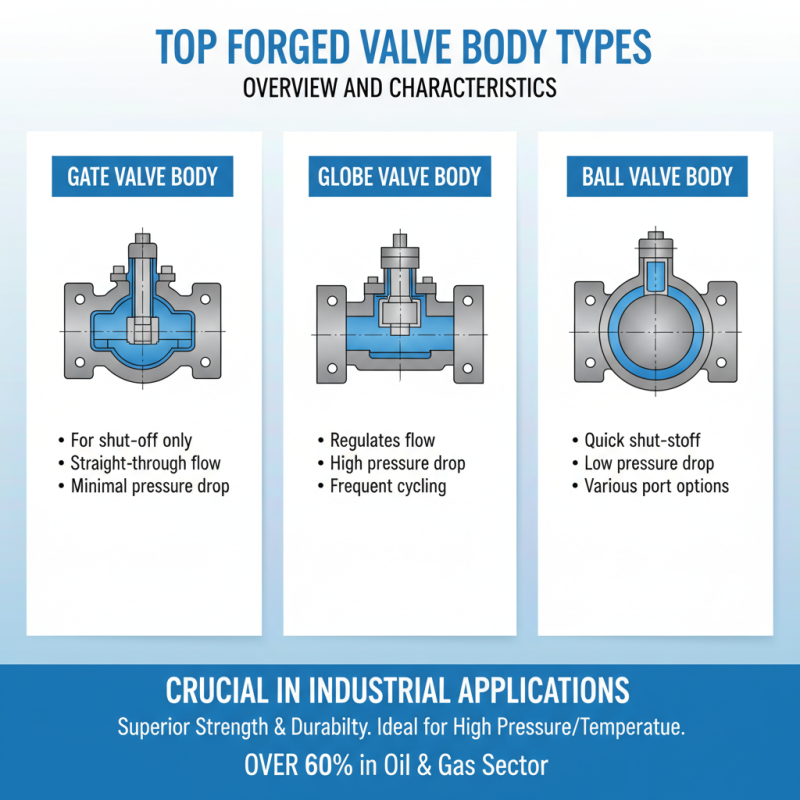
Top Forged Valve Body Types: Overview and Characteristics
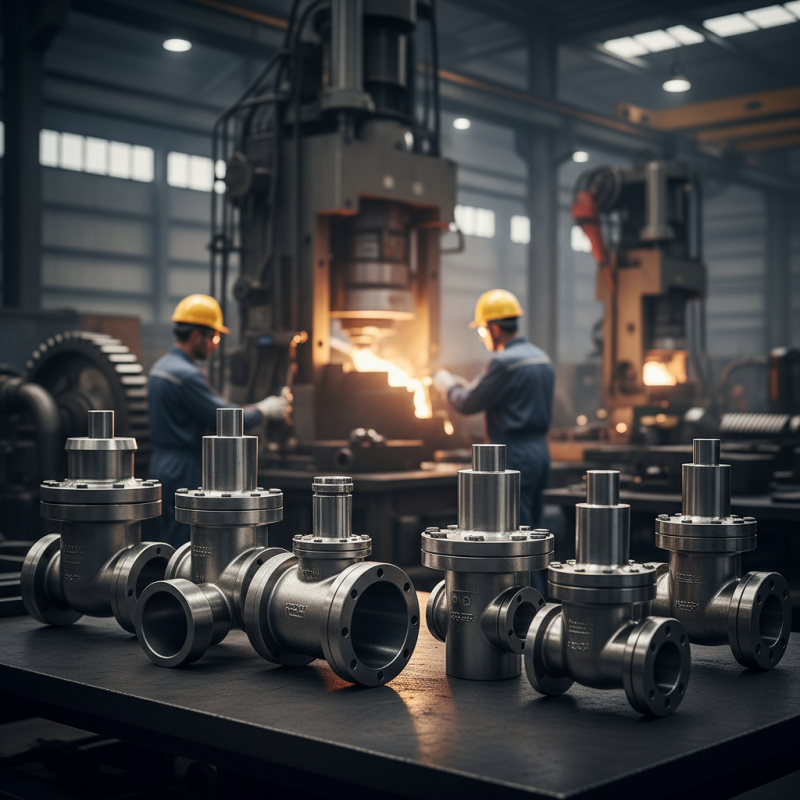
Forged valve bodies are crucial components in various industrial applications. They come in several types, each with unique characteristics. Common types include gate, globe, and ball valve bodies. Each type is designed for specific pressure and temperature ranges. According to recent industry reports, over 60% of valve applications in the oil and gas sector utilize forged valves due to their superior strength and durability.
The material used significantly impacts performance. Carbon steel is a popular choice for its cost-effectiveness. Stainless steel provides enhanced corrosion resistance. However, the choice should consider the operating environment. Some industries face high-pressure conditions that may compromise less robust materials. For instance, a report from a leading engineering consultancy noted that improper material selection contributed to 20% of valve failures in critical systems.
Forged valve bodies require precise manufacturing processes. Methods like closed-die forging ensure strength but can be expensive. Some manufacturers still rely on open-die processes, which may result in inconsistencies. Quality control is essential, yet often overlooked. Data shows that non-compliance with industry standards can lead to severe failures. This highlights the need for continuous reflection on manufacturing practices and their impact on overall reliability.
Application of Forged Valve Bodies in Oil and Gas Industry
Forged valve bodies are critical in the oil and gas industry. Their strength and durability make them ideal for high-pressure applications. These valves often control the flow of fluids in pipelines and processing facilities. They withstand extreme temperatures and pressures. This capability is crucial where safety and efficiency are paramount.
In upstream operations, forged valve bodies regulate oil extraction processes. They help manage the flow of crude oil from wells. In refining, these valves ensure the safe handling of refined products. However, not all forged valves operate efficiently in all environments. Some may corrode if not made from the right materials. Regular inspections are necessary to maintain their integrity.
These valve bodies also face challenges. For instance, improper installation can lead to leaks. Additionally, the wear and tear from constant use can diminish their lifespan. Addressing these issues is vital for avoiding costly downtime. The oil and gas industry relies on these components for smooth operations. Nevertheless, attention to detail in quality and maintenance is essential.
Comparative Analysis of Forged vs. Cast Valve Bodies
When looking at valve body types, forged and cast designs stand out.
Forged valve bodies are made through a process that enhances strength and durability.
This makes them ideal for high-pressure applications, such as oil and gas.
Their resistance to wear can be a game-changer in extreme environments.
In contrast, cast valve bodies are often more economical to produce.
They can be complex in shape, allowing for intricate designs. However, they may not always measure up in terms of strength.
Over time, they might show signs of cracking under high stress.
This could lead to larger issues in functional settings.
Both types have their places in industry, but the choice can be tricky. Factors like expected pressure, temperature, and service life come into play.
Sometimes, the best option is not clear-cut. Companies may have to weigh initial savings against long-term reliability.
Balancing these aspects is not always easy, and it often requires careful consideration.
Material Selection for Forged Valve Bodies: Key Considerations
When selecting materials for forged valve bodies, several key considerations come into play. The environment where the valve will operate is crucial. High temperatures and corrosive substances can significantly impact material choice. A wrong selection might lead to performance issues. Common materials include carbon steel, stainless steel, and nickel-based alloys. Each has unique properties that suit different applications.
Strength and durability are essential factors in material selection. Carbon steel provides good strength at a lower cost. However, it may not perform well in harsh environments. Stainless steel offers better corrosion resistance. It's often used in chemical processing. For extremely corrosive applications, nickel alloys are preferred. These alloys perform well under severe conditions but can be expensive.
Material choice also affects weight and installation. Heavy materials can complicate installation. Lighter options often ease this process but may sacrifice some durability. Engineers must balance these factors carefully. A hasty decision could lead to unexpected failures. Understanding the specific requirements of the application is vital for optimal material selection.
Market Trends and Future Outlook for Forged Valve Bodies
The forged valve body market is witnessing significant trends influencing its future. Industries are increasingly favoring lightweight materials, improving efficiency. Manufacturers are focusing on durability and reliability, crucial for demanding applications. Forged valve bodies are key components in sectors like oil and gas, water treatment, and chemical processing.
Market analysts predict a strong growth trajectory. Innovations in manufacturing technologies contribute to this. Advanced forging techniques enhance the resilience of valve bodies, ensuring long-lasting performance. The increasing emphasis on sustainability drives companies to seek eco-friendly materials. Companies that adapt early will likely gain a competitive edge.
Tip: Consider the specific requirements of your application. Selecting the right valve type is essential for optimal performance.
In this evolving landscape, there are challenges. Raw material price fluctuations can impact costs. Quality control must remain a priority to avoid expensive failures. Mistakes in valve selection can lead to inefficiencies and increased operational risks.
Tip: Regular training for personnel can help mitigate risks related to improper valve usage. Keeping up with industry advancements is equally vital.
Top Forged Valve Body Types and Their Applications in Industry
This chart illustrates the distribution of various forged valve body types used in different industrial applications. The data reflects market trends and provides insights on the future outlook for these components.