10 Essential Tips for Choosing the Right Bolted Bonnet Valve
In the world of valve technology, making the right choice is critical. Renowned expert James Thornton, a leading figure in the Bolted Bonnet industry, once stated, "Choosing the right Bolted Bonnet valve can make or break your project." This highlights the importance of understanding the various factors that influence your decision.
Bolted Bonnet valves have specific characteristics that set them apart. These valves offer durability and ease of maintenance. However, not all Bolted Bonnet valves are created equal. Considerations such as material selection, application type, and pressure requirements are essential to ensure optimal performance.
A common pitfall is overlooking the specific needs of your system. It's easy to get lost in technical jargon and forget practical requirements. Remember, the right Bolted Bonnet valve is not just about specifications; it’s about finding a balance between quality and functionality. Your project deserves careful attention to detail.

Understanding the Basics of Bolted Bonnet Valves
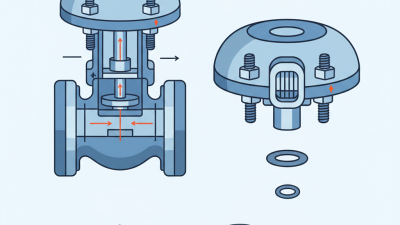
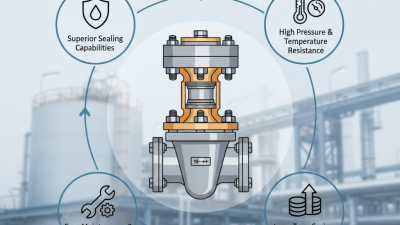
Bolted bonnet valves are essential in various industrial applications. These valves have a unique design that features a bolted cover. This allows easy access for maintenance and inspection. Understanding their basics is crucial for making an informed decision. A proper understanding helps in selecting the right type for specific needs.
When dealing with bolted bonnet valves, one must consider the materials used. Various materials offer different levels of durability and corrosion resistance. Ensure the valve materials match the fluid types and conditions you are working with. Sometimes, it’s easy to overlook the significance of pressure ratings. Inadequate pressure ratings can lead to severe malfunction and costly repairs.
Another common oversight is not accounting for the valve size. Choosing the wrong size can disrupt flow rates and efficiency. It’s tempting to go with standard sizes, but this may not always be ideal. Proper research and planning can prevent these misjudgments. Taking time to understand fluid dynamics is equally important. A clear grasp helps in avoiding future complications. These considerations highlight the need for thoroughness in your selection process.
Key Considerations for Selecting a Bolted Bonnet Valve
Key Factors to Consider When Selecting a Bolted Bonnet Valve
When selecting a bolted bonnet valve, several critical factors come into play. The material of the valve is crucial. It needs to withstand the specific conditions of your operation, whether that’s high pressure or corrosive environments. For instance, stainless steel is often chosen for its durability. But it's essential to assess the actual working conditions before deciding. You might overlook this key factor, and the consequences could be costly.
The valve size is another significant consideration. It must fit your piping system perfectly. An incorrect size can lead to leaks or operational failures. Moreover, the design of the valve impacts its performance. A poorly designed valve can trap debris, leading to maintenance issues. Regular checks and balances are vital, but they can often be neglected in routine operations.
Lastly, think about the installation and maintenance processes. Some valves may seem easier to install but could require more frequent checks afterward. Don't just focus on the upfront costs; consider long-term reliability and efficiency. The choice of a valve should reflect both immediate and future operational needs. Taking these factors into account can lead to better decision-making.
10 Essential Tips for Choosing the Right Bolted Bonnet Valve
| Factor |
Description |
Importance Level |
| Material Compatibility |
Ensure the valve material is compatible with the fluid. |
High |
| Pressure Rating |
Select a valve that can handle the maximum system pressure. |
Critical |
| Temperature Range |
Make sure the valve can operate within the system temperature limits. |
High |
| End Connections |
Choose the correct type of end connections for your piping system. |
Medium |
| Size and Dimension |
Ensure the size matches the flow requirements of your system. |
High |
| Actuation Type |
Decide between manual, electric, or pneumatic actuation. |
Medium |
| Maintenance Requirements |
Consider the ease and frequency of maintenance needed. |
Medium |
| Seal Type |
Select appropriate seals based on the application and fluids. |
High |
| Compliance and Standards |
Check for industry standards and certifications required. |
Critical |
| Cost |
Evaluate the cost-effectiveness relative to performance. |
Medium |
Evaluating Material Compatibility for Valves in Specific Applications
Choosing the right material for bolted bonnet valves is crucial. Different applications have unique requirements. The material affects longevity, safety, and performance. For example, high temperatures call for resilient metals. Corrosion resistance is essential in chemical processing. Each environment presents distinct challenges.
When evaluating material compatibility, consider fluid characteristics. Do they contain acids or bases? Certain alloys resist these substances better than others. Not all materials perform well under pressure or extreme temperatures. Conducting tests can reveal vulnerabilities. A wrong choice can lead to leaks or failures, causing operational downtime.
Additionally, think about the installation process. Some materials are easier to manipulate than others. This can affect the choice. Reflect on past choices; did they hold up over time? Analyzing previous experiences can improve future decisions and lead to better outcomes.
Identifying the Right Size and Pressure Rating for Your Needs
Choosing the right size and pressure rating for a bolted bonnet valve can feel overwhelming. Many users overlook the importance of these factors. A valve that is too large may not seal well, leading to leaks. On the other hand, a valve that is too small can restrict flow, causing operational issues. It's crucial to assess your system's requirements carefully.
To start, measure your pipeline diameter accurately. This measurement helps in selecting a valve that fits snugly. For the pressure rating, consider the maximum pressure your system will experience. It’s often advised to choose a valve with a higher rating than your system's pressure to ensure safety. However, overestimating can lead to unnecessary costs.
Lastly, think about the medium flowing through the valve. Some materials may require specific sizes and ratings to perform effectively. Understanding these details can significantly impact performance. Be prepared to reflect on your choices. Perhaps previous experiences can guide your decision. Adjusting your selection based on real-world applications can prevent future setbacks.