How to Choose the Right Bellows Valve for Your Needs?
When selecting a Bellows Valve, understanding its unique features is crucial. A recent industry report from the Valve Manufacturers Association highlights that 25% of valve failures are linked to improper selection. This statistic emphasizes the importance of choosing the right valve for specific applications.
Expert David Johnson, a leading figure in fluid control technology, mentions, "The right Bellows Valve can extend equipment life by reducing leakage and minimizing maintenance." His words reflect the valuable benefits these valves offer across various industries.
Manufacturers often overlook factors like material compatibility and pressure rating. A mismatched Bellows Valve can lead to operational inefficiencies. It's necessary to delve into the specific requirements of your system. Understanding these aspects can prevent costly mistakes and ensure optimal performance. The right choice can significantly impact productivity and safety in industrial settings.
Understanding Bellows Valves: Definition and Functionality
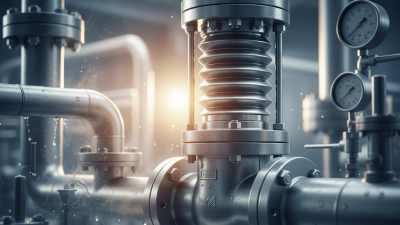
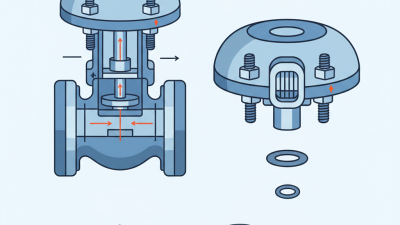
Bellows valves are unique components in fluid control systems. They consist of a flexible diaphragm that seals the valve and prevents leakage. This design is crucial when handling corrosive or sensitive materials. The bellows can withstand pressure variations and maintain a tight seal, reducing the risk of contamination.
Their functionality lies in their ability to control flow and pressure. Unlike standard valves, bellows valves do not have moving parts exposed to the fluid. This makes them more durable and less prone to wear and tear. However, some users may overlook the limitations. For instance, the material choice for the bellows can impact longevity.
When choosing the right bellows valve, consider application specifics. Think about the pressure requirements and the type of media being controlled. Mistakes in selecting materials can lead to premature failure. It's essential to reflect on these factors to ensure the valve performs well under intended conditions. The right choice can significantly enhance system efficiency and reliability.
Bellows Valve Selection Criteria
Key Considerations for Selecting a Bellows Valve
When selecting a bellows valve, several key considerations come into play. Material compatibility is crucial. The valve must withstand the fluids or gases it will control. Common materials include stainless steel and brass. Testing the compatibility of your chosen material with process media is essential.
Pressure ratings are another important factor. Valves have specified pressure limits that should match your application. An improperly rated valve may fail under stress, leading to costly downtimes. Keep in mind that installation space can also dictate your choice. Some bellows valves have unique space requirements that may not fit standard setups.
Additionally, think about the valve's actuation method. Manual valves require human effort, while automated valves may use pneumatic or electric systems. Automated options enhance efficiency. However, they can be complex and may need more maintenance. It's vital to weigh the pros and cons of each type. Reflecting on your specific application needs ensures you choose wisely.
Different Types of Bellows Valves and Their Applications
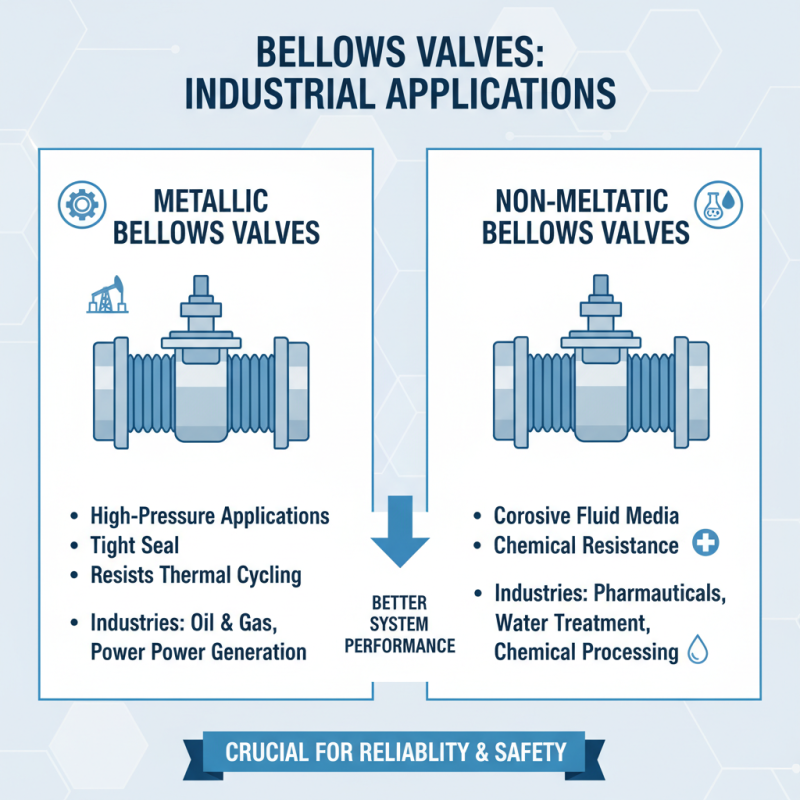
Bellows valves are crucial in many industries, including oil and gas, pharmaceuticals, and water treatment. Different types serve distinct purposes. For instance, metallic bellows valves are ideal for high-pressure applications. They provide a tight seal and resist thermal cycling. Non-metallic bellows valves find use in fluid media that may harm metal. Understanding these applications helps ensure better system performance.
According to a report by Persistence Market Research, the global bellows valve market is expected to grow significantly. This growth highlights the importance of selecting the right type. For example, a chemical plant may benefit from a PTFE-lined bellows valve to handle aggressive substances. Conversely, an energy facility might require a stainless steel variant to withstand elevated temperatures. Choosing the correct material is essential for safety and longevity.
Design imperfections can lead to problems. Not all bellows valves are created equal; some may not withstand specific pressures. It’s essential to match the valve type to the application. Misalignment between the two could result in leaks or system failures. These reflections are vital in making informed decisions for operation and maintenance.
Factors Impacting Performance: Materials and Design Features
When selecting a bellows valve, materials play a crucial role in performance. Common materials include stainless steel, PVC, and diaphragms.
Stainless steel offers durability and resistance to high pressures. PVC is lightweight and resistant to corrosion,
but it can struggle under extreme temperatures. One must consider the specific application before choosing. Each material has its strengths and weaknesses.
Design features significantly influence how bellows valves perform. Look for options with smooth interiors.
This design minimizes turbulence, allowing for a more efficient flow rate. Sealing capability is another key feature.
Poorly designed seals can lead to leaks. It’s essential to examine manufacturing quality. A poorly made valve may not withstand the pressures expected in operation.
Reflect on your specific needs. What environments will the valve face? Extreme temperatures?
Certain chemicals? These questions are essential. The ideal bellows valve is one that balances material choice and design features.
Yet, it’s sometimes easy to overlook minor details that could lead to major issues later on. Each project may present unique challenges,
making it vital to address every aspect.
Maintenance and Longevity: Ensuring Optimal Valve Performance
Maintenance is key to ensuring the longevity of bellows valves. Regular inspections can help identify wear and tear early. Most importantly, check for leaks regularly. These are the first signs of failure. Small cracks or dents may lead to significant issues down the line. If you notice any irregularities, it’s time for maintenance.
Lubrication is critical for optimal performance. However, over-lubrication can attract dirt and contaminants. Aim for a balanced approach. Clean the surfaces and remove debris to extend the valve's lifespan. Unnoticed buildup can cause sticking, leading to operational failure. Keep records of maintenance activities. They serve as a useful guide for future actions.
Temperature fluctuations impact performance too. Extreme heat or cold can affect the materials used in bellows valves. Know the operating conditions and choose accordingly. Don’t overlook the importance of using the right materials. This can prevent frequent replacements and save costs in the long run. Reflect on past experiences to improve future choices.
How to Choose the Right Bellows Valve for Your Needs? - Maintenance and Longevity: Ensuring Optimal Valve Performance
| Parameter |
Description |
Recommended Standard |
Maintenance Frequency |
| Material |
Choose material based on fluid compatibility and temperature range. |
Steel, Stainless Steel, PTFE |
Annually |
| Pressure Rating |
Ensure the valve can handle operating pressure. |
ASME B16.34 Standards |
Semi-annually |
| Temperature Range |
Select based on the operating environment. |
-40 to 400°F |
Annually |
| Size |
Correct sizing is critical for optimal flow. |
Refer to system specifications |
Every 3 years |
| Connection Type |
Ensure compatibility with existing piping. |
Flanged, Threaded |
Every 5 years |