Why Choose a Stainless Bonnet for Your Next Project?
In the world of industrial design, choosing the right materials is crucial. A notable expert, Dr. Sarah Thompson, recently stated, "A Stainless Bonnet offers unmatched durability and aesthetic appeal." This sentiment rings true for many projects. Stainless Bonnets are robust and resistant to corrosion, making them ideal for both indoor and outdoor applications.
Consider a situation where a project requires an element that withstands harsh conditions. Architects and engineers often face challenges in selecting materials that last. In such cases, the Stainless Bonnet stands out. Its versatility in design can enhance any project’s visual and functional aspects.
Yet, some still question the practicality of a Stainless Bonnet. While it provides many benefits, there can be initial costs that might deter some. However, the long-term savings on maintenance and replacements often outweigh those upfront investments. Choosing a Stainless Bonnet could be a wise decision for distinguishing your next project.

The Durability of Stainless Steel: A Statistical Perspective
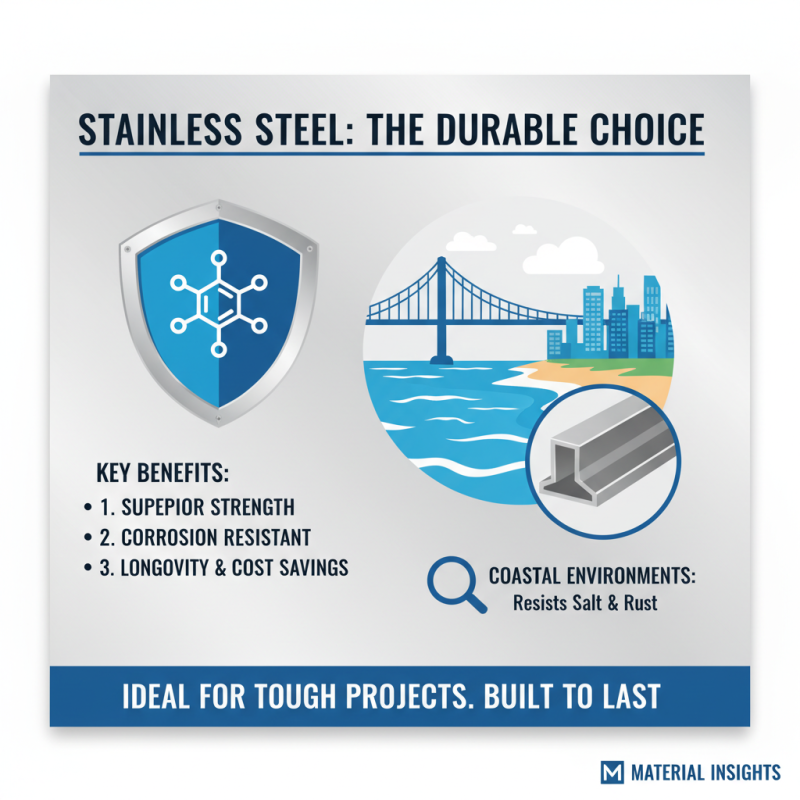
When it comes to choosing materials for projects, durability is a key factor. Stainless steel stands out for its strength and resilience. Its high resistance to corrosion makes it ideal for various environments. For example, in coastal areas, where salt can corrode metals, stainless steel maintains its integrity better than others. This aspect can save costs in the long run.
Statistically, stainless steel can last for decades with proper maintenance. Studies show that it can withstand extreme temperatures and heavy loads. This durability makes it a favorite in construction and marine applications. However, some may overlook its cost. It can be higher than alternatives, which might deter immediate investment.
Yet, the long-term benefits often outweigh the initial expenses. Choosing stainless steel not only ensures longevity but also enhances safety. If not evaluated carefully, one might miss these advantages. Each project demands unique considerations, making it essential to weigh all factors before making a decision.
Corrosion Resistance: How Stainless Bonnet Stands Against Environmental Stress
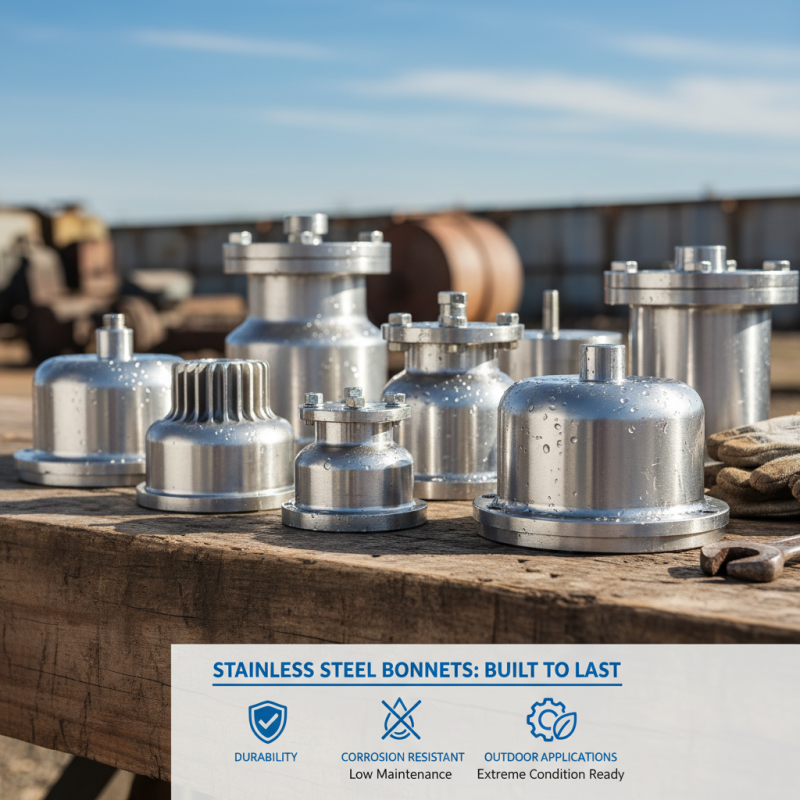
When selecting materials for a project, durability is crucial. Stainless steel bonnets offer exceptional corrosion resistance. This feature makes them an ideal choice for harsh environments. They resist rust and degradation much better than many alternatives. In coastal areas, for example, stainless bonnets maintain their integrity despite the salty air.
The environmental resilience of stainless steel goes beyond ordinary expectations. It withstands extreme temperatures and harsh chemicals, ensuring longevity. However, not all stainless steel is created equal. It's important to research the specific grade used in these bonnets. Some may perform well in certain conditions, while others may falter.
There is always a risk in materials selection. Stainless steel can still develop surface imperfections over time. These flaws may not affect function but can impact appearance. Choosing the right finish can mitigate this. Overall, considering the environmental factors in your project is essential. A stainless bonnet may outweigh initial costs with its long-lasting benefits.
Corrosion Resistance of Stainless Bonnet Materials
Cost-Effectiveness Over Time: Analyzing Long-Term Investment Returns
When considering materials for a project, stainless steel often stands out. Its durability is impressive. According to a recent industry report, stainless steel can last up to 30 years with minimal maintenance. This long lifespan contributes to its overall cost-effectiveness. While the initial investment may seem high, the long-term savings are significant. Projects utilizing stainless bonnets see reduced replacement costs, which can improve budget stability.
Additionally, stainless steel's resistance to corrosion enhances its viability. A study from the National Institute of Standards and Technology revealed that structures made with stainless steel require less frequent repairs. This reduces labor and material costs over the years. The lifecycle cost often favors stainless over materials like plastic or carbon steel.
Yet, it's essential to acknowledge that stainless steel might not be ideal for every project. Installation can be more challenging. Sometimes, it is critical to assess whether the higher upfront costs justify the benefits. Some projects may benefit from alternate materials in certain contexts. Understanding the specific needs of each project is vital. It’s worth reflecting on materials to find the best fit.
Versatility in Applications: Industry Use Cases for Stainless Bonnets
When it comes to industrial applications, stainless bonnets stand out for their adaptability. These components are used in sectors like food processing, pharmaceuticals, and chemical handling. According to industry reports, approximately 30% of companies prefer stainless materials due to their corrosion resistance and durability. This choice translates into better longevity of equipment and fewer maintenance costs.
Stainless bonnets are particularly effective in environments that demand hygiene. The food industry, for example, heavily relies on these materials to prevent contamination. A recent study indicated that almost 90% of food processing facilities utilize stainless steel to meet safety regulations. However, not all stainless materials are created equal. Different grades offer varying levels of resistance and suitability for specific tasks.
Tips: Always consider the environment when selecting materials. Test the specific grade you plan to use. This can save headaches later. Evaluate whether the application requires high corrosion resistance or if a standard grade will suffice. Misjudging can lead to premature failures. It’s essential to align your choice with actual needs. Understanding the nuances in stainless steel types can prevent costly mistakes.
Why Choose a Stainless Bonnet for Your Next Project? - Versatility in Applications: Industry Use Cases for Stainless Bonnets
| Industry |
Application |
Advantages |
| Food Processing |
Equipment Covers |
Corrosion resistance, easy to clean |
| Chemical Industry |
Tank Closures |
High durability under harsh conditions |
| Oil & Gas |
Valve Bonnet Components |
Pressure resistance, leak prevention |
| Pharmaceutical |
Sterilization Equipment |
Non-reactive and sterile |
| Construction |
Exterior Cladding |
Weatherproof, aesthetic appeal |
Maintenance Requirements: Comparing Stainless Bonnet with Other Materials
When considering materials for your next project, stainless steel bonnets stand out for several reasons. They offer durability against harsh conditions, yet they also require specific maintenance. Unlike plastic or carbon steel options, stainless steel resists corrosion and rust. This makes it a smart choice for outdoor applications. With proper care, these bonnets can maintain their appearance and function for years.
Maintenance for stainless bonnets is straightforward, but it can be easy to overlook. Regular cleaning with mild soap and water keeps them looking good. However, abrasive cleaners can cause scratches. It's crucial to avoid anything that may damage the surface. Unlike other materials, stainless steel won't wear out quickly if maintained properly. But skipping maintenance can lead to issues.
In contrast, plastic may fade and degrade over time. Carbon steel requires frequent protective coatings. These can wear off and need replacing. Thus, while stainless may take some effort initially, the long-term benefits are significant. Balancing these maintenance needs with project costs is essential. Sometimes, initial savings on cheaper materials lead to bigger headaches later. It’s worth considering the entire lifecycle of your choice.