Why Choose a Bellows Valve for Your Next Project?
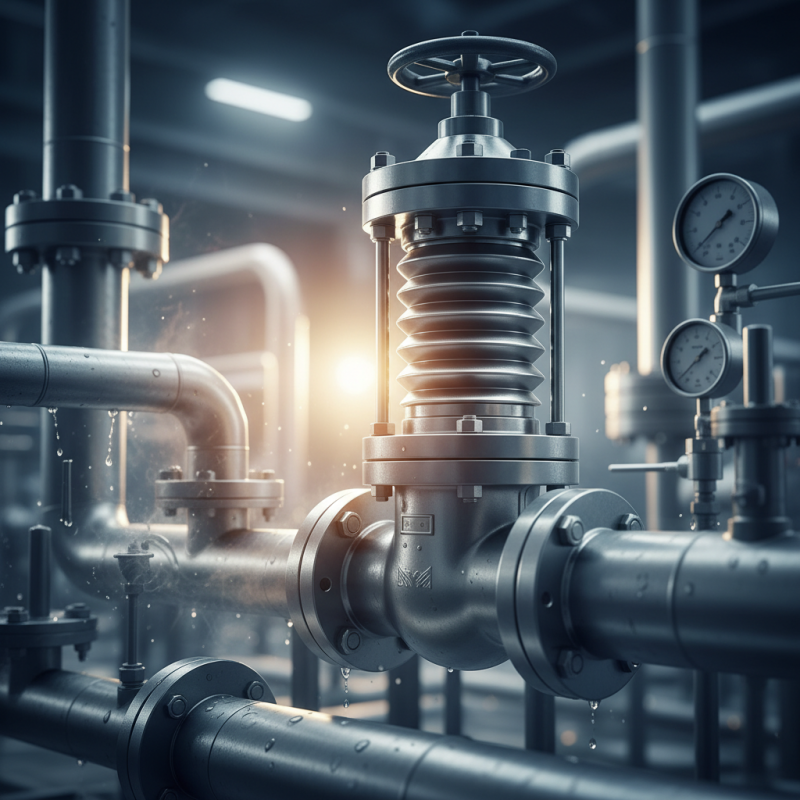
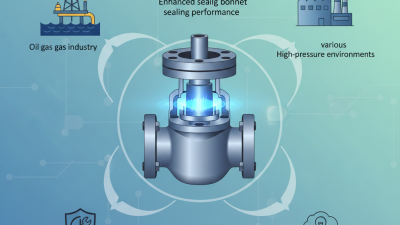
When considering the best options for your next project, the choice of valve can be crucial. A Bellows Valve stands out for several good reasons. Its unique design features a flexible bellows that prevents leakage, providing a reliable solution for various applications.
Bellows Valves are known for their durability and ability to handle extreme conditions. They resist corrosion, making them suitable for harsh environments. This reliability can lead to reduced maintenance costs over time. Choosing a Bellows Valve can enhance system efficiency significantly.
However, it’s important to evaluate all options carefully. Consider the specific needs of your project. Each project is unique, and not every valve will serve your needs perfectly. Reflect on the long-term impacts of your choice. Weigh the benefits of a Bellows Valve against potential drawbacks. This approach will ensure you make a well-informed decision for your project.
Understanding Bellows Valves and Their Functionality
Bellows valves are unique in their design and functionality. They incorporate a flexible metal bellows that ensures a tight seal. This prevents contamination, making them ideal for critical applications. The bellows allow for precise control over fluid or gas flow. This is important in processes that require accuracy. The absence of packing materials reduces wear and tear over time. This means less maintenance in the long run.
One must consider the environmental factors when choosing a bellows valve. Temperature extremes can affect the material used in the bellows. The flexibility of the bellows can decrease over time, leading to potential failure. Users should evaluate the specific requirements of their systems. A thorough analysis of pressure and temperature ranges is essential. Sometimes, the advantages of a bellows valve may not outweigh the potential issues. Careful thought will lead to better choices for projects.
Why Choose a Bellows Valve for Your Next Project? - Understanding Bellows Valves and Their Functionality
| Feature |
Description |
Applications |
Advantages |
| Material |
Typically made from metal, providing durability and resistance to high pressures. |
Chemical processing, power generation, and HVAC systems. |
Long lifespan and robust performance under extreme conditions. |
| Design |
Unique design allows for linear and rotary motion control without leakage. |
Used in applications requiring precise flow control. |
Prevents leakage, enhancing system reliability. |
| Operating Conditions |
Can operate under high temperatures and pressures. |
Ideal for steam and cryogenic applications. |
Versatile for different industrial environments. |
| Maintenance |
Low maintenance requirements due to limited moving parts. |
Common in automated systems and hard-to-access areas. |
Cost-effective operation over time. |
| Safety |
Designed to mitigate risks of leaks and contamination. |
Critical in areas with hazardous materials. |
Enhances operational safety and compliance. |
Advantages of Using Bellows Valves in Various Applications
Bellows valves are gaining attention in various industries for their unique advantages. The design features a flexible metal diaphragm, which separates the fluid flow from the stem. This reduces the chances of leaks and contamination. A report by the Flow Control Industry Association indicates that valves with such designs can decrease leakage rates by up to 60%. This is especially crucial in sectors like pharmaceuticals and food processing, where purity is essential.
In applications that deal with extreme temperatures and pressures, bellows valves show resilience. They perform well in cryogenic environments and high-temperature operations. For instance, research indicates that they can withstand pressures exceeding 5000 psi without failure. Their versatility makes them suitable for chemical processing and oil industries, where conditions can be harsh. However, there are limits. They may not be as effective in certain abrasive environments, leading to wear over time.
Customization is another benefit, yet it comes with considerations. Bellows valves can be tailored for specific functions, providing unique solutions. However, this customization may lead to prolonged lead times and can inflate costs. Balancing these factors is vital for project managers. Quality and durability depend on the intended application, prompting engineers to assess long-term needs carefully.
Key Materials and Design Features of Bellows Valves
Bellows valves are gaining popularity in many industries. They feature unique materials and design characteristics that enhance performance. The main component is the metal bellows. This design allows for tight sealing and minimizes leakage. The bellows can withstand high pressures and temperatures. They also resist corrosion, making them ideal for harsh environments.
One key material used in bellows valves is stainless steel. It offers durability and strength. Other materials include PTFE and elastomers, which enhance chemical resistance. Choosing the right material is crucial for optimal performance.
When using bellows valves, consider the application environment. Ensure that the selected valve material is compatible with the fluids being handled. Always check for potential leaks after installation. Leaks can lead to costly downtime.
Tips: Regular maintenance is essential for longevity. Inspect the bellows for any signs of wear. If leaks are detected, replace the valve immediately. This saves energy and maintains system efficiency. Ensure that all staff are trained to spot issues promptly.
Benefits of Using Bellows Valves by Material Type
Maintenance Considerations for Bellows Valves in Projects
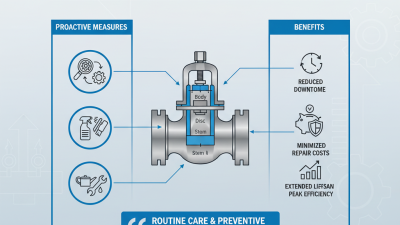
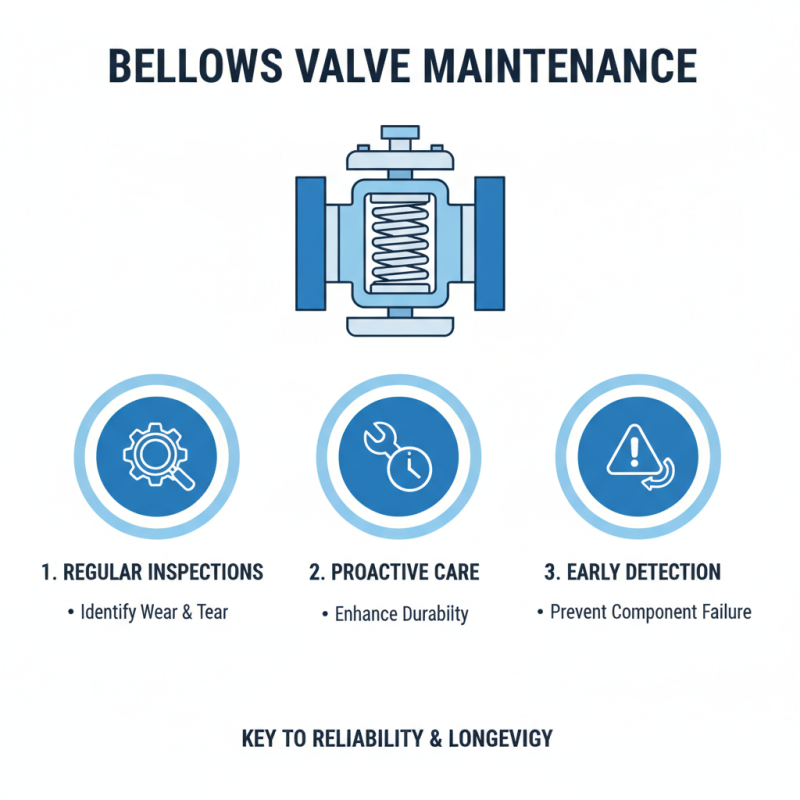
When considering a bellows valve for a project, maintenance plays a crucial role. These valves are known for their durability, yet they require proper care. Regular inspections help identify wear and tear. Components can degrade over time, and early detection is key.
Tips: Check seals periodically. Look for signs of leakage. Maintaining the bellows can prevent costly repairs.
Cleaning is another essential aspect. Dirt and contaminants can accumulate, affecting performance. A simple routine of wiping the bellows can enhance longevity. Remember, neglecting maintenance can lead to bigger issues down the line.
Tips: Use mild detergents for cleaning. Avoid harsh chemicals that may damage the material. Consistency is vital for effective maintenance.
Consider the environment where the valve operates. Extreme temperatures and harsh chemicals may impact its performance. Mapping out these factors can guide the maintenance plan. Regularly revising this plan ensures the valve operates efficiently over time.
Comparing Bellows Valves to Other Valve Types and Their Benefits
Bellows valves offer unique advantages compared to other valve types. Their design includes a flexible bellows that creates a tight seal. This feature prevents leaks effectively, which is crucial in sensitive applications. Unlike standard valves, bellows valves handle high pressures and temperatures well. They are often used in industries like pharmaceuticals and chemical processing. These environments require utmost reliability.
Compared to gate or globe valves, bellows valves stand out in leak prevention. They can minimize the risk of contamination. However, their initial cost may be higher. This investment is often justified by long-term savings. Not all projects require such specifications, so careful consideration is essential.
Moreover, maintenance for bellows valves can be more complex. They may require specialized tools and skills. This could lead to longer downtime. Balancing costs and benefits is crucial in decision-making. Reflecting on the specific needs of your project can ensure the right choice. Consider whether the advantages align with your project goals.