2026 How to Choose the Best Anti-Blowout Stem for Your Needs?
Choosing the right Anti-Blowout Stem can be challenging. Industry expert Dr. Mark Reynolds often states, "The right choice can make all the difference." His insight emphasizes the importance of tailoring your selection to your specific needs.
When selecting an Anti-Blowout Stem, you must consider factors like material, size, and application. A high-quality stem can enhance performance and reduce the risk of blowouts. Yet, there are many choices available, and not every option will work for everyone. Some may prioritize durability, while others might focus on cost-effectiveness. Striking the right balance is crucial.
Many users overlook small details that could impact safety and efficiency. For instance, understanding the compatibility of the stem with other equipment is vital. Each decision you make should reflect on your unique requirements. Reflecting on past experiences can guide better choices in the future.
Understanding Anti-Blowout Stems: Definition and Purpose
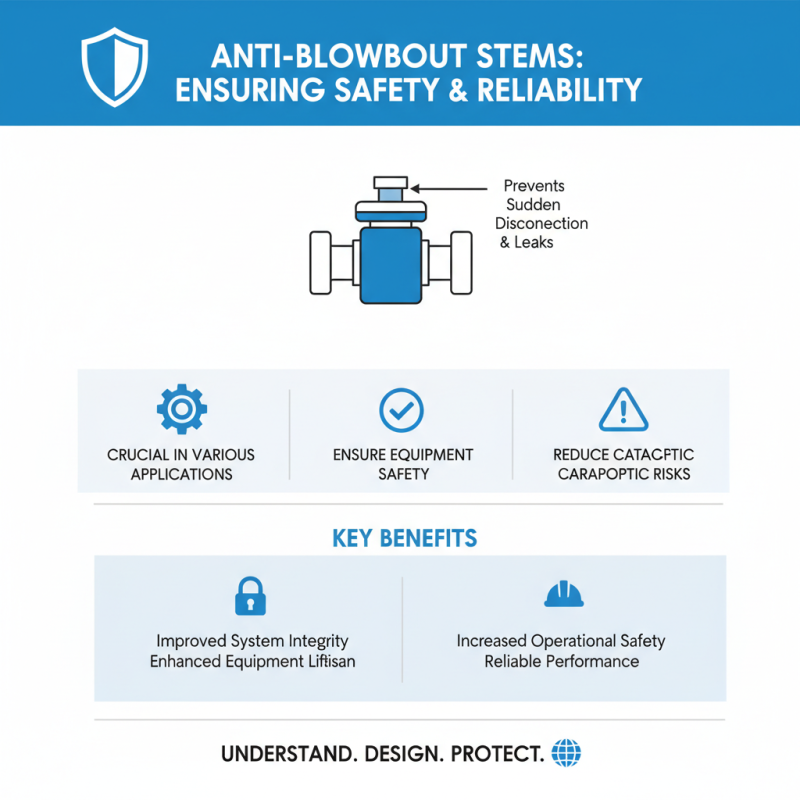
Anti-blowout stems serve a crucial role in various applications. They prevent sudden disconnections and leaks in systems. These components ensure the safety and reliability of your equipment. Without them, risks increase dramatically. It's essential to understand their function and design.
When choosing an anti-blowout stem, consider the materials. Some materials handle pressure better than others. Metal options can withstand higher temperatures and pressures. Plastic stems generally fit lighter-duty applications. Assess your specific needs carefully. You don't want to compromise on safety for minor savings.
Tips: Always inspect your stems regularly. Look for signs of wear or damage. Replacing them on time may prevent costly failures. Keep a few backups handy to avoid downtime. Remember, investing in quality components pays off in the long run. Your project's success often hinges on these small parts. Don't overlook their importance.
Key Factors to Consider When Selecting an Anti-Blowout Stem
Choosing the right anti-blowout stem is crucial. You need to consider several key factors before making a decision. One main factor is compatibility with your equipment. An ill-fitting stem can lead to performance issues. Measure your current setup carefully. The material of the stem also matters. Different materials offer various levels of durability and weight. Lightweight materials may be ideal for racing but sacrifice some robustness.
Tips: Don’t overlook the design. Shapes can influence aerodynamics and comfort. Test different configurations if possible. Some users report dissatisfaction after selecting a stem that looked good but didn’t perform well.
Another important consideration is the rigidity of the stem. Stems that are too stiff can lead to a harsh ride. On the other hand, a flexible stem may compromise control. Find a balance that suits your riding style. A poorly chosen stem could make you rethink your purchase.
Tips: Seek feedback from fellow riders. User reviews provide insights that specifications alone cannot. Look beyond the numbers and gauge real-world experiences. Reflect on how your choice aligns with your goals.
Evaluating Material Options for Durability and Performance
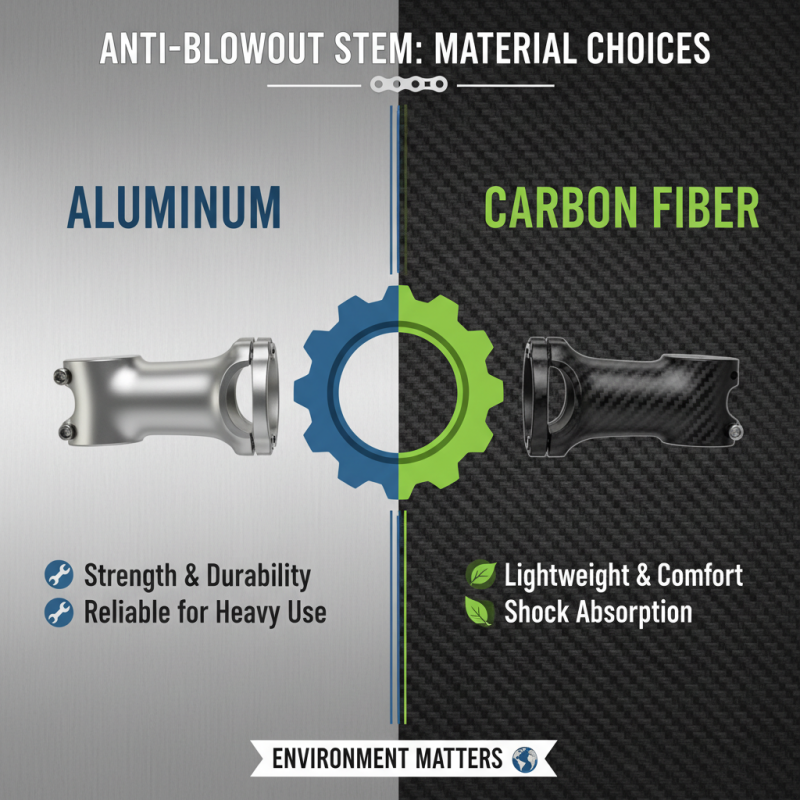
When selecting an anti-blowout stem, material choice is crucial for durability and performance. Common materials like aluminum and carbon fiber each have unique benefits. Aluminum offers a solid weight-to-strength ratio, making it a dependable choice for heavy use. In contrast, carbon fiber is lighter and provides excellent shock absorption. However, carbon fiber can be more prone to damage under extreme conditions. Therefore, the environment you’ll use your stem in plays a significant role in this decision.
Tips: Check for user reviews online. Look for insights on how materials hold up over time. Often, personal experiences reveal hidden weaknesses.
Different materials require varying care routines. Aluminum may suffer from corrosion if exposed to moisture. Carbon fiber needs gentle handling to avoid cracking. Regular inspections can prevent unexpected failures. Balancing weight and durability is essential. A lighter stem may seem appealing, but it might not withstand rigorous conditions. Reflect on your riding style and terrain choices as you evaluate your options. Your long-term satisfaction depends on these crucial decisions.
Compatibility with Your Existing Equipment: What You Need to Know
Choosing the right anti-blowout stem requires careful consideration of compatibility with your equipment. Most stems must fit into existing systems. Measure your current components to determine the right sizing. This ensures a seamless integration and optimal performance.
When selecting a stem, focus on specific features. Some stems have unique designs that might not align with your setup. Take time to research the specifications. For instance, the stem's diameter and length matter a lot. Compatibility is not always straightforward; it demands attention to detail.
Reflecting on personal experiences can guide your choice. Sometimes, a recommended stem may not align well with your equipment. Learning from feedback is crucial. Don't hesitate to test different options to find the best fit. Compatibility impacts performance, so prioritize it in your search.
Cost-Effectiveness: Balancing Price and Quality in Your Choice
When selecting an anti-blowout stem, cost-effectiveness should be a key consideration. Research indicates that around 70% of users prioritize price alongside quality. Finding that balance can be challenging. Premium options often promise durability, but budget-friendly alternatives do exist, offering satisfactory performance without breaking the bank.
One report suggests that investing an additional 15% in a higher-quality stem can enhance performance by up to 30%. This potential benefit shouldn’t be ignored when making a choice. However, some affordable options may deliver surprisingly good results. It's crucial to weigh both initial cost and long-term value.
Tips: Always check user reviews. They can reveal common issues with low-cost options. Additionally, think about your usage. Frequent riders might need sturdier stems. A more economical choice could suffice for casual use. Ultimately, understanding your needs will guide your decision-making process effectively.
2026 How to Choose the Best Anti-Blowout Stem for Your Needs?
This chart illustrates the cost-effectiveness rating of anti-blowout stems based on different price ranges. Higher ratings indicate better quality relative to price, helping you make an informed decision when choosing the right product for your needs.