Why Choose a Stainless Bonnet for Your Project?
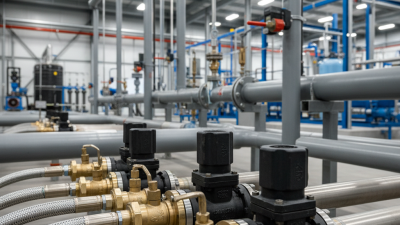
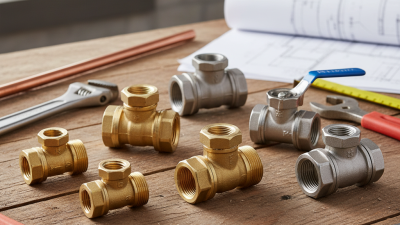
When choosing materials for your project, the decision can be overwhelming. A Stainless Bonnet stands out as a top choice. Its durability and resistance to corrosion make it ideal for various applications. Whether you're working in construction or manufacturing, this component plays a crucial role in maintaining quality.
Stainless Bonnets are not just about functionality. They add a polished look, enhancing the overall aesthetic of your project. The smooth finish and sleek design can impress clients. However, it's essential to consider the cost factor. Sometimes, embracing a Stainless Bonnet may stretch the budget. But this investment often pays off in the long run.
Choosing the right material means weighing options carefully. A Stainless Bonnet is an excellent choice, yet it may not fit every situation. Take time to reflect on your project’s needs. Sometimes, simpler solutions might work. But for projects that require strength and style, a Stainless Bonnet is hard to beat.
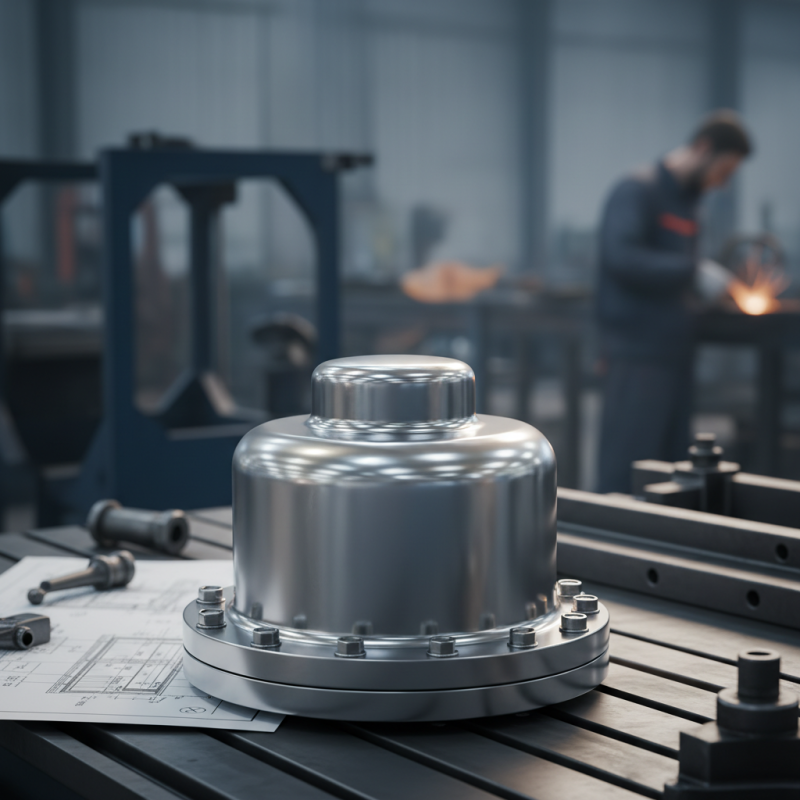
Benefits of Using Stainless Steel Bonnet in Projects
When considering materials for your project, stainless steel bonnets stand out. They offer a range of practical benefits that enhance durability. Stainless steel resists corrosion, making it ideal for various environments. This material can withstand moisture and harsh temperatures, ensuring longevity.
Moreover, stainless steel bonnets are easy to clean and maintain. They do not require harsh chemicals, which is a plus for eco-conscious projects. The polished finish provides an appealing aesthetic. However, some may find the initial cost higher than alternatives. It raises questions about budget allocation. Investing in quality materials like stainless steel might require deeper planning.
Another point to examine is weight. Stainless steel bonnets are heavier than plastic options, which could impact installation. This might require additional support structures, adding complexity. Remember to consider your project's specific needs before deciding. Reflecting on these factors leads to clearer choices.
Why Choose a Stainless Bonnet for Your Project? - Benefits of Using Stainless Steel Bonnet in Projects
| Benefit |
Description |
Applications |
| Corrosion Resistance |
Stainless steel is highly resistant to rust and corrosion, making it ideal for harsh environments. |
Chemical processing, marine applications, outdoor structures |
| Durability |
Stainless steel bonnets are tough and can withstand high temperatures and pressures. |
Valve manufacturing, industrial equipment |
| Aesthetic Appeal |
The shiny surface of stainless steel provides a modern and clean look. |
Architectural design, consumer products |
| Easy Maintenance |
Stainless steel surfaces are easy to clean and maintain, reducing overall maintenance costs. |
Food processing, healthcare equipment |
| Recyclability |
Stainless steel can be recycled multiple times without losing quality, making it eco-friendly. |
Sustainable construction, renewable projects |
Durability and Corrosion Resistance of Stainless Steel Bonnets
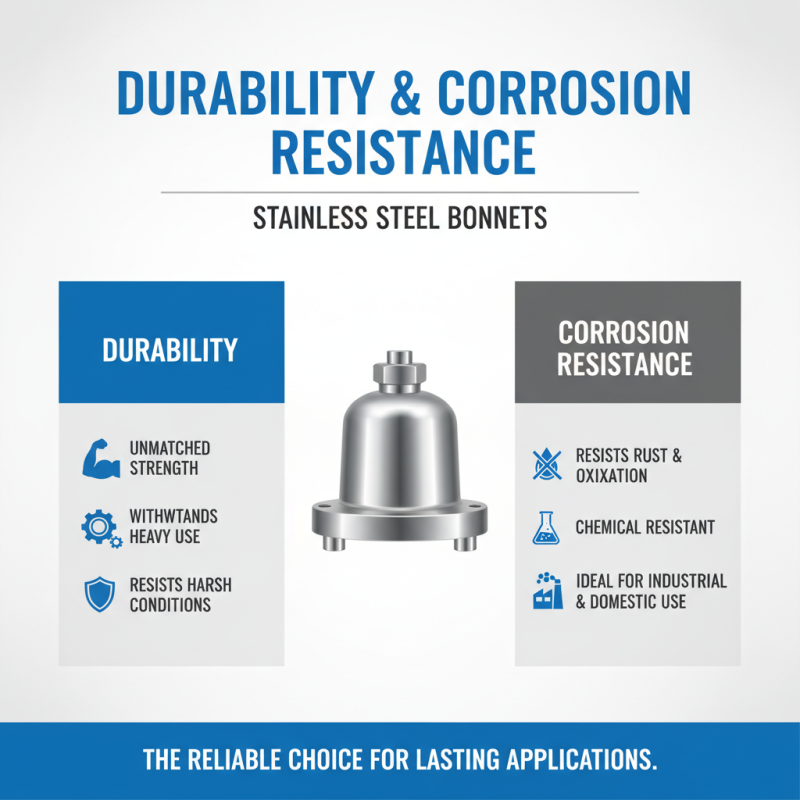
When considering materials for your project, stainless steel bonnets stand out. Their durability is unmatched. Stainless steel can withstand heavy use and harsh conditions. This reinforces its choice in both industrial and domestic applications.
Corrosion resistance is another key feature. Unlike other metals, stainless steel doesn’t rust easily. This quality is particularly important in environments exposed to moisture. Imagine a bonnet on a marine vessel. It faces saltwater constantly, yet remains unaffected. This resilience prolongs the bonnet's lifespan, saving costs in replacements and repairs.
However, not all stainless steel is equal. Different grades offer varying resistance levels. It’s essential to choose the right type for your specific needs. Some may find stainless options heavier than alternatives. This could affect installation. It's a detail worth evaluating, as weight can impact project efficiency. Choosing the right material requires careful thought, balancing durability with practicality.
Aesthetic Appeal: Why Stainless Steel Bonnets Enhance Design
Stainless steel bonnets serve as a striking design element in various projects. Their modern and sleek aesthetic complements both contemporary and traditional settings. The reflective surface of stainless steel creates dynamic light interactions, adding depth to any space. This material also withstands rust, ensuring that its beauty lasts over time.
Incorporating stainless steel bonnets can elevate design, but it’s essential to consider the overall vision. Sometimes, their shiny appearance may clash with warmth in a rustic space. It's crucial to balance materials to achieve cohesion. This requires thoughtful planning and a keen eye for detail. Every project is unique, and understanding how stainless steel interacts with other elements is vital.
While stainless steel is durable, it can show fingerprints and smudges. Regular maintenance may be necessary to keep it looking pristine. Still, this aspect can prompt reflection on how to combine practicality with beauty. Choosing stainless steel bonnets can enhance visual appeal, but designers must remain aware of their environment for the best results.
Cost-Effectiveness and Longevity of Stainless Steel Bonnets
When considering materials for bonnets, stainless steel stands out. Its cost-effectiveness is compelling. Reports indicate that stainless steel has a significantly lower lifecycle cost compared to alternatives. A study by the International Stainless Steel Forum shows that stainless steel components can last up to 25 years with minimal maintenance. This longevity saves both time and money over the life of a project.
Moreover, stainless steel is resistant to corrosion. In environments exposed to moisture, it outperforms carbon steel by a large margin. The corrosion rates of stainless in harsh environments are often 50% lower than other materials. However, initial costs can be higher. This might deter some projects. Yet, the investment pays off in the long run, as fewer replacements are needed.
Maintenance efforts are also reduced with stainless steel. While some may argue that other materials are cheaper upfront, these costs add up. Non-stainless options may require replacement or extensive repairs within just a few years. In contrast, stainless steel's resilience leads to fewer disruptions. Projects can proceed without the constant worry of upkeep, which is invaluable.
Why Choose a Stainless Bonnet for Your Project?
This chart illustrates the cost-effectiveness and longevity of stainless steel bonnets compared to other materials.
Applications of Stainless Steel Bonnets in Various Industries
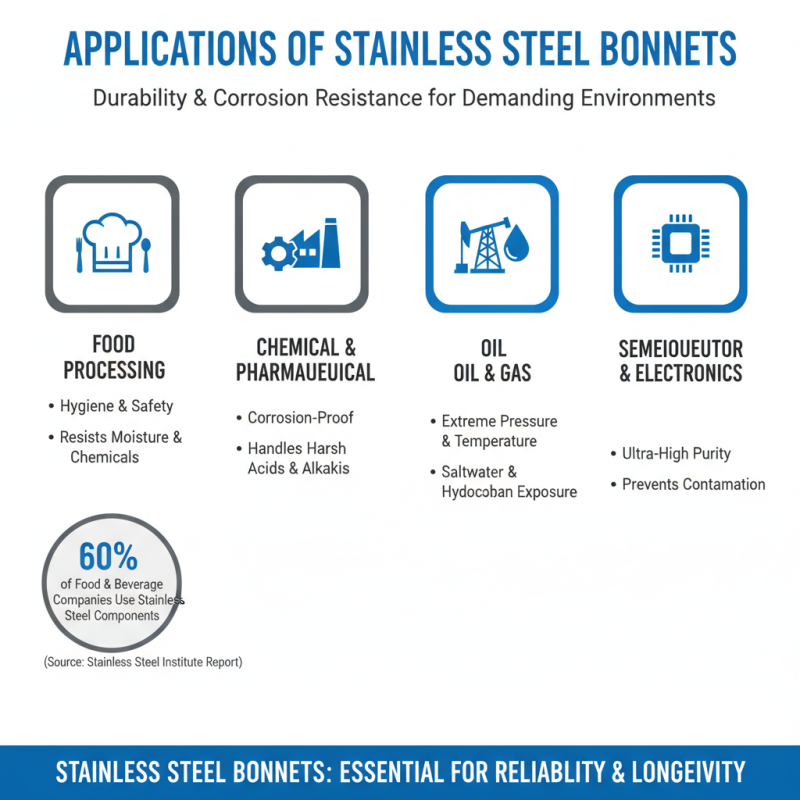
Stainless steel bonnets have become essential in various industries. Their durability and resistance to corrosion make them ideal for environments prone to moisture and chemicals. For example, the food processing industry relies heavily on stainless steel for hygiene and safety. According to a report by the Stainless Steel Institute, 60% of food and drink companies have adopted stainless steel components in their facilities.
In the automotive sector, stainless steel bonnets are integral to engine components. They withstand high temperatures and resist chemical exposure. The automotive industry’s demand for lightweight materials has also increased the use of stainless steel. A recent analysis shows a 15% growth in the adoption of stainless steel products in this field over the past five years. However, while stainless steel is durable, improper installation can lead to leaks or mechanical failures. This is an area that warrants more attention.
The pharmaceutical industry also benefits from using stainless steel bonnets. These components prevent contamination and ensure product safety. Some studies suggest around 70% of pharmaceutical manufacturers use stainless steel for production equipment. While this trend is promising, maintenance issues frequently arise. For instance, tarnishing and surface damage can occur, impacting longevity. Addressing these aspects can improve overall efficiency in the long run.