How to Choose the Right Valve Body Gasket for Your Vehicle?
When choosing the right Valve Body Gasket, vehicle performance is paramount. A study by Automotive Aftermarket Suppliers Association reveals that improper gasket selection can lead to mechanical failures in about 30% of cases. A suitable gasket ensures optimal fluid sealing, contributing to efficient operation and longevity of the transmission system.
Many consumers overlook the importance of quality in gaskets. Unfortunately, cheap alternatives may save money initially but lead to costly repairs later. The right Valve Body Gasket can dramatically affect the vehicle's overall performance. A high-quality gasket can withstand extreme temperatures and pressures that less effective options cannot.
Beyond material and price, compatibility is crucial. Every vehicle has specific requirements. Industry reports indicate that mismatched gaskets can lead to leaks, affecting transmission fluid levels and vehicle performance. It’s vital for vehicle owners to invest time in research and consult experts when selecting their Valve Body Gasket. Embracing this diligence can prevent potential problems down the road, fostering a more reliable and efficient driving experience.
Understanding the Function of Valve Body Gaskets in Vehicles
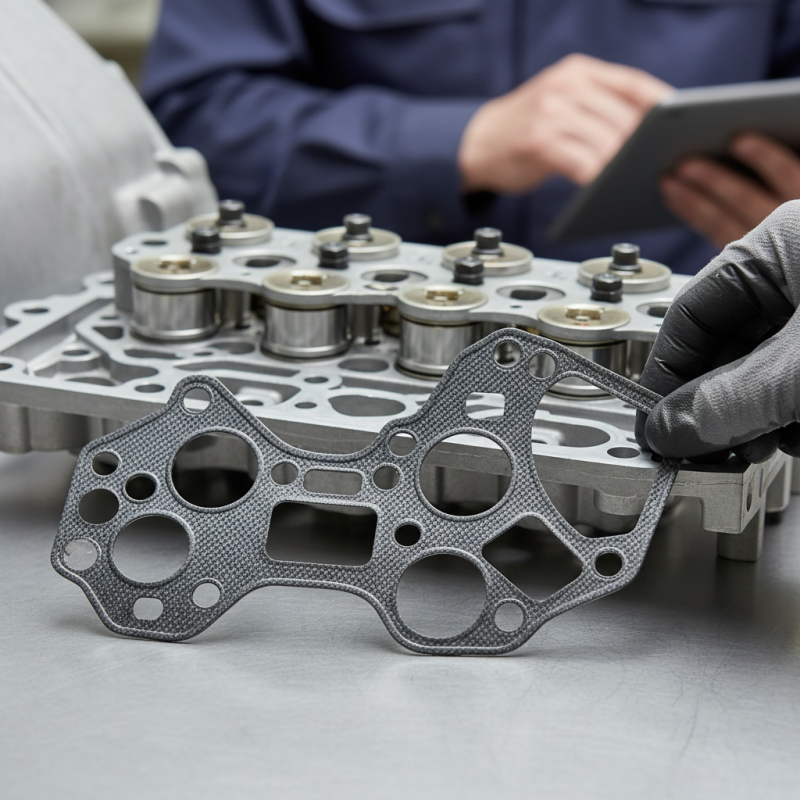
The valve body gasket plays a crucial role in a vehicle's transmission system. It creates a seal between the valve body and the transmission case. This seal prevents fluid leaks and ensures proper pressure within the system. Without it, the transmission may not function correctly. Fluid loss can lead to overheating and mechanical failure.
Understanding its function is vital for vehicle maintenance. A worn-out gasket can cause erratic shifting and poor performance. You may notice a transmission fluid leak under your vehicle. This indicates a gasket issue that needs your attention. Choosing the right gasket is not just about fit. It should also be made from durable materials to withstand high temperatures.
Improper installation can lead to more problems. Tightening it too much can cause damage. Conversely, too loose may result in leaks. It's essential to follow guidelines during installation. Consider checking for any other wear in the transmission while replacing the gasket. This attention to detail can prevent future issues and ensure your vehicle runs smoothly.
Identifying the Different Types of Valve Body Gaskets Available
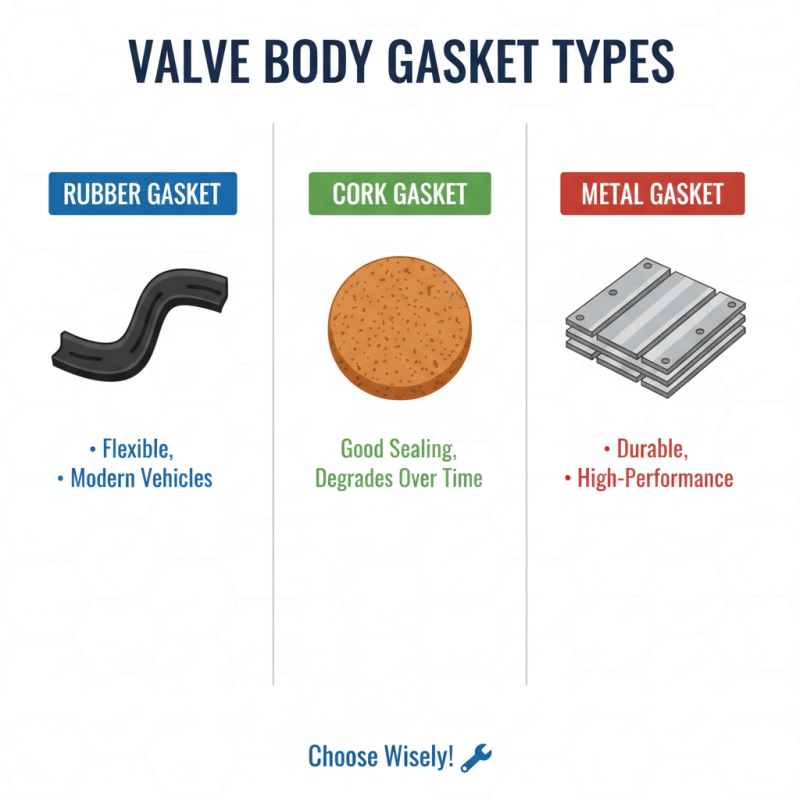
When selecting a valve body gasket, understanding the types available is crucial. Several types exist, each designed for specific needs. Common options include rubber, cork, and metal gaskets. Rubber gaskets are flexible and often used in modern vehicles. Cork gaskets offer excellent sealing but can degrade over time. Metal gaskets are durable and suited for high-performance applications.
Different vehicles may require different gasket types. It’s not just about compatibility; the environment matters too. High temperatures or exposure to fluids can affect gasket performance. Choosing the wrong material can lead to leaks or failures. This choice impacts the overall function of the vehicle's transmission.
Ensuring a proper fit is key. Some gaskets are molded, while others are flat. An improper seal may cause serious issues. It’s wise to read vehicle specifications. Doing so ensures you choose the correct gasket type. Ignoring this can lead to costly repairs and extended downtime. Take your time and consider all options before making a decision.
Key Factors to Consider When Selecting a Valve Body Gasket
Choosing the right valve body gasket for your vehicle is crucial. The gasket ensures a proper seal, preventing leaks and maintaining optimal performance. Several key factors can guide your selection process.
Material is essential. Different gaskets are made from various materials, including rubber and silicone. According to industry reports, rubber gaskets are durable but may degrade over time. Silicone gaskets, however, provide better resistance to heat. Evaluate your vehicle's operating temperature and conditions to choose wisely.
Pay attention to fitment. An ill-fitting gasket can lead to serious leaks. Some reports suggest that nearly 15% of gasket failures are due to installation errors. Precision is vital. Ensure the gasket matches OEM specifications for your vehicle.
Tips: Always clean the mating surfaces before installation. This simple step can increase the gasket's longevity. Double-check the torque specifications during installation. Over-tightening can cause unnecessary stress and premature failure. Consider these small details to avoid larger issues down the road.
How to Choose the Right Valve Body Gasket for Your Vehicle? - Key Factors to Consider When Selecting a Valve Body Gasket
| Factor |
Description |
Material |
Compatibility |
Temperature Resistance |
Cost |
| Size |
Ensure the gasket fits the specific valve body dimensions. |
Rubber |
Make sure it is suitable for your vehicle model. |
Up to 200°C |
$10-$25 |
| Material Quality |
Higher quality materials offer better sealing and longevity. |
Silicone |
Compatible with a wider range of vehicles. |
Up to 250°C |
$20-$40 |
| Manufacturer |
Select a reputable manufacturer for reliability. |
Composite |
Check for OEM specifications. |
Up to 180°C |
$15-$35 |
| Sealing Performance |
Consider gaskets that are designed for superior sealing. |
Felt |
Specific for high-performance engines. |
Up to 220°C |
$25-$50 |
How to Measure and Compare Gasket Compatibility with Your Vehicle
When selecting a valve body gasket, proper measurement is essential. It’s important to collect accurate dimensions of your vehicle’s gasket space. Precision is key. Gaskets must match the contours of the valve body perfectly. A mismatch can lead to leaks or operational failure. For instance, a study indicated that nearly 15% of automotive maintenance issues arise from improper gasket installations.
Start by measuring the diameter and thickness of your current gasket. A slight variance can affect the engine's performance. Some professionals suggest using calipers for detailed measurements. Additionally, check the shape and design. Different vehicles may have unique designs, impacting compatibility. Remember that OEM specifications can vary widely.
It’s also advised to compare materials. Gaskets are made from rubber, cork, or composite materials. Each type has different performance standards. Research shows that 30% of gasket failures are due to poor material selection. So, understanding the specific needs of your vehicle will enhance durability and performance. Keep in mind, overlooking these details can lead to significant repair costs in the future. Always ensure all components synchronize perfectly for the best results.
How to Choose the Right Valve Body Gasket for Your Vehicle
This chart illustrates the importance of various factors to consider when selecting a valve body gasket for vehicles, including Compatibility, Material, Thickness, and Price. Each factor is rated on a scale of 1 to 10 based on its significance.
Tips for Proper Installation and Maintenance of Valve Body Gaskets
When it comes to valve body gaskets, proper installation and maintenance are crucial for vehicle performance. A study by the International Journal of Automotive Engineering found that improper gasket installation can lead to significant leaks and pressure drops. This can eventually result in transmission malfunction, leading to costly repairs.
One of the key tips for maintaining valve body gaskets is to ensure a clean surface before installation. Dirt and debris can compromise the seal. For example, using an appropriate brake cleaner can help remove any residues. Also, checking the torque specifications is critical. Over-tightening can deform the gasket, while under-tightening may lead to leaks. Regular inspections every six months can catch minor issues before they escalate.
It's worth noting that material selection is vital. Rubber compounds can degrade over time due to heat and friction. A study revealed that not all gaskets perform similarly under various environmental conditions. Therefore, understanding your environment and usage can help in selecting the right gasket. Regularly monitoring for signs of wear and tear is a key part of valve body gasket maintenance.