Why Choose Pressure Seal Bonnet for Your Valve Needs?
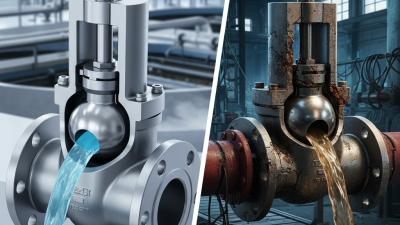
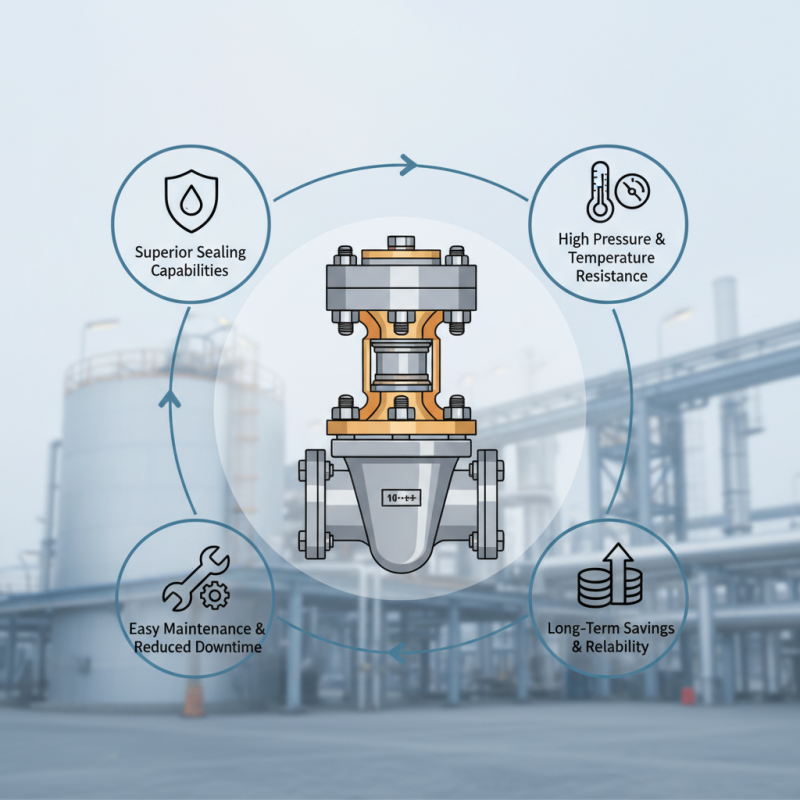
In industrial applications, the choice of valve design is crucial. Among various options, a Pressure Seal Bonnet stands out. This design provides superior sealing capabilities. It is particularly effective under high pressure and temperature conditions. The Pressure Seal Bonnet aids in preventing leaks, ensuring system integrity. Operators often face challenges in selecting the right valve.
Many might overlook the benefits of a Pressure Seal Bonnet. However, it offers enhanced performance and reliability. It can be beneficial for both long-term and short-term applications. The structure of this bonnet allows for easy maintenance, reducing downtime. It's a robust solution, but some may question its cost-effectiveness.
Reflecting on its features, a Pressure Seal Bonnet may seem ideal. Still, it requires careful consideration of specific needs. Not every application will benefit equally from this design. Therefore, evaluating operational demands is essential. A thoughtful approach can yield significant advantages and long-term savings.
Benefits of Pressure Seal Bonnet in Valve Applications
When it comes to valve applications, the pressure seal bonnet offers distinct advantages. Its design allows for a tight seal under high pressure, reducing the chance of leaks. In industries like oil and gas, where substances can be hazardous, this feature is critical. A recent study highlighted that pressure seal bonnets can decrease leak rates by up to 70% in comparison to conventional designs.
Furthermore, the durability of pressure seal bonnets makes them a preferred choice. They are often constructed from high-strength materials that resist corrosion and temperature changes. This durability means fewer replacements and maintenance schedule interruptions. According to industry reports, valves with pressure seal bonnets can have a lifespan extended by up to 25% in harsh environments.
Despite the many benefits, some users hesitate to adopt this technology. The initial costs can be higher than traditional options. However, when considering the long-term savings associated with maintenance and leak prevention, the pressure seal bonnet often proves to be a wise investment. It's essential to weigh the upfront costs against the potential for significant operational advantages. Careful consideration of application needs is vital.
Understanding Pressure Seal Bonnet Design and Functionality
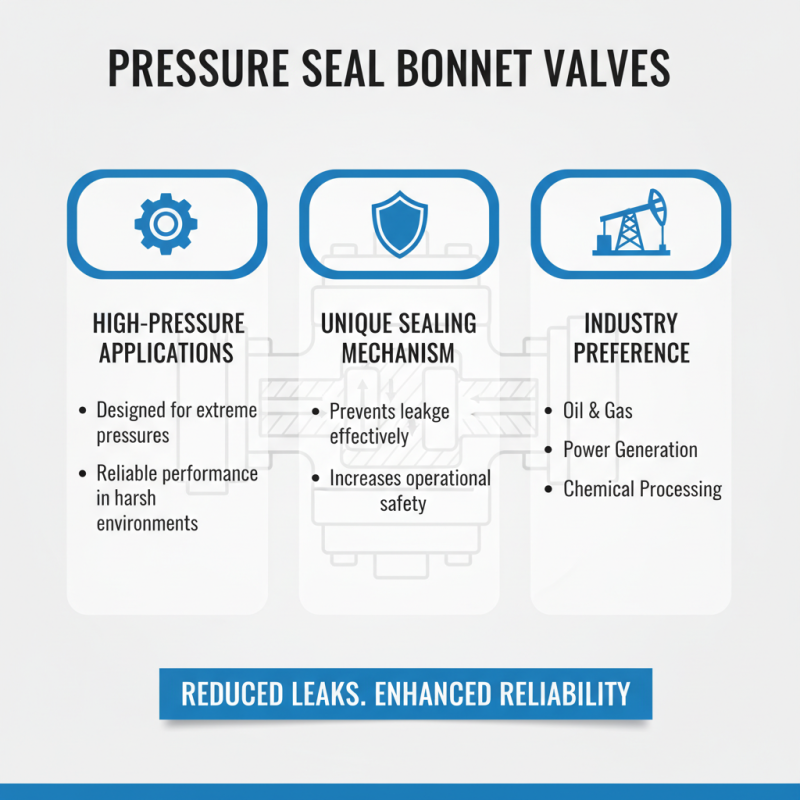
Pressure seal bonnet designs are often favored for their reliability. They feature a unique mechanism that ensures a tight seal under high-pressure conditions. This design minimizes leak risks, which is crucial in many industrial applications. The precision in the machining of these components contributes to their effectiveness.
These bonnets are known for their simple yet effective structure. Unlike traditional designs, they can withstand significant pressure changes. This quality makes them ideal for fluctuating operational environments. Their ability to accommodate thermal expansion and contraction is impressive. However, not all applications may require such robust features. Some users might find them overly complex for simpler tasks.
The pressure seal bonnet's functionality is enhanced by its materials. High-quality alloys and seals can improve durability and resistance. Yet, this may come at a higher initial cost. It’s essential to weigh the long-term benefits against the investment. Ensuring that the choice aligns with specific operational needs is vital. The balance between performance and cost should always be addressed.
Pressure Seal Bonnet Types and Their Advantages
This bar chart illustrates different types of pressure seal bonnets and their corresponding advantages in valve applications, highlighting their performance and suitability based on various factors.
Comparing Pressure Seal Bonnet with Traditional Valve Bonnet Types
When evaluating the best option for valve bonnets, pressure seal designs offer notable advantages. Traditional bonnets often face challenges in high-pressure environments. As reported by the Valve Manufacturers Association, leakage rates for traditional bonnets can reach up to 25%. This is a significant concern in industries like oil and gas, where safety is paramount.
Pressure seal bonnets utilize a unique design that creates a tighter seal as pressure increases. This dramatically reduces leakage potential. Studies show that pressure seal valves can decrease fugitive emissions by as much as 90%. Such efficiency is crucial for meeting stringent environmental regulations.
However, pressure seal technology is not without its drawbacks. The initial costs can be higher than traditional options. Maintenance procedures may also be more complex. Users must consider if the benefits outweigh these challenges. Investing in the right bonnet type requires careful analysis of specific needs.
Why Choose Pressure Seal Bonnet for Your Valve Needs? - Comparing Pressure Seal Bonnet with Traditional Valve Bonnet Types
| Feature |
Pressure Seal Bonnet |
Traditional Bonnet |
| Leakage Resistance |
Excellent |
Good |
| Suitable Pressure Range |
High Pressure |
Medium Pressure |
| Maintenance Requirement |
Low |
Medium |
| Installation Complexity |
Moderate |
Low |
| Cost Efficiency |
High Long-Term |
Lower Initial |
Common Industries Utilizing Pressure Seal Bonnet Valves
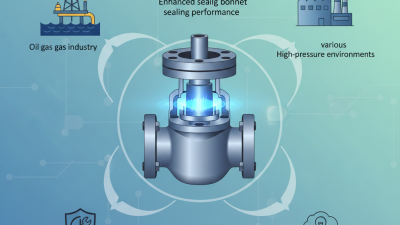
Pressure seal bonnet valves find their place in various industries due to their unique advantages. These valves excel in high-pressure and high-temperature environments. They are particularly favored in oil and gas, power generation, and chemical manufacturing sectors. The design allows for better sealing, reducing the risk of leaks. Many facilities need such reliability for safety and efficiency.
In oil and gas, pressure seal bonnet valves manage critical flows. They ensure that hazardous materials are contained, allowing operations to run smoothly. In power generation, these valves cope with extreme conditions. They play a vital role in steam and cooling systems, enhancing plant safety. Chemical manufacturers value these valves as they can handle aggressive substances.
However, not every application may benefit from them. Some users struggle with installation and maintenance complexity. Though these valves are robust, they require careful handling. Regular checks can mitigate issues, but it's an extra task. The importance of correct application cannot be overstated. These pitfalls need addressing to maximize effectiveness.
Maintenance and Longevity of Pressure Seal Bonnet Valves
Pressure seal bonnet valves are designed for high-pressure applications. Their unique sealing mechanism ensures reliability and reduces leaks. This makes them a preferred choice in many industries, including oil and gas.
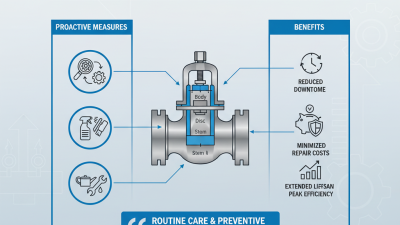
Maintenance is crucial for extending the lifespan of these valves. Regular inspections can reveal wear or damage early. It’s essential to check the sealing surfaces for any signs of degradation. Over time, debris or corrosion can hinder performance. When issues arise, addressing them promptly prevents costly failures.
Longevity also depends on operational conditions. High temperatures and abrasive fluids can accelerate wear. It’s important to understand your valve's environment. Choosing the right materials for specific applications can help. However, sometimes, unexpected failures occur. Reflecting on these incidents helps improve future choices. Regular training for personnel on valve care can bolster reliability.