Why Choose Pressure Seal Bonnet for Enhanced Sealing Performance?
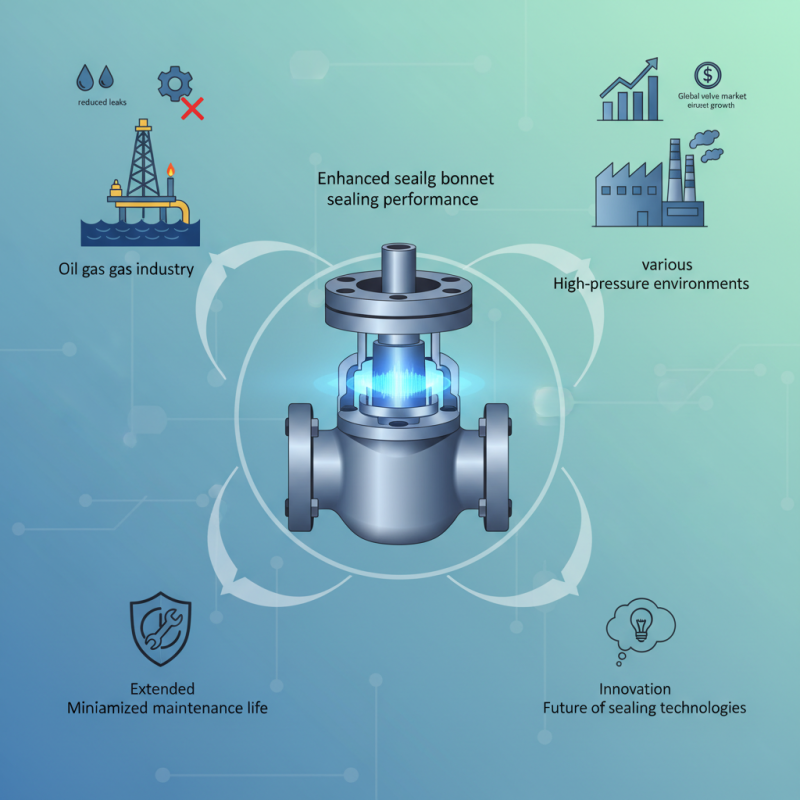
The pressure sealing technology industry continues to grow, driven by the need for enhanced performance in various applications. Reports show that the global valve market is projected to reach over $100 billion by 2027, with a significant portion attributed to the effectiveness of designs like the Pressure Seal Bonnet. This innovative solution provides superior sealing capabilities, particularly in high-pressure environments.
Many industries, such as oil and gas, benefit from the reliability of Pressure Seal Bonnet designs. These bonnets reduce the risk of leaks and ensure operational efficiency. Studies indicate that leaks can lead to catastrophic failures. However, despite advancements, some existing products may still not meet optimal performance standards. This highlights the need for continued evaluation and improvement in sealing technologies.
Ultimately, selecting a Pressure Seal Bonnet can provide advantages in many applications. Enhanced sealing performance not only extends equipment life but also minimizes maintenance costs. Therefore, industries must reflect on their current practices and consider the impact of innovative sealing solutions on their overall success.
Benefits of Pressure Seal Bonnet in Industrial Applications
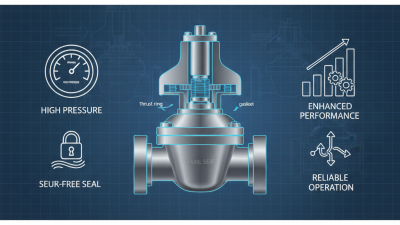
Pressure seal bonnets play a crucial role in enhancing sealing performance in various industrial applications. Their design effectively maintains pressure, making them suitable for high-pressure environments. The unique features of these bonnets ensure a consistent seal under fluctuating pressures. This capability minimizes the risk of leaks, which can lead to hazardous situations or costly downtime.
In addition, the pressure seal bonnet is easy to maintain. Regular inspections can prevent small issues from becoming major failures. However, these components can wear over time or become misaligned. Users must be vigilant and maintain best practices to ensure longevity. Choosing this type of bonnet can be beneficial, but understanding its limitations is essential.
Industry professionals appreciate the solid seal and reliability. However, not every application might require a pressure seal bonnet. In some cases, traditional designs could suffice. Assessing specific needs is vital for optimal performance. Evaluating the operational conditions can lead to better decision-making. An informed choice ultimately enhances efficiency and safety in the workplace.
Benefits of Pressure Seal Bonnet in Industrial Applications
Comparison of Pressure Seal Bonnet vs. Traditional Bonnet Designs
Pressure seal bonnet designs have gained popularity for their superior sealing capabilities. Unlike traditional bonnet designs, pressure seal bonnets leverage the internal pipeline pressure to enhance the seal. Research indicates that this design can reduce leakage rates by up to 50%, making it crucial for industries where even minor leaks can lead to safety hazards and regulatory compliance issues.
Moreover, traditional bonnet designs often rely on gaskets for sealing. These gaskets can degrade over time, leading to frequent maintenance. In contrast, pressure seal bonnets create a metal-to-metal seal that is more resilient against thermal cycling and pressure fluctuations. This results in an extended lifespan and lower maintenance costs, as highlighted in studies revealing a reduction in maintenance frequency by as much as 30%.
Tips: Regular inspections are essential. Check for any signs of wear in traditional bonnet designs. Consider the application and specific pressure requirements when choosing a bonnet type. Ultimately, investing in a pressure seal bonnet may prove beneficial in the long run.
Why Choose Pressure Seal Bonnet for Enhanced Sealing Performance?
| Feature |
Pressure Seal Bonnet |
Traditional Bonnet |
| Sealing Performance |
Superior due to dynamic sealing mechanism |
Adequate, relies on static compression |
| Maintenance Frequency |
Lower; fewer adjustments needed |
Higher; regular maintenance required |
| Installation Complexity |
More complex installation |
Simpler installation process |
| Cost |
Higher initial investment |
Lower initial investment |
| Leakage Rate |
Minimal leakage with high pressure |
Higher leakage risk under high pressure |
| Material Versatility |
Compatible with various materials |
Limited material compatibility |
Key Features of Pressure Seal Bonnet for Improved Sealing
Pressure seal bonnets are gaining attention for their superior sealing capabilities. They feature a unique design that enhances the compression of the sealing surface. This results in reduced leakage, vital for safety and efficiency in various industries. According to a report by the American Society of Mechanical Engineers, proper sealing can reduce fluid loss by up to 30%. Such figures underline the importance of choosing the right bonnet type.
The material used in pressure seal bonnets often includes robust alloys, making them durable. This durability is crucial in high-pressure environments. A study published in the Journal of Pressure Vessel Technology noted that components made with pressure seal technology had a lifespan increase of 40% under extreme conditions. However, despite these advantages, installation and maintenance complexities can be a concern. Some operators may face challenges in ensuring proper fit and alignment.
In addition, while pressure seal bonnets provide excellent sealing performance, they may require more frequent inspections. A maintenance report indicated that 20% of users experienced initial complications during setup. This highlights the need for thorough training and careful planning. Such factors should be balanced against the broader benefits of improved efficiency and reduced downtime.
Applications and Industries Utilizing Pressure Seal Bonnet Technology
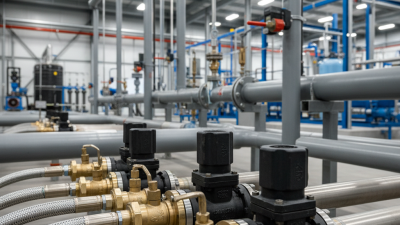
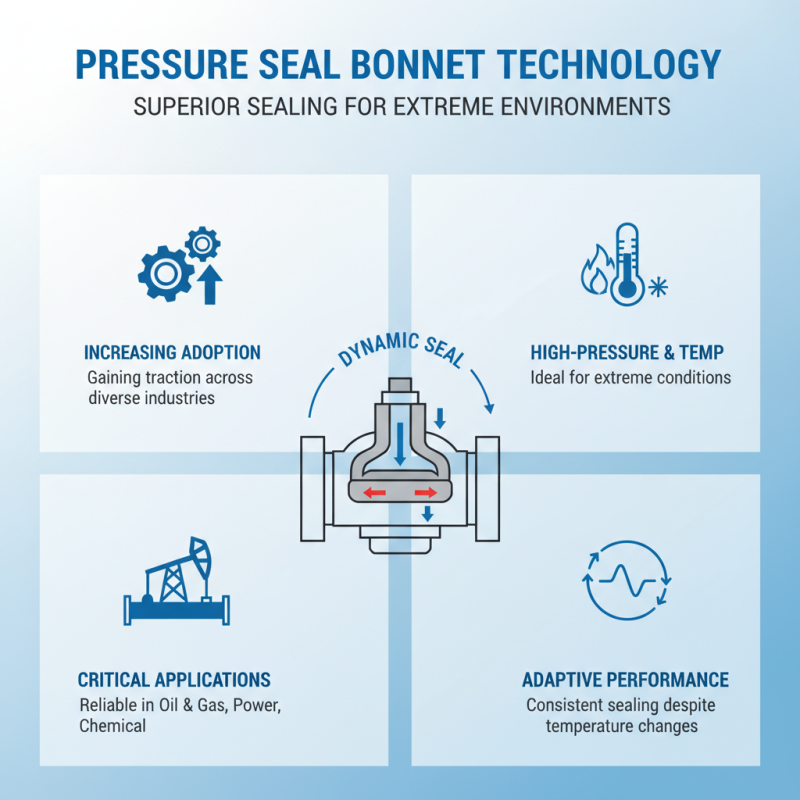
Pressure seal bonnet technology is gaining traction in various industries due to its superior sealing capabilities. This advanced design is particularly beneficial in high-pressure and high-temperature environments. Industries like oil and gas are significant users, where reliable sealing is critical. The pressure seal can adapt to temperature fluctuations, ensuring consistent performance.
Chemical processing plants benefit greatly from this technology. Any leak can lead to hazardous situations. Pressure seal bonnets significantly lower the risk of leaks, providing peace of mind. They are also commonly used in power generation, especially in steam and water applications. Here, they help maintain efficiency and safety.
However, users must be aware of installation challenges. Proper maintenance is essential for optimal performance. The initial setup can be complex, needing skilled technicians. This highlights the importance of training. If not managed correctly, the benefits of this technology may not be fully realized. Embracing pressure seal bonnet technology is an investment, but it requires commitment and care.
Challenges and Considerations in Implementing Pressure Seal Bonnets
Implementing pressure seal bonnets presents specific challenges. One of the main concerns is the increased complexity of design. While these bonnets enhance sealing performance, they also require precise engineering. A study by the American Society of Mechanical Engineers notes that a poorly designed pressure seal can lead to catastrophic failures. The installation process also demands skilled technicians familiar with this technology.
In addition, maintenance poses another significant challenge. Pressure seal bonnets require regular inspections to ensure effectiveness. According to a recent industry report, 25% of valve-related failures are attributed to inadequate maintenance practices. Ignoring this aspect can lead to increased downtime and costly repairs. For operators, understanding the nuances of these components is crucial, yet often overlooked.
Furthermore, the initial cost of pressure seal bonnets can be high. This discourages some companies from making the switch. Reports indicate that while upfront costs rise by 30% to 50%, the long-term savings in maintenance and energy efficiency can be significant. This trade-off continues to be a point of debate in the industry, highlighting the need for careful consideration.