What is a Bolted Bonnet and How Does It Work in Valve Design?
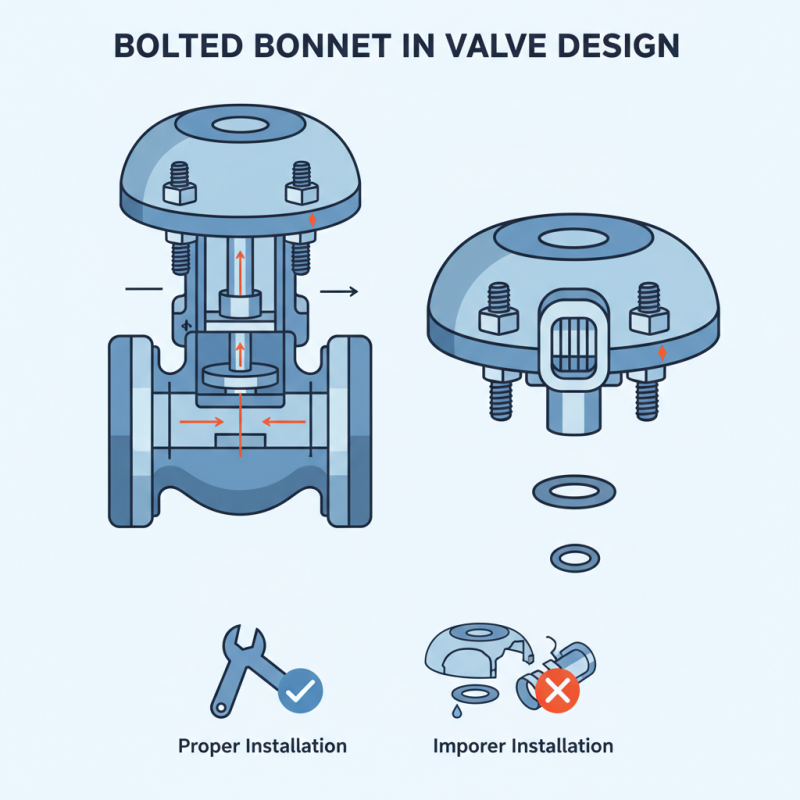
A Bolted Bonnet is a crucial component in valve design. It plays a significant role in ensuring a reliable seal and durability. The bolted design uses screws to attach the bonnet to the valve body. This method offers easy assembly and disassembly, which is beneficial for maintenance.
Understanding how a Bolted Bonnet works provides insight into its importance. The design allows for adjustments to maintain a tight fit, essential for high-pressure applications. However, improper installation can lead to leaks and failures, highlighting the need for careful handling.
In valve operations, the integrity of the Bolted Bonnet is paramount. It impacts the overall performance and safety of the system. Even small errors in the installation can create significant issues. As industries rely on these valves, recognizing the potential drawbacks is essential for improvement.
What is a Bolted Bonnet in Valve Engineering?
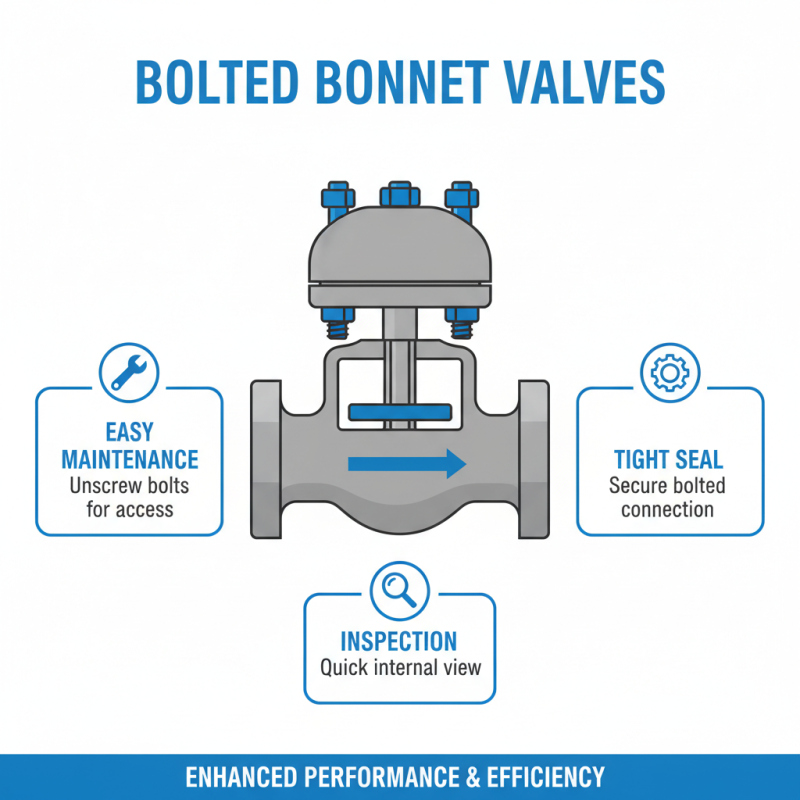
A bolted bonnet is a crucial component in valve engineering. It provides a reliable seal between the valve body and the bonnet. This design is popular in various applications, especially in high-pressure systems. The bolted connection enables easy maintenance and allows for quick inspection of internal components.
According to industry reports, bolted bonnets reduce the risk of leaks significantly. Some studies suggest that they can lower leakage rates by up to 30% compared to welded designs. This is important for safety and efficiency. However, challenges exist. Over time, bolts may loosen due to vibration or thermal expansion. Regular maintenance is essential to avoid failures.
For engineers, understanding the balance between strength and flexibility is vital. A rigid design may resist pressure but can crack under thermal stress. Conversely, too much flexibility might lead to leaks. These complexities can complicate the design process. As a result, careful selection of materials and proper installation are critical for optimal performance. Bolted bonnets exemplify both innovation and ongoing challenges in valve technology.
Key Components of Bolted Bonnet Valves and Their Functions
Bolted bonnet valves feature several key components that enhance their performance in various applications. The bonnet is attached to the valve body using bolts, creating a tight seal. This design allows for easy maintenance and inspection. When valve operators need to perform repairs, they can simply unscrew the bolts. This process is often more efficient than alternatives.
The valve stem is another critical component. It connects the actuator to the valve disc. The stem transfers motion, ensuring the valve opens and closes smoothly. An issue with the stem can lead to valve failure. Regular checks are essential to avoid such problems. Moreover, the sealing gasket plays a vital role in preventing leaks. If the gasket wears out, fluid can escape.
Lastly, the body material matters. A strong and corrosion-resistant material is crucial for durability. However, not all materials are perfect for every situation. Each choice has its pros and cons. Incomplete specifications can lead to issues later. Understanding these components helps in selecting the right bolted bonnet valve for specific applications.
Advantages of Using Bolted Bonnet Design in Industrial Applications
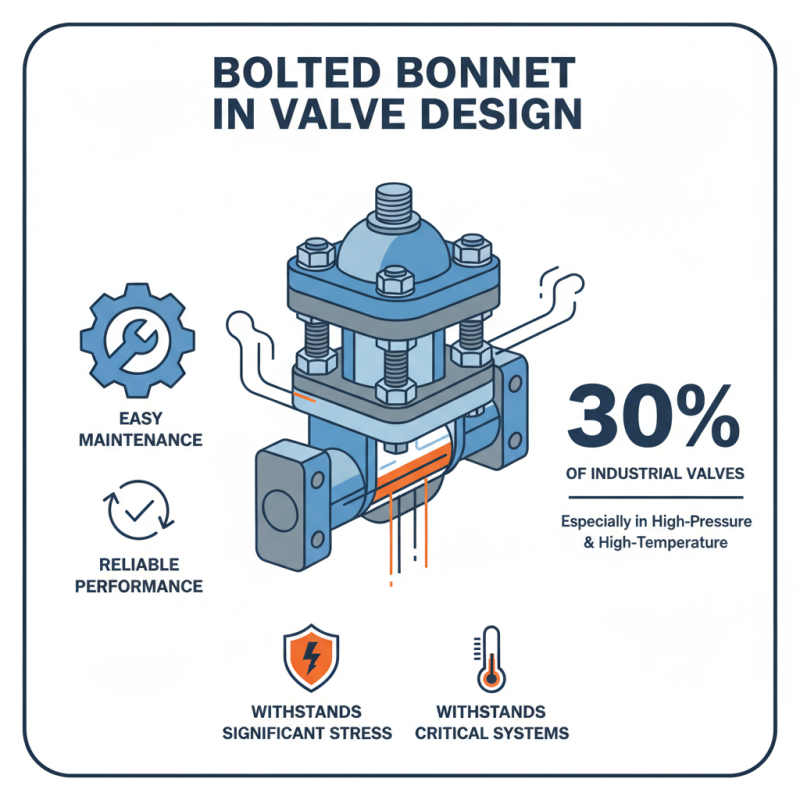
Bolted bonnets are increasingly favored in valve design due to their unique advantages. This type of design allows easy maintenance and reliable performance. According to industry reports, approximately 30% of industrial valves utilize bolted bonnets, especially in high-pressure and high-temperature applications. These valves can withstand significant stress, making them suitable for critical systems.
One key benefit is the ability to achieve optimal sealing. The bolted design helps in maintaining the integrity of the joint, reducing the risk of leaks. In a study by an engineering firm, valves with bolted bonnets showed a 25% increase in longevity compared to welded alternatives. This aspect can lead to substantial cost savings over time, reinforcing the value of this design choice.
Tips: When selecting a valve, consider your application’s pressure and temperature requirements. Ensure that the bolted bonnet meets these specifications for best performance. Be aware of potential challenges with maintenance. A poorly maintained valve can diminish the benefits of the bolted design, leading to costly failures. Regular inspections are essential for maximizing efficiency.
Comparison of Bolted Bonnet and Welded Bonnet Valve Designs
Bolted bonnets and welded bonnets serve different purposes in valve design. The bolted bonnet is secured with fasteners, allowing for easier maintenance. This design is convenient when repairs are necessary. Changing seals or internal components can be done quickly. In contrast, a welded bonnet provides a permanent seal. It is more robust and reduces potential leakage. However, this makes maintenance challenging.
Bolted bonnets tend to be lighter. They are often found in smaller applications. In industries where regular maintenance is needed, this is an advantage. Welded bonnets are commonly used in high-pressure environments. They withstand harsh conditions better than bolted designs. Yet, the rigidity can lead to problems if any part fails. Replacing a welded bonnet typically means scrapping the entire unit.
Both designs have their place in industry. Bolted bonnets allow flexibility but may require more frequent attention. Sometimes, users overlook the need for regular checks on bolted units, leading to unexpected failures. On the other hand, welded bonnets offer durability but can be a hassle if maintenance is ignored. Ultimately, each design has its trade-offs, and the right choice depends on specific needs.
Comparison of Bolted Bonnet and Welded Bonnet Valve Designs
| Feature |
Bolted Bonnet Valve |
Welded Bonnet Valve |
| Ease of Maintenance |
High, allows easy disassembly |
Low, requires cutting of welds for disassembly |
| Leak Prevention |
Effective with proper sealing |
Highly effective due to continuous joint |
| Cost |
Generally lower due to simpler design |
Typically higher due to welding process |
| Durability |
Good, but depends on bolt integrity |
Excellent, more resistant to pressures |
| Application Suitability |
Suitable for low to moderate pressure |
Ideal for high pressure and temperature |
Maintenance and Inspection Practices for Bolted Bonnet Valves
Bolted bonnet valves are critical components in various industrial applications. Regular maintenance is essential to ensure their longevity and performance. Studies indicate that proactive maintenance can reduce unexpected failures by up to 30%. Equipment reliability often hinges on routine inspections.
Inspection practices should include visual checks for leaks, corrosion, and wear. Utilizing ultrasonic testing can detect issues not visible to the eye. Research shows that 40% of valve failures result from undetected leaks. Operators must prioritize this aspect. Even minor signs of wear may signal significant underlying problems.
Training personnel on proper inspection techniques is vital. A study revealed that 25% of valve malfunctions stem from human error during maintenance. Documenting inspections and findings helps track valve conditions over time. Consistent records provide insights into trends and recurring issues. Regular checks and professional training lead to improved operational efficiency. Ultimately, inspections serve as the first line of defense against costly failures.