2026 Best Valve Stem Options for Your Vehicle Needs?
When it comes to ensuring optimal performance for your vehicle, the choice of valve stem cannot be overlooked. The right valve stem plays a crucial role in maintaining tire pressure and ensuring safety on the road. It acts as a barrier, keeping air in and preventing leaks.
In 2026, the variety of valve stem options available has expanded significantly. With materials ranging from rubber to metal, each type offers distinct advantages. For instance, metal valve stems tend to be more durable, while rubber ones are more affordable. Yet, many vehicle owners overlook these differences, risking safety and performance.
As you explore the best valve stem options for your needs, consider factors like compatibility and installation. A poorly chosen valve stem may lead to tire issues and costly repairs. It’s essential to reflect on your choices and understand what suits your driving habits best. Making an informed decision today can save you trouble tomorrow.

Overview of Valve Stems and Their Importance in Vehicles
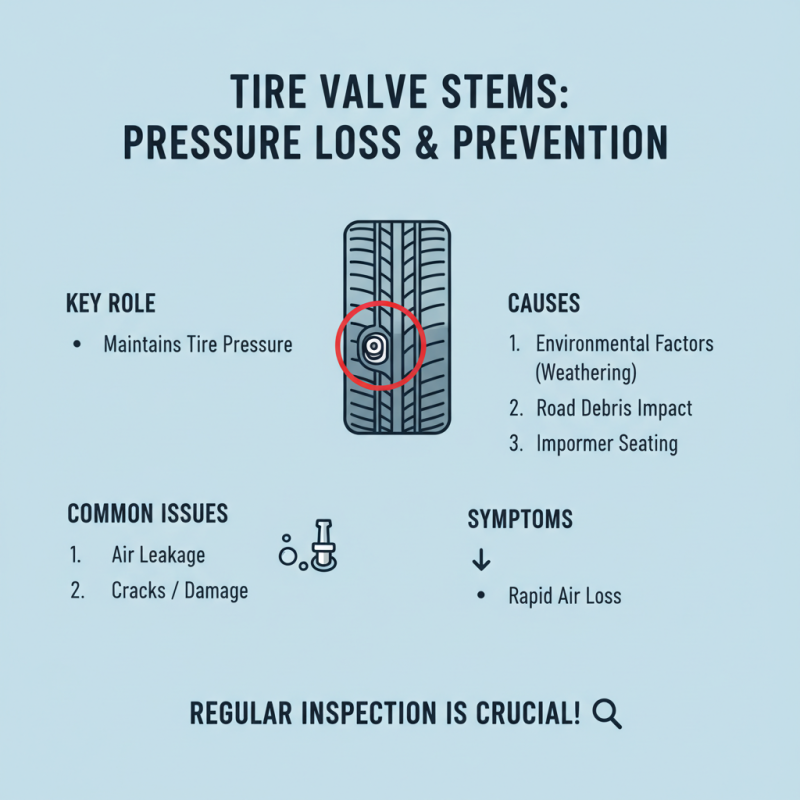
Valve stems play a critical role in a vehicle's performance. They are essential components of tire pressure systems. A properly functioning valve stem keeps air in the tire. If they fail, tires can lose pressure rapidly. This not only affects driving safety but can also lead to poor fuel efficiency.
When selecting valve stems, consider the material. Rubber is common but can degrade over time. Metal stems offer durability, but they may corrode. Check your vehicle specifications. Not every valve stem fits all tires. Installation matters too; improper fitting can lead to leaks.
Tips: Always inspect valve stems for wear. A simple visual check can save you problems later. Replace stems during tire changes. Don’t wait until you notice a leak. Regular maintenance ensures safer driving.
2026 Best Valve Stem Options for Your Vehicle Needs
| Valve Stem Type |
Material |
Compatibility |
Temperature Range (°F) |
Weight (grams) |
Price ($) |
| Standard Rubber |
Rubber |
Most Vehicles |
-40 to 125 |
20 |
4.99 |
| Metal Valve Stem |
Aluminum |
Performance Vehicles |
-40 to 150 |
15 |
9.99 |
| TPMS Valve Stem |
Rubber/Plastic |
Vehicles with TPMS |
-40 to 140 |
25 |
7.49 |
| Snap-in Valve Stem |
Rubber |
Passenger Cars |
-40 to 120 |
18 |
3.99 |
| High-Performance Valve Stem |
Composite |
Racing Vehicles |
-40 to 160 |
12 |
15.99 |
Types of Valve Stems Available for Different Vehicle Models
When selecting valve stems for your vehicle, understanding the different types available is crucial. There are several options depending on your vehicle model. Rubber valve stems are widely used in passenger cars for their affordability and ease of installation. Metal valve stems offer enhanced durability and are usually found in high-performance vehicles. According to industry reports, choosing the right valve stem can improve tire life by up to 15%.
Tips: Always check the specifications of your vehicle. Make sure the valve stem matches your tire's requirements.
For trucks and SUVs, heavy-duty valve stems are essential. They can withstand higher pressures and harsher conditions. A common mistake is using standard valve stems, which may fail under stress. A recent survey indicated that nearly 30% of drivers overlook this detail, leading to premature failures.
Tips: Inspect your valve stems regularly. Replace any that show signs of wear or damage. This simple check can save you from costly repairs.
Key Considerations When Choosing the Right Valve Stem
When selecting valve stems for vehicles, there are several key considerations. First, the material is crucial. Common options include rubber, metal, and plastic. Each material offers different durability and resistance to environmental conditions. Reports indicate that rubber valves may wear out faster than metal ones, especially under extreme temperatures. This is an area that deserves reflection.
Proper sizing also plays an essential role. A valve stem must fit snugly to prevent leaks. Incorrect sizing can lead to air loss. Industry studies show that improperly fitted stems can reduce tire pressure by up to 25%. Such statistics highlight the importance of accurate measurements.
Another factor is the valve stem's design. Some designs are better at resisting dirt and moisture. A design that traps contaminants may require more frequent replacements. Regular maintenance can overlook this aspect, leading to unnecessary costs. These details warrant careful consideration for optimal performance.
Installation and Maintenance Tips for Valve Stems
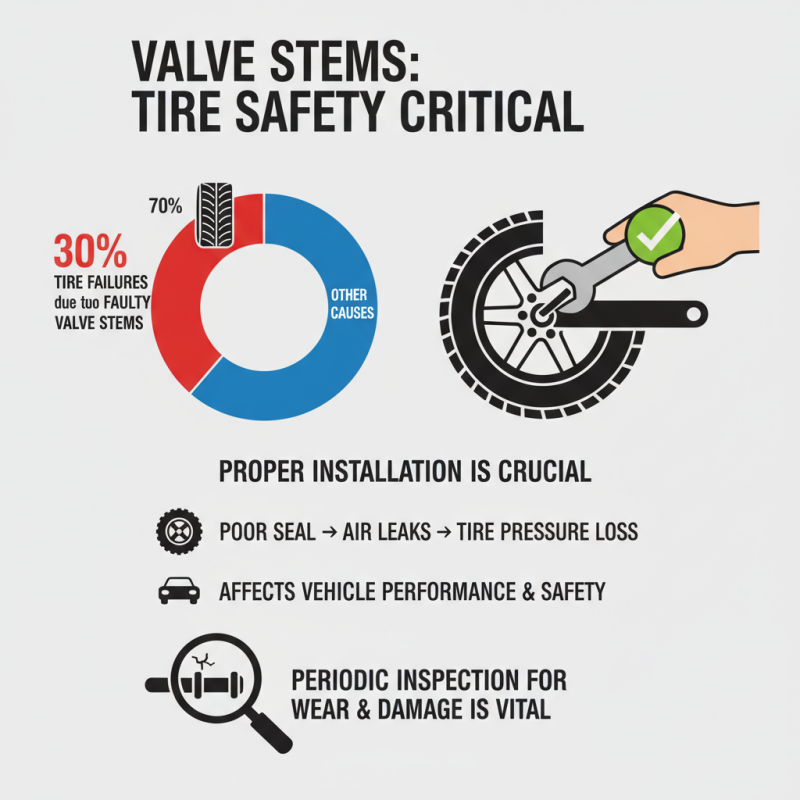
When dealing with valve stems, proper installation and maintenance are crucial. A recent industry report indicates that up to 30% of tire failures are due to faulty valve stems. This statistic highlights the importance of ensuring that valve stems are installed correctly. A poor seal can lead to air leaks, affecting tire pressure and vehicle performance. It is vital to inspect valve stems periodically for any signs of wear or damage.
Routine maintenance of valve stems includes checking for cracks, leaks, or corrosion. Using a valve cover to protect against debris can extend the lifespan of the stems. A visual inspection is a good practice but may not catch every issue. Installing a new valve stem during every tire change can be an effective measure. This is because worn stems often fail without warning.
Sometimes, drivers neglect valve stem upkeep. This negligence can lead to costly repairs. Regular checks can prevent these mishaps. Also, understanding the torque specifications for valve stem installation is necessary to avoid over-tightening. An excess amount can damage the stem, leading to issues down the road. Being proactive about valve stem care ensures safety and enhances vehicle longevity.