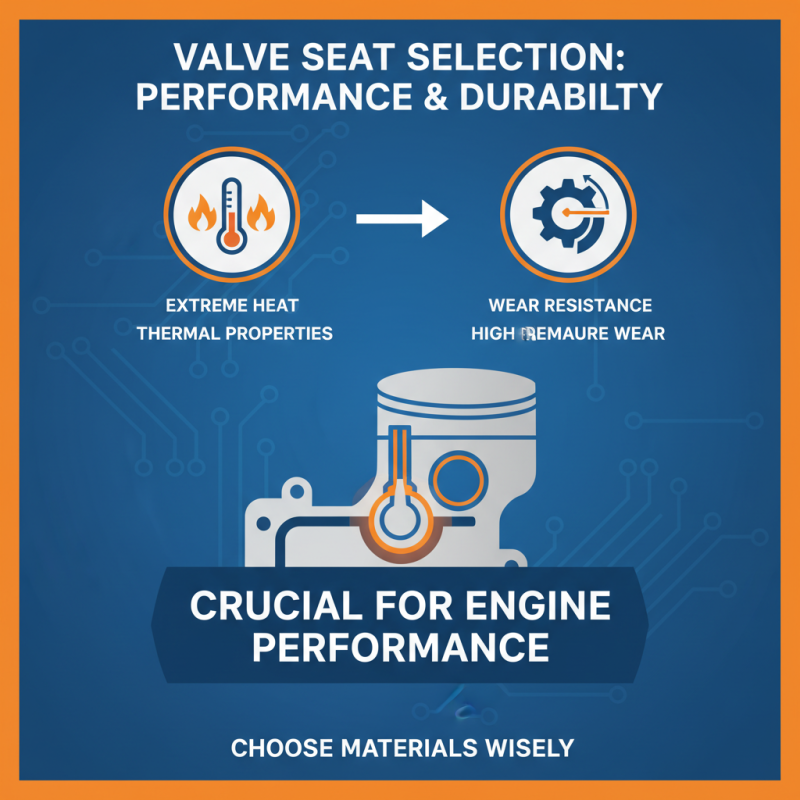
In the world of engine performance, the choice of the valve seat plays a crucial role. Experts like John Smith, a renowned automotive engineer, emphasize its significance. He states, "The right valve seat can enhance engine efficiency dramatically." This statement underlines the importance of selecting high-quality options.
Valve seats are critical for sealing and durability. An optimal valve seat helps maintain compression and reduces wear. Many mechanics note that using inferior materials can lead to early engine failure. The balancing act between cost and quality often leads to tough decisions.
When exploring the best valve seat options, considering factors like material composition and heat resistance is essential. Even slight variations in design can affect performance. Engine builders should never overlook the valve seat in their tuning process. Each choice carries weight in the quest for efficiency and reliability.
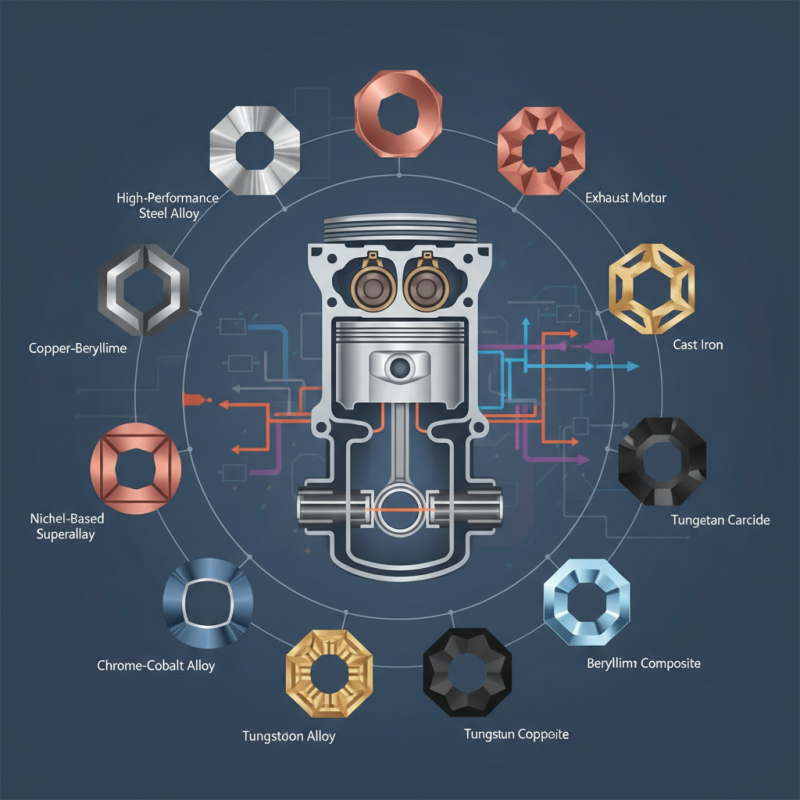
Choosing the right valve seat is crucial for optimal engine performance. Research indicates that materials like hardened steel and copper alloys enhance durability. The valve seat must withstand extreme heat and pressure. For instance, the average operating temperature in high-performance engines can exceed 200°C. This creates a strong demand for materials that can endure such conditions.
Inadequate valve seat selection can lead to poor sealing and reduced efficiency. In fact, studies reveal that engines with improperly fitted valve seats can lose up to 10% of their power. This loss can be critical for racing applications, where performance is paramount. Precision fitting and machining are often necessary to achieve the best results.
Engine builders frequently face challenges in matching the right valve seat material with engine specifications. Each engine type has its unique requirements. For instance, turbocharged engines often require specific heat-resistant materials. Without this careful consideration, performance gains may be minimal. Regularly assessing valve wear and performance can provide valuable insight, leading to better decision-making in future builds.
| Valve Seat Material | Thermal Conductivity (W/m·K) | Density (g/cm³) | Hardness (Rockwell) | Corrosion Resistance |
|---|---|---|---|---|
| Stainless Steel | 15 | 8.0 | 90 HRB | Excellent |
| Bronze | 60 | 8.7 | 85 HRB | Good |
| Titanium | 22 | 4.5 | 75 HRB | Excellent |
| Inconel | 13 | 8.9 | 95 HRB | Excellent |
| Nickel Alloy | 20 | 9.1 | 88 HRB | Very Good |
| Aluminum | 205 | 2.7 | 70 HRB | Good |
| Ceramic | 5 | 3.5 | 90 HRB | Excellent |
| Cast Iron | 30 | 7.2 | 85 HRB | Fair |
| Composite | 20 | 2.0 | 65 HRB | Good |
| HSS (High-Speed Steel) | 35 | 7.8 | 92 HRB | Very Good |
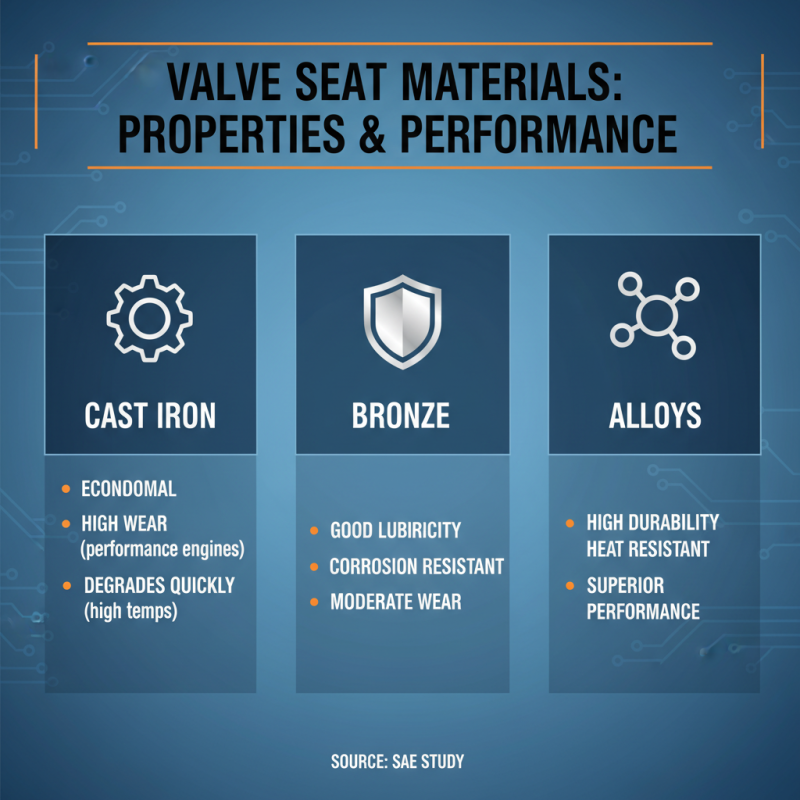
When it comes to engine performance, the choice of valve seat material is crucial. Various types of materials, including cast iron, bronze, and alloys, each have unique properties influencing durability and effectiveness. A study by the Society of Automotive Engineers found that cast iron seats, while economical, often endure higher wear in performance engines. This is because, under high temperatures, they degrade quickly, leading to compromised performance.
Bronze, on the other hand, provides excellent resistance to wear and thermal expansion. The American Society of Mechanical Engineers highlights that bronze valve seats can withstand elevated temperatures better than cast iron, making them a preferred option for high-performance applications. However, they can be pricier and might necessitate precise machining during installation. Such complexities can lead to challenges for mechanics unfamiliar with their properties.
Additionally, modern materials like titanium and cobalt-based alloys show promise for their lightweight and strength. Research from various automotive engineering journals reveals that these high-tech materials can further optimize performance by reducing valve train inertia. However, their high cost and limited availability can pose significant barriers for widespread adoption. As engine technology evolves, the need to balance material properties, cost, and performance remains a critical consideration.
The geometry of valve seats significantly impacts engine efficiency and performance. A study by the Society of Automotive Engineers indicates that optimizing valve seat angles can improve airflow by up to 15%. This enhancement allows for more efficient combustion, leading to enhanced power output.
Moreover, the shape and finish of the valve seat affect durability and sealing. A rough surface can cause erosion and reduce lifespan. Data from automotive performance testing highlights that a well-finished valve seat can extend service life by almost 20%. However, achieving the right balance in geometry can be challenging. Overly aggressive designs may lead to premature wear or increased fuel consumption.
Engine builders must consider various factors when selecting valve seat geometry. They should prioritize designs that offer both optimal airflow and longevity. Often, trial and error is necessary to find the right fit for a specific engine type. Continual adjustments and refinements are part of the process to maximize efficiency.
Selecting the right valve seat is crucial for enhancing engine performance. Temperature and wear resistance are key factors. High-performance engines often face extreme heat and stress. A valve seat that can't withstand these conditions will wear prematurely. Selecting a material with superior thermal properties is essential.
One common choice is stainless steel. It offers good heat resistance but may not hold up under excessive heat over time. Another option is cobalt-chromium alloy, known for excellent wear resistance and durability. However, it can be more expensive. Both materials have their pros and cons, and understanding them is vital.
**Tip:** Always evaluate your engine's specific demands. A racing engine may require different materials than a daily driver.
In addition to material choice, installation plays a vital role. Improper fitting can lead to gaps that allow for overheating. Precision during the valve seat milling process is crucial. Any misalignment can affect valve performance and lifespan.
**Tip:** Regularly inspect your valve seats for wear. Early detection can save significant repair costs later on.
Proper valve seat installation is crucial for optimal engine performance. Incorrect installation can lead to poor sealing, resulting in significant power loss. According to a study by the Society of Automotive Engineers (SAE), improper valve seat alignment can decrease engine efficiency by up to 15%. This highlights the need for precision during installation.
Using proper techniques when fitting valve seats can greatly enhance performance. A misaligned seat can cause uneven wear and overheating. Research indicates that ensuring a proper angle is maintained can improve combustion efficiency. Engineers should prioritize the use of precise tools for installation. Even minor errors can lead to expensive engine repairs.
Another factor to consider is the material used for valve seats. High-quality materials can withstand extreme conditions. However, not all shops adhere to best practices in installation. Documentation indicates that using subpar seating can result in failures, leading to catastrophic engine damage. Regular training on installation techniques can help mitigate these risks. Re-evaluating current practices is essential for longevity in engine performance.
This chart displays the durability ratings of various valve seat materials for optimal engine performance. The higher the rating, the better the material is suited for maintaining engine efficiency and longevity.
In "10 Best Valve Seat Options for Optimal Engine Performance," we explore the critical role of valve seats in enhancing engine efficiency and performance. The article begins by outlining the various types of valve seat materials, emphasizing their distinct properties that influence longevity and functionality. We delve into the significance of valve seat geometry, which can dramatically affect engine efficiency, ensuring optimal air and fuel flow within the combustion chamber.
Additionally, the selection of valve seats based on temperature and wear resistance is discussed, highlighting how these factors can lead to improved engine reliability. Proper installation techniques are crucial for achieving the best results, as any misalignment can hinder performance. Finally, we compare composite versus traditional valve seats, illustrating the performance gains that modern materials can deliver. Understanding these elements will allow engine builders and enthusiasts to make informed decisions regarding valve seat choices, ultimately maximizing engine output.