10 Best Industrial Valve Accessories to Enhance Your Operations?
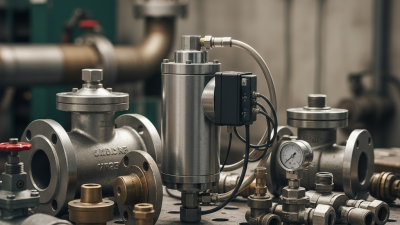
In the world of industrial operations, efficiency and reliability are paramount. Industrial Valve Accessories play a crucial role in enhancing these factors. According to a recent report by MarketsandMarkets, the industrial valve market is projected to reach $80 billion by 2026. This growth underscores the increasing importance of valve accessories in various applications.
Even as industries evolve, many operations still face challenges. Common issues include valve failures and inadequate performance. This is where the right accessories can make a significant difference. For instance, smart actuators and advanced positioners can boost a valve's response time and accuracy. However, many facilities overlook upgrading their accessories, leading to inefficiencies.
Investing in high-quality Industrial Valve Accessories is not just about compliance. It is a strategic move for improved productivity and reduced downtime. The right accessories can mitigate risks associated with valve failures. As the industry expands, understanding these components becomes essential for any operational strategy.
Understanding Industrial Valve Basics: Types and Functions
Industrial valves play a crucial role in various operations, controlling the flow of liquids and gases. Understanding the types and functions helps make better choices. There are different types of valves, such as gate, globe, and ball valves. Each serves a specific purpose, ensuring efficient operations. Gate valves allow or stop flow, while globe valves regulate it. Ball valves provide quick shut-off. Their design influences performance directly.
In addition to the basic functions, industrial valves require accessories for optimal operation. Actuators can automate control, making them vital for large systems. Positioners ensure accuracy in flow control. Filters protect valves from debris, which can lead to failures. Despite these advancements, many operations face challenges.
Maintenance is often overlooked. Neglecting routine checks can result in significant downtime. Operators sometimes underestimate the impact of a single faulty valve. Training staff on valve operation and troubleshooting is essential. Engaging with these basics equips teams to handle unexpected issues better, leading to smoother operations.
10 Best Industrial Valve Accessories to Enhance Your Operations
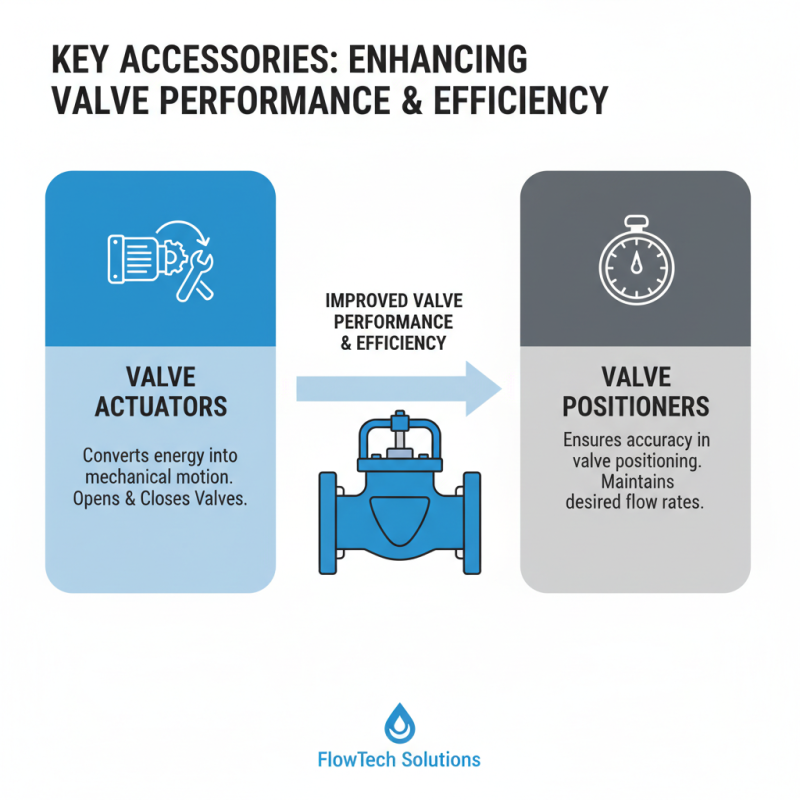
Key Accessories for Enhancing Valve Performance and Efficiency
When considering valve performance, enhancing your operations involves choosing the right accessories. Two key accessories are valve actuators and positioners. Actuators convert energy into mechanical motion, used for opening and closing valves. Positioners ensure accuracy in the valve’s positioning, maintaining the desired flow rates.
Tips: Regularly check actuator functionality. A malfunctioning actuator can lead to inefficiencies. Use positioners that match your system’s specifications for optimal performance.
Another accessory to consider is the valve stem extension. This aids in accessibility when valves are hard to reach. Additionally, insulation jackets help maintain the temperature of hot or cold fluids, preventing energy loss.
Tips: Inspect stem extensions for wear and tear. A worn extension can hinder valve operations. Ensure insulation is tightly fitted, as gaps can lead to significant energy waste.
Selecting the right accessories can greatly improve operational efficiency. However, neglecting maintenance can lead to problems. Regular check-ups and timely replacements are essential to ensure everything runs smoothly. Small decisions often lead to large consequences.
Top 10 Essential Industrial Valve Accessories Explored
Industrial valve accessories play a vital role in optimizing operations. Choosing the right accessories can significantly enhance efficiency and safety in various applications.
A good example is installing valve actuators. These devices automate valve operation, reducing manual labor. However, ensure they are compatible with existing systems. Regular checks are crucial. It’s easy to overlook their maintenance, but neglect can lead to failures.
Another essential accessory is limit switches. These devices provide feedback on valve position, critical for process control. Failing to monitor this can cause operational issues. Always test the switches to validate their response time and reliability.
Remember to consider protective covers. They shield valves from dust and debris, extending their lifespan. Yet, not all covers fit perfectly. Be prepared to modify them if necessary. Proper installation is key to achieving maximum protection. Keep in mind that overlooking such details can lead to unforeseen downtime.
Maintenance Best Practices for Valve Accessories
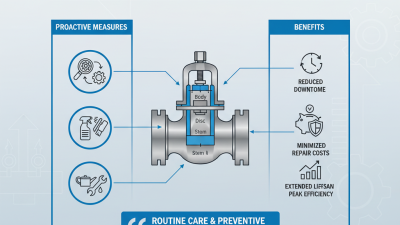
Maintenance of valve accessories is crucial for operational efficiency. A study shows that regular maintenance can increase equipment lifespan by up to 50%. This statistic emphasizes how proactive measures can significantly affect overall costs.
Proper inspection routines are essential. Check seals and gaskets frequently. Worn components can lead to leaks or failures. Data suggests that 30% of valve failures stem from inadequate maintenance of accessories. This highlights the importance of addressing minor issues before they escalate.
Training staff on maintenance protocols is vital. They should know how to identify wear signs. Simple actions, such as cleaning and lubricating, can prevent substantial problems. Research indicates that well-maintained accessories can enhance flow control by 20%. Investing in employee training pays off in the long run.
Future Trends in Industrial Valve Accessories and Technology
The future of industrial valve accessories is poised for significant transformation. One prominent trend is the integration of smart technology. As the market evolves, the demand for automation and remote monitoring continues to rise. According to a recent report, the global smart valve market is projected to grow by over 25% in the next five years. This shift towards smart accessories promises improved operational efficiency and reduced downtime.
Another trend is sustainability. Many industries are now focusing on reducing their carbon footprint. Innovative accessories that enhance energy efficiency are gaining traction. A study indicates that companies utilizing energy-efficient valve accessories can cut their energy costs by up to 30%. However, this transition requires investment and awareness of new technologies.
Tip: Regular maintenance of valve accessories is essential. Neglecting this can lead to unexpected failures and increased costs. Evaluate your inventory regularly to avoid operational hiccups.
Emerging technologies like IoT and AI will further refine these accessories. However, the learning curve associated with these advancements can be steep. Organizations must be ready to invest time and resources to ensure seamless adoption. Balancing innovation with practical implementation will be crucial for success.