2026 Best Ball Valve Body Types for Optimal Performance and Durability?
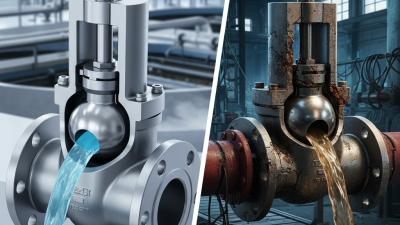
The selection of an optimal Ball Valve Body is crucial for achieving superior performance and lasting durability. A recent industry report from Valves and Controls Magazine highlights that over 45% of valve failures stem from inadequate body materials. This statistic underlines the importance of choosing the right type of ball valve body to prevent costly downtimes.
Renowned industry expert Dr. Emily Carter, a leading figure in valve technology, once stated, "The integrity of a ball valve body directly influences system reliability." Her insight emphasizes that without a robust design and material choice, even the most advanced valve technology can fall short.
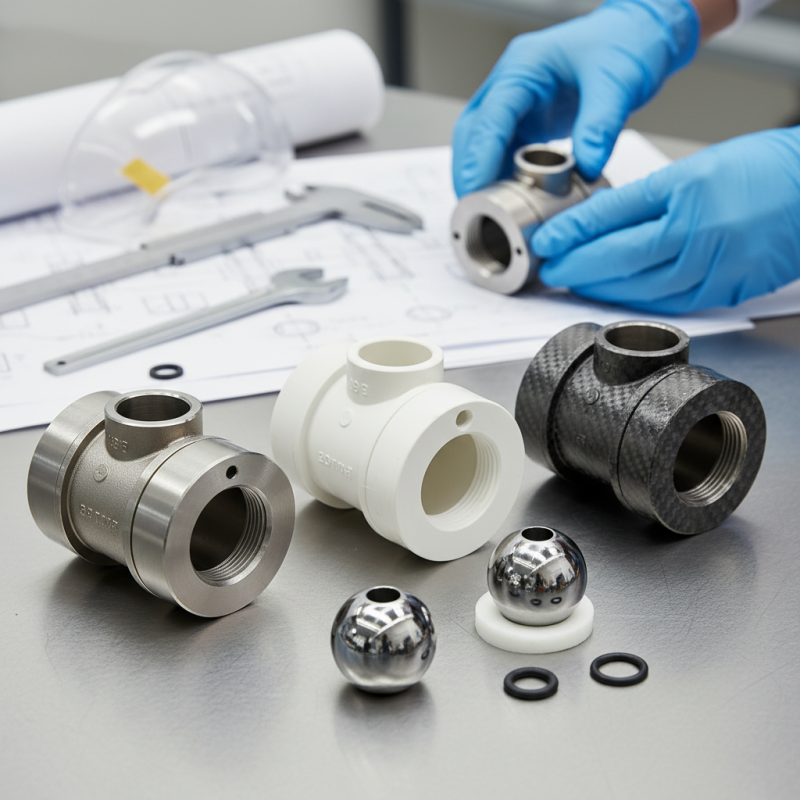
Various body types, such as stainless steel and plastic, offer unique advantages and challenges. While stainless steel provides strength and corrosion resistance, plastic variants excel in weight and cost-effectiveness. Choosing the right ball valve body type requires careful consideration of specific operational conditions. Each option has its trade-offs, necessitating reflection on performance needs and long-term reliability.
Types of Ball Valve Body Materials and Their Impact on Performance
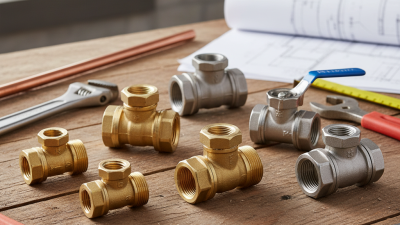
The choice of ball valve body materials significantly influences their performance. Common materials include stainless steel, brass, and PVC. Stainless steel offers durability and resistance to corrosion. It is ideal for harsh environments. Brass, while less resistant, is often more affordable and suitable for less demanding applications.
A report from the Valve Manufacturers Association indicates that 60% of valve failure is due to material degradation. This emphasizes the need for proper material selection. For instance, PVC valves can be vulnerable to heat and chemicals. In comparison, high-quality stainless steel can withstand more extreme conditions.
A recent study revealed that improper material use can lead to leaks. This not only affects efficiency but also leads to costly repairs. Evaluating material resistance to specific chemicals and temperatures is crucial. Ultimately, choosing the right body material can greatly enhance both longevity and reliability.
2026 Best Ball Valve Body Types for Optimal Performance and Durability
This chart illustrates the performance ratings of various ball valve body materials based on their durability and optimal performance characteristics. The materials include Stainless Steel, Brass, PVC, and Carbon Steel, evaluated over parameters like pressure resistance, corrosion resistance, and temperature tolerance.
Key Features of Various Ball Valve Designs for Enhanced Durability
When selecting a ball valve design, durability is key. Materials play a vital role in the overall lifespan of the valve. Stainless steel and brass are popular choices. They resist corrosion and wear well over time. Yet, not all stainless steels are equal. Some have better resistance properties than others. Users must research the best options for their specific needs.
The valve’s seat material also impacts performance. PTFE is common for its chemical resistance. However, it might not hold up under extreme temperatures. In contrast, metals can withstand higher heat but may corrode faster. This choice often leads to a trade-off between chemical and thermal resistance.
Another feature is the valve’s design type. Floating ball valves tend to be more forgiving with misalignments. However, trunnion-mounted options provide better sealing under pressure. Users should test different designs to find the perfect fit. This situation highlights the importance of understanding unique system requirements. What works in one scenario may fail in another, demanding thorough reflection and evaluation.
2026 Best Ball Valve Body Types for Optimal Performance and Durability
| Ball Valve Type |
Material |
Temperature Range (°C) |
Pressure Rating (PSI) |
Key Features |
| Full Port |
Stainless Steel |
-20 to 200 |
6000 |
Minimal flow restriction, high durability |
| Trimmed Ball |
Carbon Steel |
-30 to 150 |
4500 |
Compact design, effective for smaller systems |
| V-Port Ball |
Plastic (PVC) |
-10 to 60 |
150 |
Precise flow control, lightweight |
| Trunnion Mounted |
Alloy Steel |
-29 to 300 |
3000 |
High pressure, reduced torque |
| Double Block and Bleed |
Stainless Steel |
-20 to 150 |
6000 |
Enhanced safety, leak prevention |
Comparative Analysis of Ball Valve Body Shapes for Fluid Control
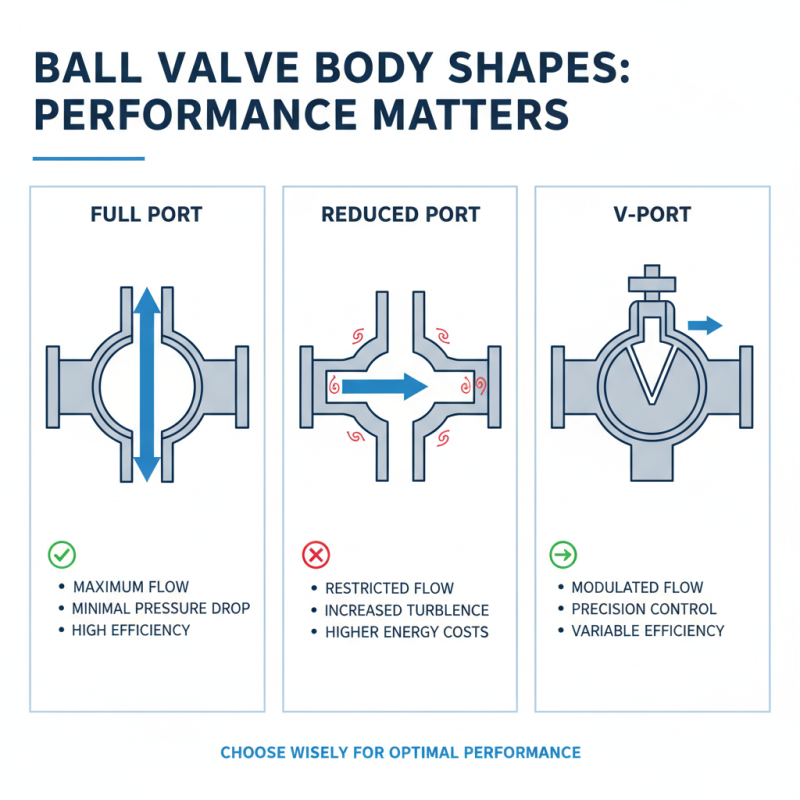
When choosing a ball valve, the body shape plays a crucial role in performance. The common shapes include full port, reduced port, and V-port. Full port valves allow maximum flow, minimizing pressure drop. Reduced port valves restrict flow, which can lead to turbulence. This choice affects efficiency and can increase energy costs.
Another factor is how these shapes handle different fluids. For example, viscous fluids require specific designs to reduce cavitation risks. The V-port shape is versatile. It provides good control over flow rates, but may not suit high-pressure applications. Engineers must weigh these aspects carefully.
The material is equally important. Stainless steel is common due to its durability, but it may corrode with certain fluids. Plastic options can reduce cost but may not withstand high temperatures. Each design has its pros and cons. Understanding them is key to achieving optimal performance.
Maintenance Considerations for Different Ball Valve Body Types
When considering ball valve body types, maintenance variations are crucial. Different materials such as stainless steel, brass, and PVC each have their own upkeep needs. For instance, stainless steel valves resist corrosion better, allowing for extended life in specific environments. However, their maintenance may be more demanding, especially regarding seal integrity.
Brass ball valves, on the other hand, are less expensive but can corrode in certain conditions. Regular inspections are needed to ensure no deterioration occurs. Reports indicate that improper maintenance can lead to significant operational failures, costing industries up to 20% in repairs annually. PVC valves require less maintenance, but they are less durable in extreme temperatures. They can become brittle over time.
In 2022, about 30% of ball valve failures were attributed to inadequate maintenance. The data emphasizes the importance of understanding each body type's specific needs. Regular cleaning and function checks are essential for all types. Despite their differences, a one-size-fits-all maintenance strategy often falls short. Each valve type requires a tailored approach for optimal performance.
Recent Innovations in Ball Valve Body Construction and Functionality
Recent innovations in ball valve body construction focus on enhancing performance and durability. Materials have been evolving, with advanced composites and alloys gaining traction. These materials not only resist corrosion but can also withstand high pressures and temperatures. The use of 3D printing technology further allows for intricate designs. This approach helps in minimizing weight while maintaining strength.
Design flexibility is crucial in modern valves. Companies are exploring modular designs, enabling easier repairs and replacements. The shift towards automation is also evident. Smart valves can monitor their own performance. They can send data directly to operators about potential failures. However, these technologies often come with their own challenges, such as integration with existing systems.
Despite these advancements, there are still questions to address. How sustainable are these new materials in the long run? Do they adapt well to all environments? It's essential to consider long-term effects on both performance and the environment. As innovations continue, ongoing assessment will help shape future developments in ball valve body design.