Engineered to satisfy stringent ASME B16.34 pressure and temperature ratings for heavy-duty energy transmission systems.
Standardizing the Integrity of Flanged, Threaded, and Welding End Industrial Valves
The standard ASME B16.34 serves as the fundamental baseline for valves used in pressurized pipeline infrastructures worldwide. Covering flanged, threaded, and welding-end valves, it governs minimum wall thickness, pressure-temperature ratings, non-destructive examination (NDE) protocols, and body-to-bonnet bolting requirements.
In high-pressure midstream gathering networks, cross-country transmission corridors, and offshore gas processing platforms, the structural integrity of the valve body is vital. As the primary pressure boundary, any material flaw, wall thinning below compliance thresholds, or structural porosity poses severe risks of containment loss, hazardous fugitive emissions, and unplanned pipeline downtime.
Navigating the shift toward sour service resistance, digital twin monitoring, and decarbonization infrastructures.
As conventional sweet crude reserves decline, extraction increasingly shifts toward deep sour wells with high concentrations of $H_2S$ and $CO_2$. ASME B16.34 valve bodies are paired with NACE compliance, requiring restricted carbon equivalents, controlled hardness testing, and specialized corrosion-resistant alloys (CRAs) to eliminate Sulfide Stress Cracking (SSC).
Energy transition initiatives are driving the transport of hydrogen blends and supercritical $CO_2$ through upgraded infrastructure. Valve bodies built to ASME B16.34 demand enhanced density, zero-micro-porosity metallurgy, and ultra-tight micro-finished sealing surfaces to prevent hydrogen embrittlement and catastrophic fugitive release.
While cast bodies remain common for large-diameter low-pressure utility lines, forged steel valve bodies (e.g., ASTM A105, LF2, F316) dominate high-pressure pipeline manifolds. High-integrity closed-die and multi-directional forgings offer continuous grain flow, superior impact toughness at sub-zero temperatures, and structural uniformity.
Where precision metallurgy and compliance ensure uninterrupted energy transmission
Topsides production manifolds and subsea tie-backs face corrosive marine atmospheres and cyclic hydrostatic loads. Valve bodies produced in Super Duplex (F53/F55), Inconel 625/718 cladding, or 17-4PH offer resilience against pitting, crevice corrosion, and erosion from high-velocity multiphase flows.
Liquefied natural gas operates at cryogenic temperatures down to -196°C. ASME B16.34 valve bodies constructed with extended bonnets and austenitic stainless steels (304L, 316L) undergo Charpy V-notch impact validation to eliminate brittle failure risks across the pipeline interface.
Mainline gas transmission stations require rapid throttling and emergency isolation. Valve bodies must absorb continuous mechanical vibration, pulsation stresses, and thermal fluctuations without micro-cracking across bolt hole patterns and weld neck transitions.
Engineered material selection aligned with ASTM and ASME standards
Selecting appropriate raw materials ensures pipeline components operate reliably under cyclic pressure and environmental exposure. ASME B16.34 groups materials by chemical compatibility and physical strengths, dictating wall thickness scaling and heat treatment requirements:
Quality is the Boss, Quality is Our Salary
Established in 2005, Sichuan Yining Machinery Equipment Co., Ltd. specializes in the production, precision machining, and custom manufacturing of high-performance industrial valves and critical valve accessories. Over the years, we have served the global energy and process industries with durable fluid control solutions.
Our facility operates under the ISO9001 quality management system and holds CE certification. We follow international standards across our production cycles—from raw material forging inspection and precision CNC milling to finished component physical and chemical testing.
With an experienced technical and management team, we focus on conceptual, technological, and operational innovation to deliver dependable flow control products that fulfill customer specifications.
 +86-15208308717
We machine a wide range of carbon steels, stainless steels, alloy steels, and specialty materials such as 410, 420, F304, F316, LF2, A105, 17-4PH, Monel 400, and XM-19.
Our workshop is equipped with multi-axis CNC machines, machining centers, forging presses, cold forming units, and comprehensive metallurgical testing facilities. We manufacture custom components to customer drawings, meeting GB, ANSI, JIS, DIN, and BS standards.
Operating under rigorous ISO 9001 and CE certifications to ensure full compliance with international pipeline standards.
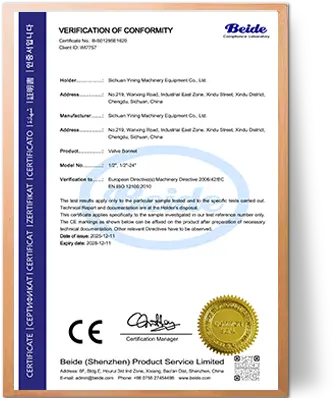
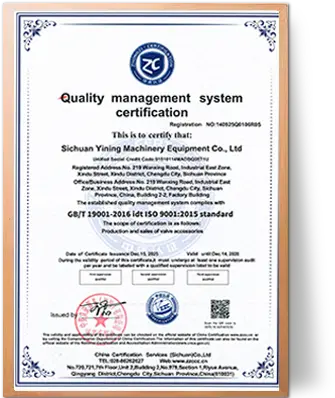
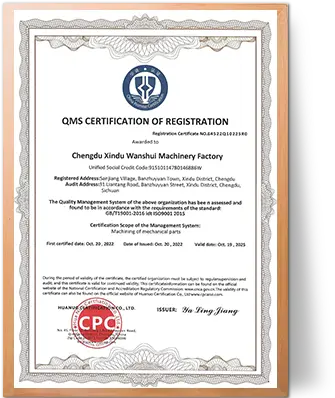
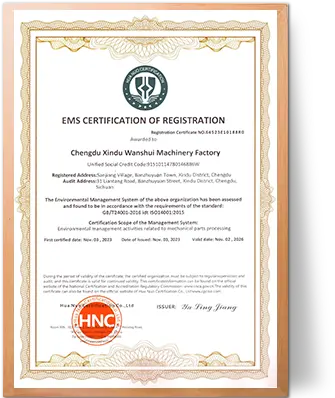


Comprehensive manufacturing capacity, OEM customization, strict quality control, and timely delivery support.
In addition to comprehensive product supply, our service level is designed around customer needs. With extensive industry experience, we handle complex OEM customization requirements with fast response times, reliable lead schedules, and dedicated after-sales support.
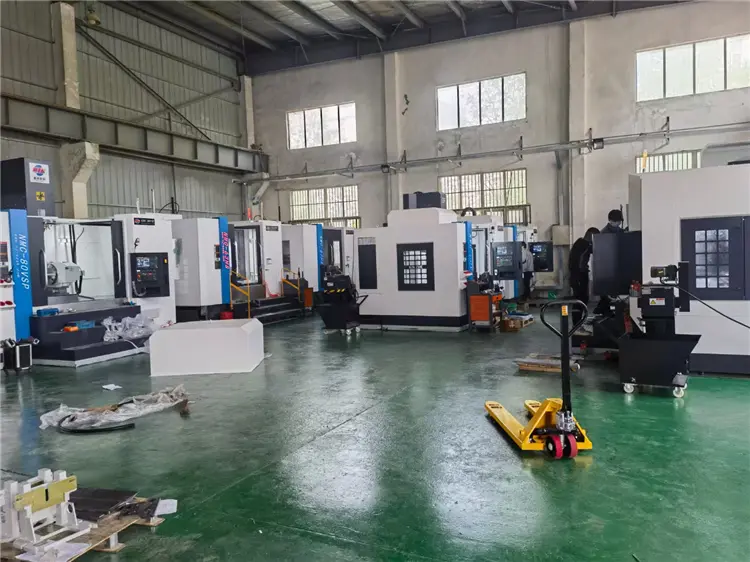 Factory Building Workshop
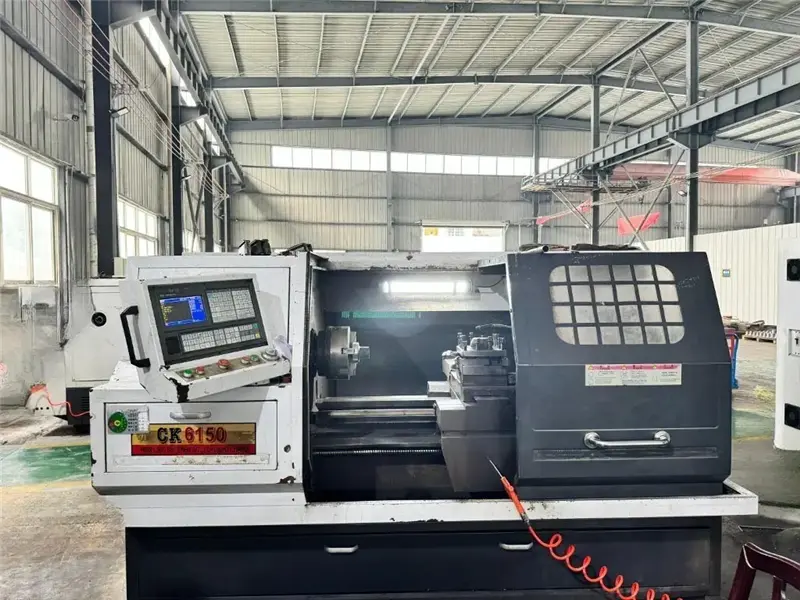 Factory Building Workshop
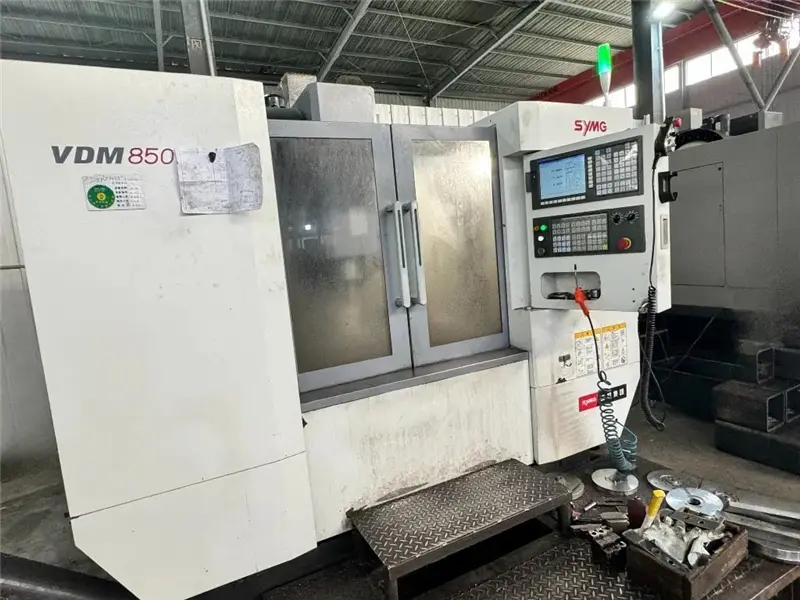 Factory Building Workshop
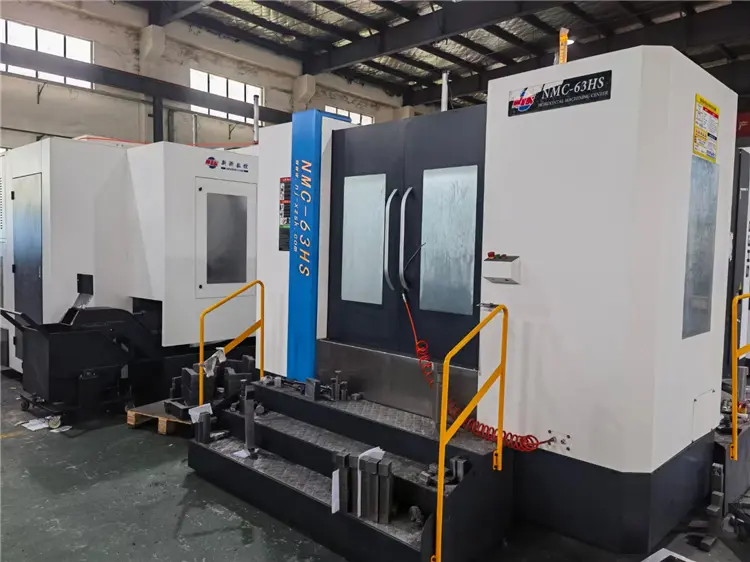 Factory Building Workshop
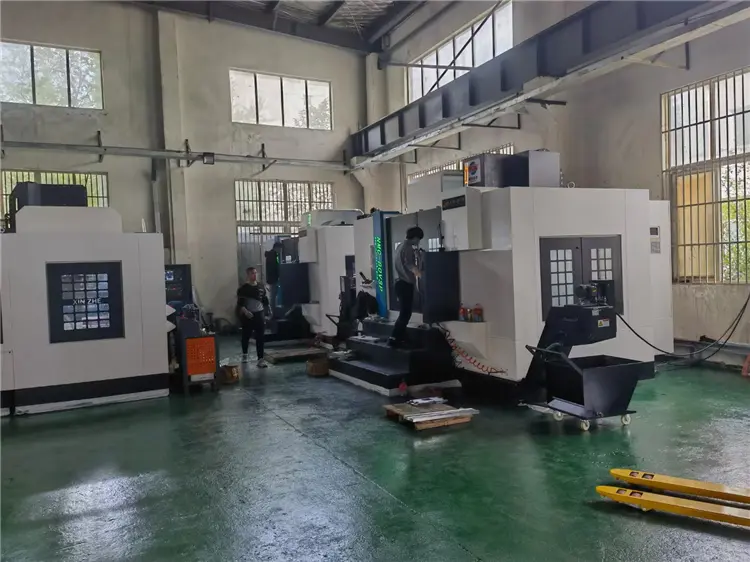 Factory Building Workshop
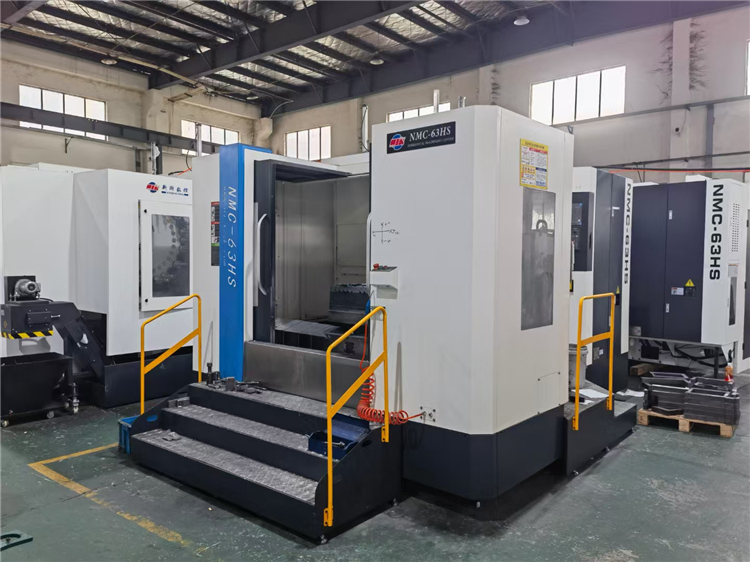 Factory Building Workshop
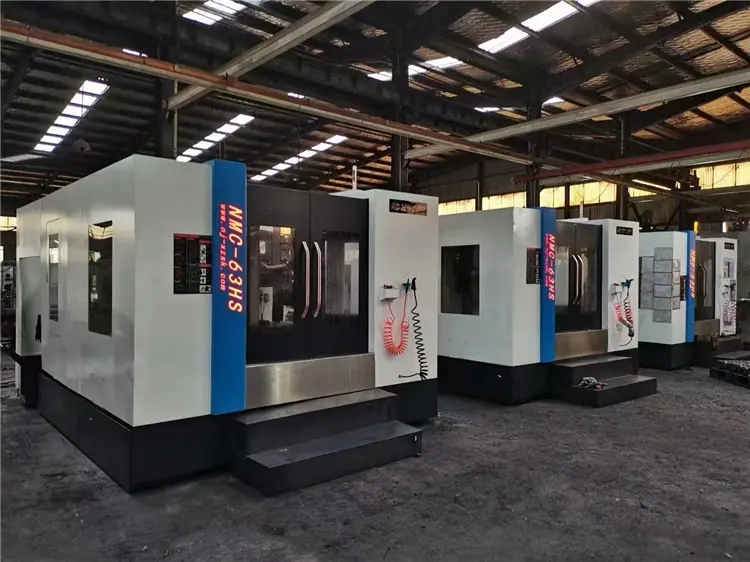 Factory Building Workshop
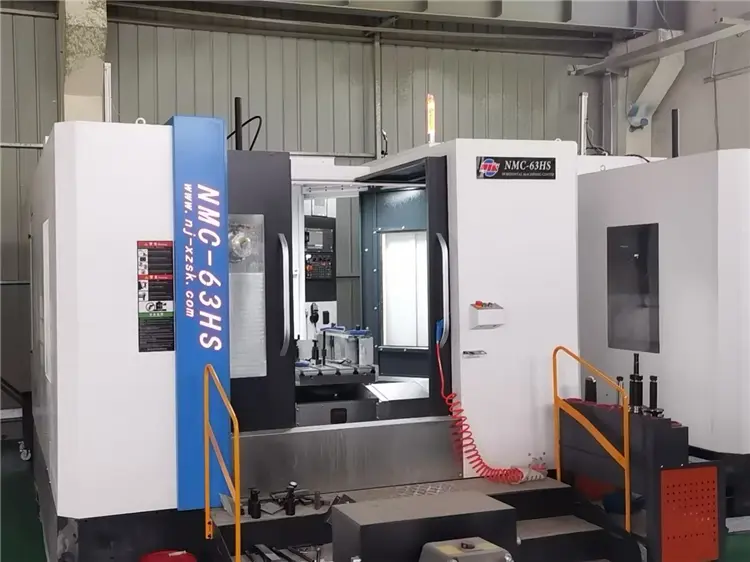 Factory Building Workshop
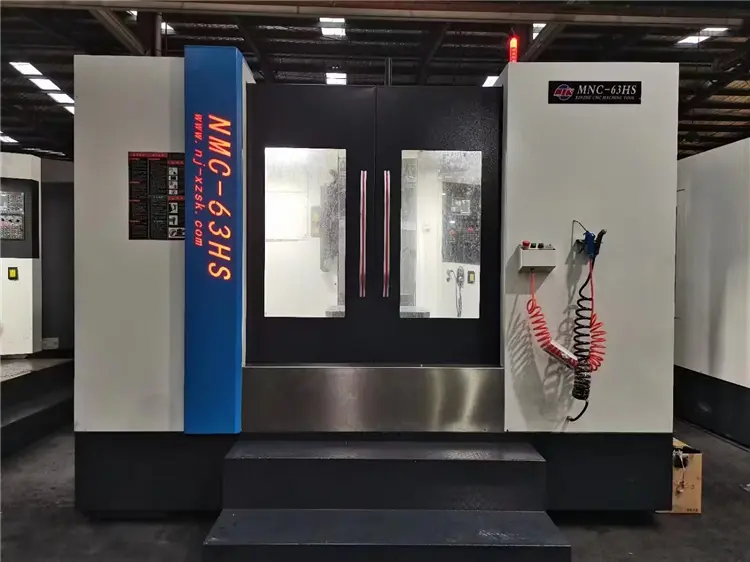 Factory Building Workshop
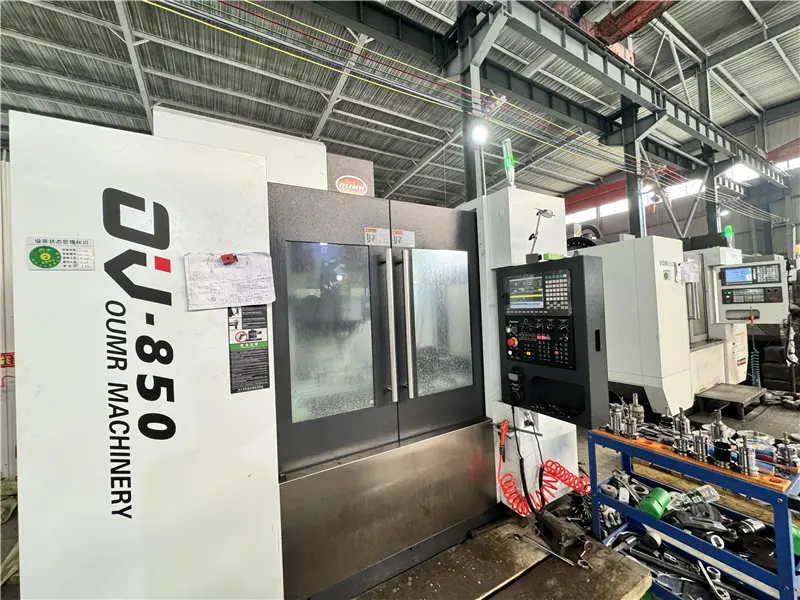 Factory Building Workshop
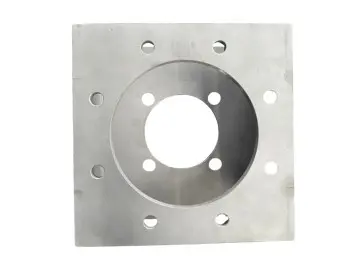
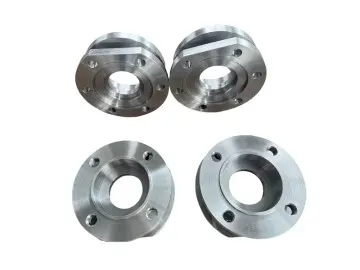
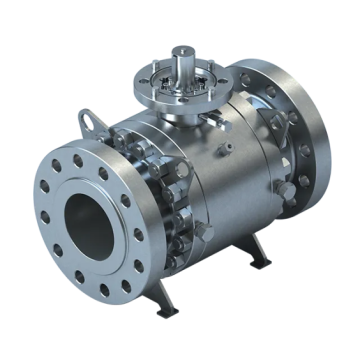
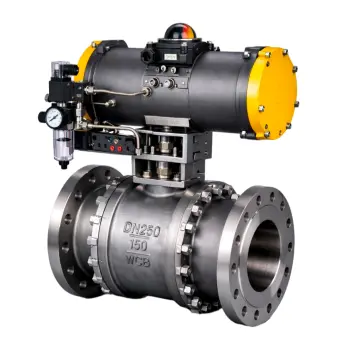
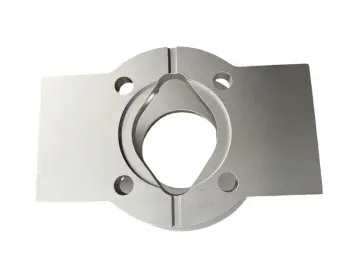
Full spectrum of ASME B16.34 pipeline hardware, valve bodies, brackets, bonnets, and actuation couplings.
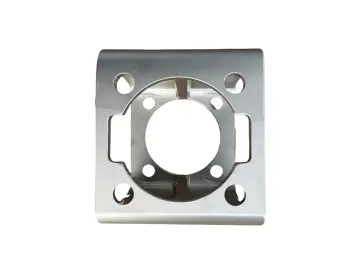
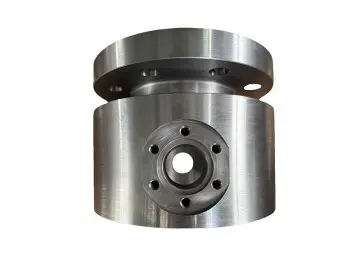

Sichuan Yining Machinery Equipment Co., Ltd. is committed to becoming a reliable partner to valve companies and pipeline operators worldwide. Connect with our engineering specialists for material certifications, pressure calculations, and custom drawing reviews.